People Perish at Alligator Alcatraz | Opinion
The Rise of Alligator Alcatraz and the Profit-Driven Immigration Detention System
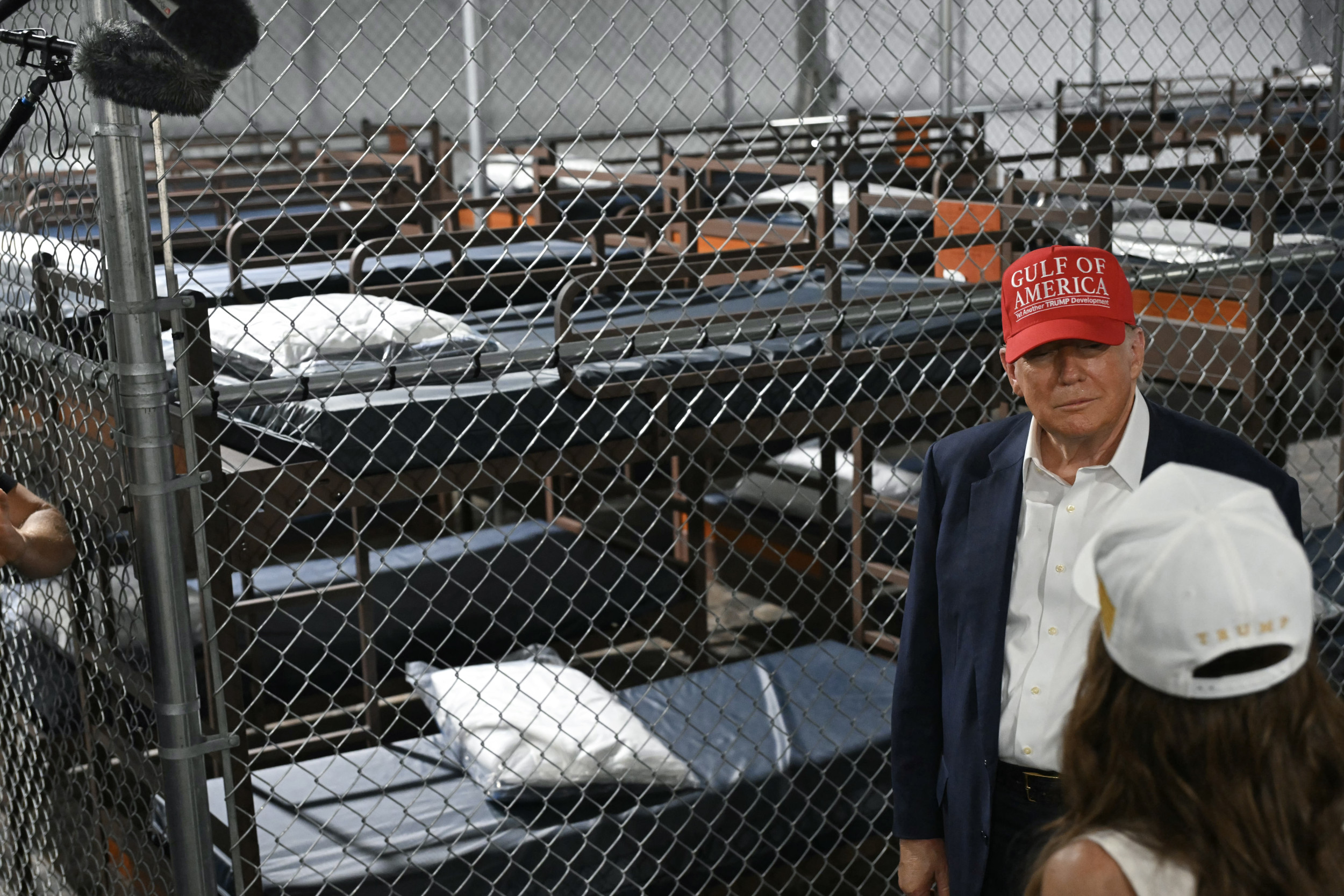
A new immigration detention center called Alligator Alcatraz has opened in a remote area of Florida’s Everglades, marking a significant step in the state’s approach to immigration enforcement. This facility, which began operations in July, is part of Governor Ron DeSantis’ broader strategy to support President Donald Trump’s mass deportation initiatives. With a capacity of 1,000 beds—eventually expanding to 4,000—the center costs $245 per bed per day, totaling an estimated $450 million annually.
Despite its official purpose of managing immigration detainees, reports from those inside paint a grim picture. Detainees who have managed to communicate with family or legal representatives describe conditions that are deeply concerning. These include inadequate and contaminated water, spoiled and insufficient food, unmet medical needs, and swarms of mosquitoes. The tents housing the detainees are unbearably hot and leak during rainstorms, while overcrowding exacerbates the already dire situation. Facility staff have been accused of threatening and belittling detainees, further compounding the trauma.
Experts in immigration detention emphasize that such facilities often operate under a profit-driven model. In their book Immigration Detention Inc: The Big Business of Locking Up Migrants, Nancy Hiemstra and Deirdre Conlon reveal how various entities benefit from the system. Companies, local governments, and communities all become entangled in the economic networks that revolve around detaining migrants. The less care provided to detainees, the greater the profits for these actors.
This business model has fueled the rapid expansion of the U.S. immigration detention system over the past three decades, regardless of which political party holds power. Private prison corporations like GEO Group and Core Civic have long lobbied for stricter immigration policies to ensure a steady flow of detainees. These companies use political donations, strategic hiring, and lobbying efforts to maintain favorable conditions for their operations.
With Trump’s push for mass deportations, the situation has intensified. GEO Group Executive Chairman George Zoley described the opportunity as “unprecedented” following Trump’s election. Beyond prison corporations, other businesses also profit from the system. For example, Aramark and Wellpath provide food and medical care, respectively, making millions from detention centers. In-facility stores operated by companies like Keefe Group charge exorbitant prices for basic necessities, including hygiene products. Additional profits come from companies involved in communication, transportation, maintenance, security, technology, and equipment.
Local governments also benefit from detention. County jails often see immigration detention as a way to offset budget shortfalls. Under the Trump administration, this practice has reached new levels, turning detention into a speculative business. By building centers and enacting laws that increase the number of people eligible for detention, officials can secure funding from ICE.
Policymakers, too, are tied to the detention industry. Many receive campaign contributions from companies involved in immigration enforcement. For instance, Marco Rubio, the Secretary of State, received political donations from GEO Group for years. Pam Bondi, the former Attorney General, and Tom Homan, the so-called "border czar," were also on GEO Group’s payroll. Even Stephen Miller, a key architect of Trump’s deportation policy, has financial ties to Palantir Technologies, a company that provides surveillance tools to the government.
The human cost of this system is immense. People have been dying in ICE custody for decades, but the rate has risen sharply since Trump took office. At least 11 individuals have died in ICE detention since 2017. Despite legal requirements for facilities to meet national detention standards, many continue to operate with severe deficiencies. For example, at the Krome Detention Center in Florida, detainees used their bodies to spell "SOS" in a desperate plea for help. Yet, ICE claimed the facility was compliant with federal standards.
The Trump administration has further weakened oversight by cutting funding and staffing for agencies responsible for protecting detainees' rights. Access to facilities has also been restricted, limiting the ability of elected officials to monitor conditions.
Alligator Alcatraz exemplifies this troubling trend. When Democratic congresspeople visited the facility and raised concerns, DHS Secretary Kristi Noem dismissed them, claiming the center met the highest federal standards. However, this rhetoric is well-established within the system.
With the proposed “Big Beautiful Bill,” an additional $45 billion will be allocated to expand the detention system, further entrenching the cycle of cruelty and exploitation. Without accountability and the elimination of profit incentives, more companies and communities will continue to rely on locking up, starving, and harming individuals.
Nancy Hiemstra and Deirdre Conlon, co-authors of Immigration Detention Inc: The Big Business of Locking Up Migrants, highlight the urgent need for reform. Their research underscores the deep connections between immigration enforcement and the profit motives that drive it.

Post a Comment for "People Perish at Alligator Alcatraz | Opinion"
Post a Comment