People More Emotionally Attached to Cars Than Ever
Overview of the 2025 J.D. Power APEAL Study
For the first time in nearly a decade, each of the 10 categories tracked in the J.D. Power U.S. Automotive Performance, Execution and Layout (APEAL) Study showed improved scores compared to the previous year. This marks a significant milestone in the automotive industry, highlighting the ongoing efforts by manufacturers to enhance customer satisfaction.
The overall satisfaction score for 2025 reached 851 on a 1,000-point scale. This represents an increase of 4 index points from 2024, making it the highest level of satisfaction recorded since the study was redesigned in 2020. The results reflect a growing trend of improvement across various aspects of vehicle ownership.
Top Performing Premium Brands
In the premium category, several brands stood out with impressive scores:
- Porsche – 890
- Land Rover – 886
- BMW – 881
- Jaguar – 877
- Lincoln – 870
- Mercedes-Benz – 870
- Genesis – 869
- Cadillac – 868
- Lexus – 864
- Volvo – 859
These brands demonstrated strong emotional attachment and excitement among their owners, which is the primary focus of the APEAL Study. This helps explain why brands like Land Rover and Jaguar, which may not always rank highly in reliability metrics, perform well in this particular study.
Two notable brands that did not make the official list are Rivian and Tesla, with scores of 896 and 892 respectively. Although these American electric vehicle brands would have ranked higher than Porsche, they do not meet all of J.D. Power's criteria, resulting in their scores being considered unofficial.
Lower-Ranked Premium Brands
Audi came in as the lowest-ranked premium brand with a score of 850, while Acura narrowly surpassed it with a score of 851. These results highlight the varying levels of satisfaction among different premium brands.
Mass Market Brands Performance
In the mass market category, the following brands achieved notable scores:
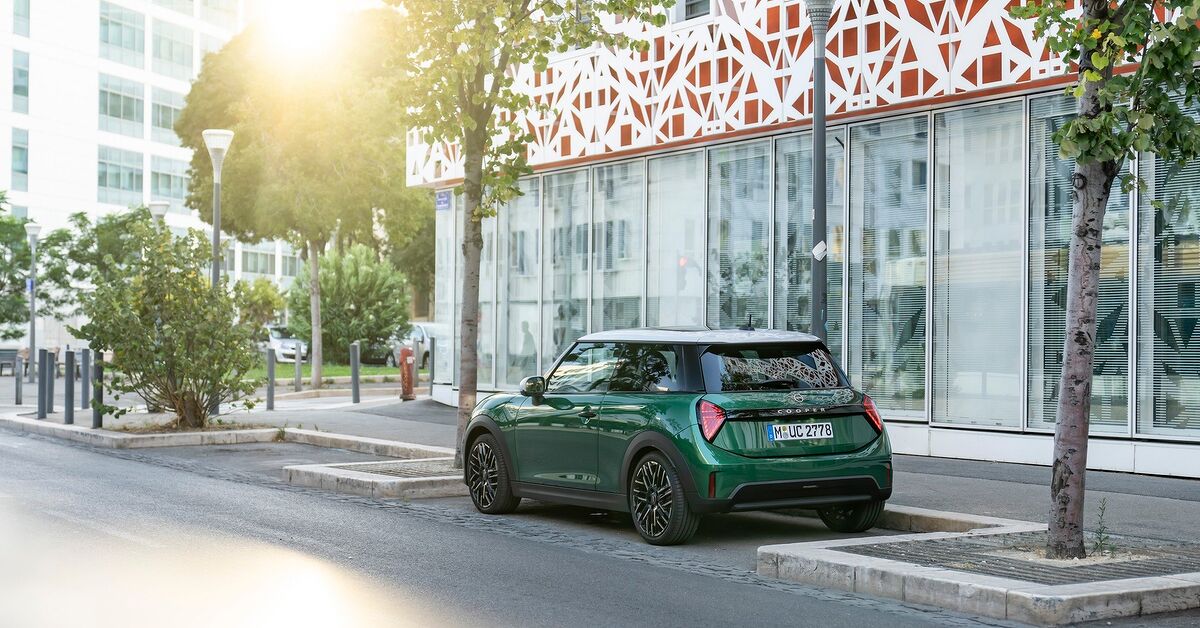
- Mini – 876
- Dodge – 868
- GMC – 852
- Hyundai – 850
- Ram – 847
- Kia – 845
- Volkswagen – 845
- Chevrolet – 844
- Mitsubishi – 844
- Buick – 840
At the lower end of the spectrum, Chrysler scored the lowest with 813 points, followed by Mazda with 828 and Subaru with 832. While these scores are better than Chrysler’s, they still place these brands in the bottom three. Honda and Toyota, known for their high reliability, both fell below the mass market average with scores of 833 and 839 respectively.
Industry Trends and Challenges
Premium brands generally outperform mass market brands, with an average score of 881 compared to 840 for mass market brands. Despite this gap, all categories saw improvements in 2025 compared to the previous year.
Frank Hanley, senior director of auto benchmarking at J.D. Power, noted that manufacturers have made significant advancements in redefining the vehicle ownership experience. However, he also pointed out that new model owners reported lower satisfaction with vehicle setup and startup, as well as infotainment systems, compared to those with carryover models. This highlights the ongoing challenge of managing increasing technology and menu complexity.
Conclusion
The 2025 J.D. Power APEAL Study underscores the progress made by automakers in enhancing customer satisfaction. While some brands continue to lead in performance, others face challenges in adapting to evolving consumer expectations. As the automotive industry continues to innovate, the balance between technological advancement and user experience will remain a critical focus for manufacturers.

Post a Comment for "People More Emotionally Attached to Cars Than Ever"
Post a Comment