Pentagon Says Leaked Signal Chats About Hegseth Originated From Secret Email
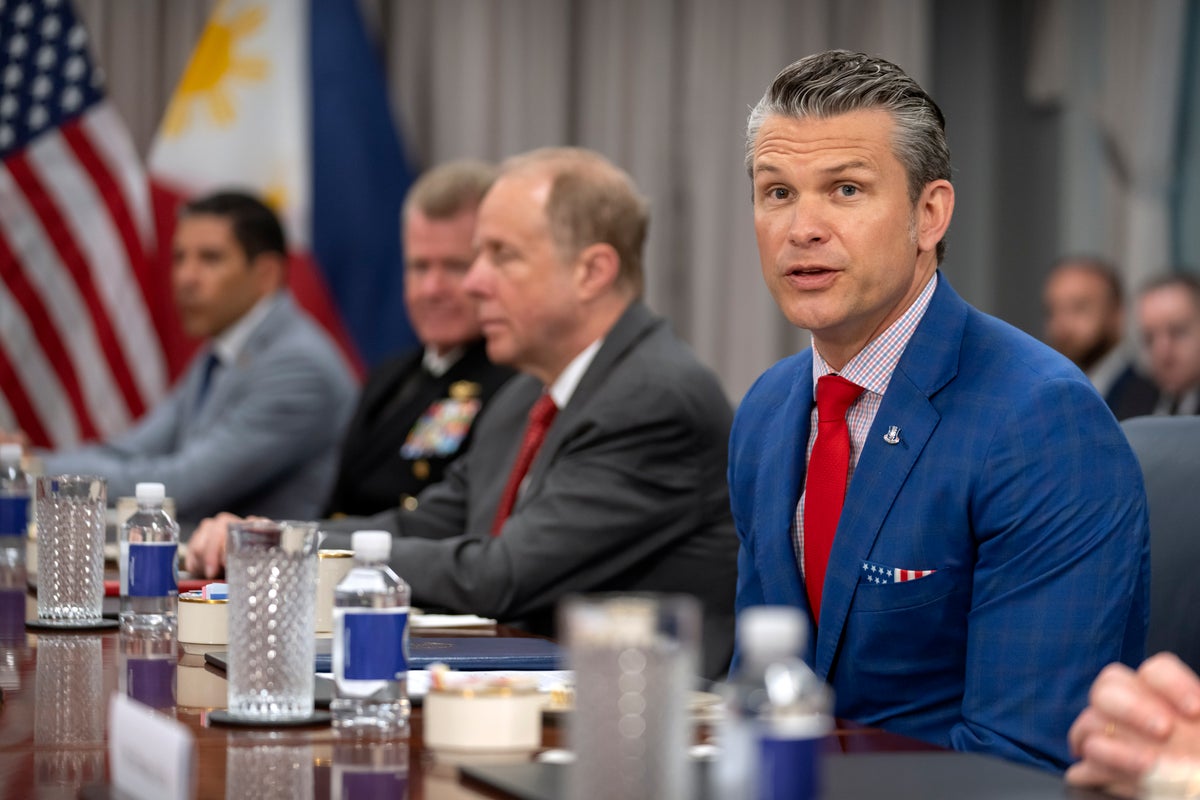
The Signalgate Controversy: A Security Breach or a Misunderstanding?
A recent controversy has emerged involving the U.S. Department of Defense and the use of the encrypted messaging app Signal to share sensitive information. According to reports, a classified email labeled “SECRET” was sent via Signal to senior officials and a journalist. This message also carried the designation “NOFORN,” which means it was intended for U.S. personnel only and not to be shared with foreign nationals. The incident has raised serious concerns about the handling of classified information and is now being referred to as “Signalgate” in the media.
The details surrounding the leak came to light through conversations with individuals who are familiar with the matter, as reported by The Washington Post. The incident reportedly occurred in March of this year, and it has been criticized by some as a significant security breach. The individual accused of sharing the information is Defense Secretary Pete Hegseth, who is alleged to have provided details about imminent U.S. military operations in Yemen. These discussions took place in a group chat that included high-ranking officials such as Vice President JD Vance, Secretary of State Marco Rubio, and even the editor-in-chief of The Atlantic, Jeffrey Goldberg.
Goldberg was mistakenly added to the conversation by National Security Advisor Mike Waltz, who later resigned from his position. The allegations suggest that the information shared by Hegseth originated from a file marked “SECRET/NOFORN.” This contradicts the stance taken by the Trump administration, which claimed that no classified information was disclosed during the incident.
Ongoing Investigations and Mixed Reactions
The Pentagon’s Office of the Inspector General is currently investigating the incident at the request of both Republican and Democratic members of the Senate Armed Services Committee. According to The Washington Post, the strike plans were shared in a classified email sent to more than a dozen defense officials by General Michael Kurilla, the Commander of the United States Central Command. Kurilla is responsible for overseeing U.S. military operations in the Middle East.
The email was reportedly sent through a secure system known as the Secret Internet Protocol Router Network (SIPRNet), as required by government regulations. However, The Independent has not independently verified the reporting from The Washington Post.
In response to the growing scrutiny, the Pentagon released a statement through its chief spokesperson, Sean Parnell. He dismissed the claims as “so old and worn out, it's starting to resemble Joe Biden's mental state.” Parnell reiterated that no classified information was shared via Signal, emphasizing that no one was texting war plans. He also highlighted the success of recent military operations, including Operation Rough Rider and Operation Midnight Hammer, as evidence of strong operational security.
White House Deputy Press Secretary Anna Kelly echoed these sentiments, stating that the information related to the mission was not classified and that the Houthis had agreed to a ceasefire. She also criticized The Washington Post for publishing unverified articles that she claimed were aimed at undermining a successful military operation.
Responses and Silence from Key Figures
At a House Armed Services Committee hearing in June, Hegseth did not directly address whether the information he shared came from a classified system. Instead, he stated that classifications of information from ongoing operations would not be disclosed in public forums. His comments did little to quell the growing concerns surrounding the incident.
As the investigation continues, the situation highlights the challenges of maintaining security in an era where digital communication plays a central role in military and political operations. Whether the leak was intentional or accidental remains unclear, but the implications for national security are significant.
With the debate ongoing, the public and lawmakers alike are watching closely to see how the Pentagon and White House will respond to the allegations and what steps will be taken to prevent similar incidents in the future.

Post a Comment for "Pentagon Says Leaked Signal Chats About Hegseth Originated From Secret Email"
Post a Comment