Paolo Sorrentino on Maradona's Legacy and His No-Violence Rule: "I Don't Like Excessive Suffering" – Sarajevo
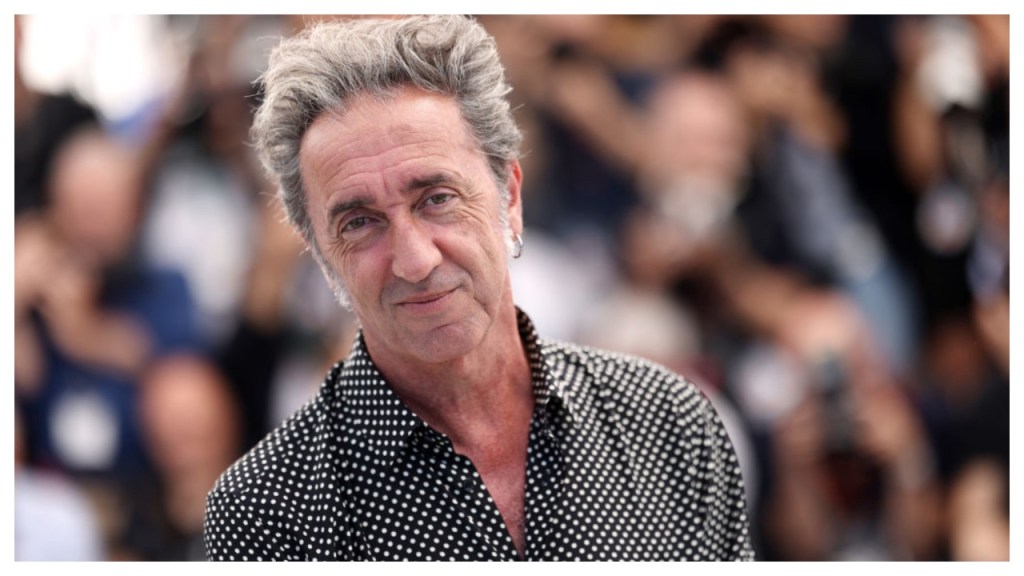
A Conversation with Paolo Sorrentino at the Sarajevo Film Festival
As the world eagerly awaits the Venice premiere of his latest film, La Grazia, Paolo Sorrentino made a stop at the Sarajevo Film Festival. On Sunday, the acclaimed Italian director engaged in an in-depth conversation with Serbian filmmaker Ognjen Glavonić at the Bosnian Culture Center. The event drew a large audience, who were captivated by Sorrentino's reflections on his career, influences, and the transformative power of cinema.
Sorrentino shared his deep admiration for Diego Maradona, highlighting how the Argentine soccer legend's arrival in Naples in 1984 had a profound impact on him. At just 14 years old, he recalls the moment as a revelation. "When I was 14 and Maradona arrived in Naples, for the first time I understood what a show was," he said. "Maradona told us – told me, told the Napoiltan people – what is a big, unbelievable show. And I found out the same thing through cinema – the opportunity to put on a big show."
This week, Sorrentino will be honored with the Honorary Heart of Sarajevo Award for his contributions to cinema. He will also present a retrospective of his films during the festival. When asked about his creative process, Sorrentino explained that inspiration often strikes unexpectedly. "I don't love the idea that I have to do new things. I stay at home without doing anything and then suddenly something comes up in my mind that becomes an obsession and then I say, ‘OK, let's do a movie about this obsession.’"
The director was also questioned about the role of violence in films. While he admitted to appreciating it in some directors' work, he noted that he finds it "very tiring to shoot violent scenes – mostly I'm too lazy." He added, "Another reason I don't put violence in is I don't like when a character suffers too much. I like more Disney movies where everything is good. I never put characters in a condition where life is so desperate. It's a little bit desperate but not too much, and violence brings a big desperation."
Sorrentino expressed his admiration for Martin Scorsese, calling him one of his favorite directors. When asked about the actors he would like to work with, he humorously remarked, "There are many actors and actresses I would like to work with, but the optimum would be a movie without actors and actresses."
In response to a question about the role of films and audiences in addressing issues such as genocide and the situation in Gaza, Sorrentino acknowledged the limitations of cinema. "No film can prevent these kinds of things," he said.
Born in Naples in 1970, Sorrentino has built a distinguished career with films like The Consequences of Love and The Family Friend, both of which competed for the Palme d'Or in Cannes in 2004 and 2006 respectively. His film Il Divo won the Jury Prize in 2008, and in 2011 he returned to competition in Cannes with This Must Be the Place. Two years later, The Great Beauty won an Academy Award, a Golden Globe, and a BAFTA award for Best Foreign Language Film, as well as three European Film Awards. His most recent feature, Parthenope, debuted at Cannes in 2024.
When asked about his current projects, Sorrentino remained vague, stating, "Probably I am going to do worse, like many directors."
The 31st edition of the Sarajevo Film Festival is scheduled to take place from August 15-22, 2025.

Post a Comment for "Paolo Sorrentino on Maradona's Legacy and His No-Violence Rule: "I Don't Like Excessive Suffering" – Sarajevo"
Post a Comment