Palestinian PM Travels to Cairo as Egypt Pushes Global Aid for Gaza Recovery
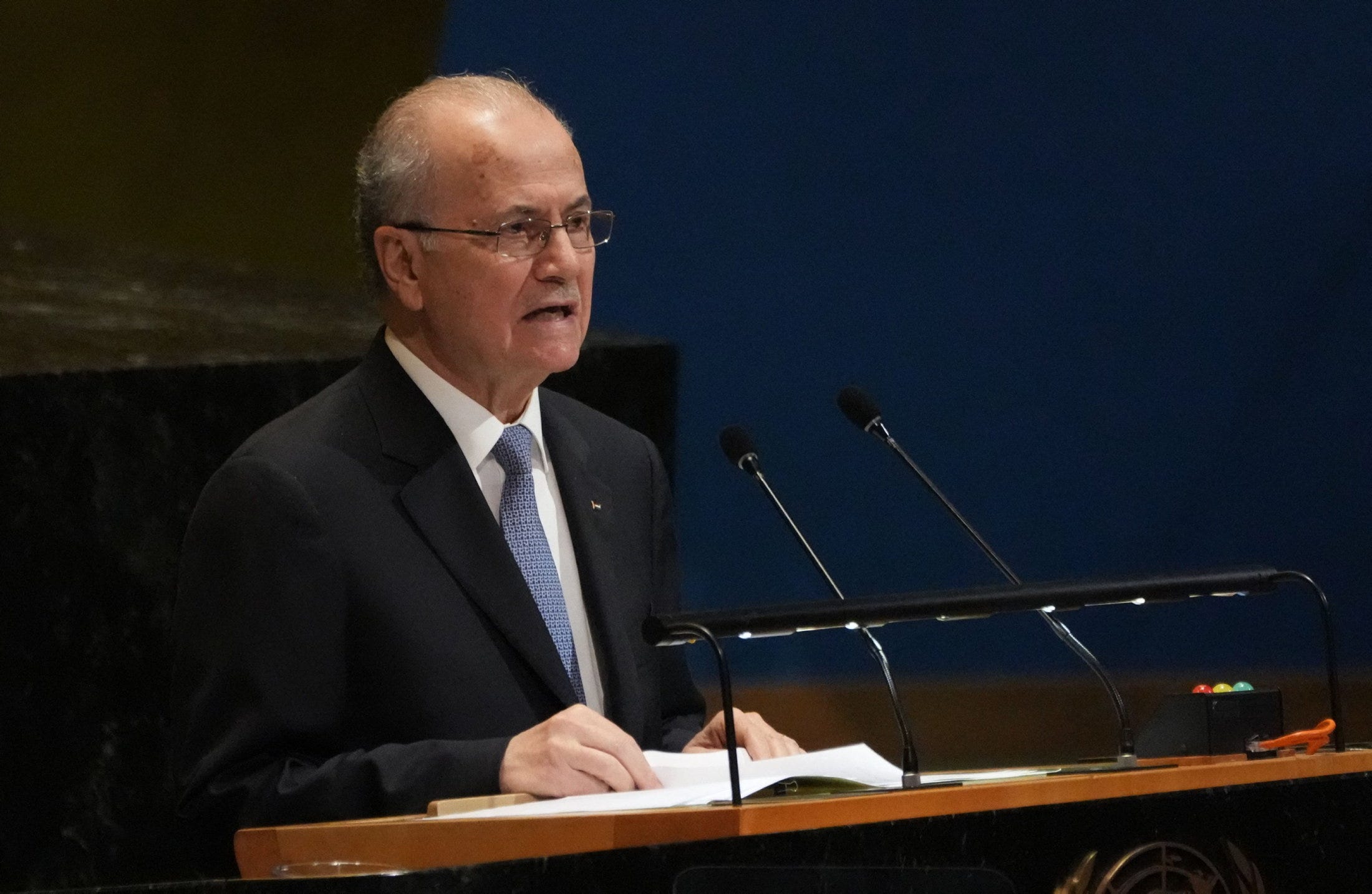
Palestinian PM's Visit to Cairo and Egypt's Postwar Gaza Plan
The Palestinian Prime Minister, Mohammad Mustafa, recently arrived in Cairo for a series of high-level meetings aimed at addressing the ongoing crisis in Gaza. His visit comes as Egypt continues to push for international support for its proposed postwar recovery plan for the region. The discussions are expected to cover several key areas, including humanitarian aid, ceasefire negotiations, and long-term solutions for rebuilding Gaza.
During his stay, Mustafa is scheduled to meet with Egyptian Prime Minister Mostafa Madbouly and Foreign Minister Badr Abdelatty. These meetings will focus on the dire humanitarian situation in Gaza, particularly the medical challenges faced by residents. Additionally, the officials will explore ways to ensure the continuous flow of aid into the Strip, which has been severely impacted by the conflict.
On Sunday, Khalil al-Hayya, head of Hamas' negotiating team, was set to meet with Egyptian intelligence chief Hassan Rashad, Qatari officials, and leaders of other Palestinian groups. The purpose of this meeting was to strategize on how to pressure Israel into resuming negotiations on hostage releases and ending the war. This session was initiated at Rashad’s request and is seen as a critical step in advancing dialogue between the parties involved.
Observing Aid Delivery and Planning for the Future
On Monday, Mustafa will travel to Arish, a town in the Sinai Peninsula, to observe the entry of humanitarian aid into Gaza. This visit is part of a broader effort to assess the logistics of aid distribution and ensure that essential supplies reach those in need.
On Tuesday, he will hold a joint press conference with Foreign Minister Abdelatty at the Rafah border crossing between Egypt and Gaza. Before the press conference, Mustafa will tour the aid warehouses and field hospital located there. These visits highlight the importance of transparency and accountability in the delivery of aid and the treatment of injured individuals.
In addition to these immediate concerns, Mustafa’s discussions in Egypt will also focus on preparing for an international conference on rebuilding Gaza. The goal is to convene global stakeholders to discuss reconstruction efforts once the conflict ends. Another key topic will be addressing the potential displacement of Palestinians from Gaza, ensuring that they are not forced to leave their homes.
Egypt’s Postwar Plan and International Implications
Egypt has outlined a comprehensive postwar plan that includes deploying Palestinian police from both the West Bank and Gaza after they undergo training in Egypt and Jordan. The plan calls for hiring approximately 5,000 active police officers and 5,000 carefully selected new ones. A temporary committee of 15 technocrats, who do not belong to any Palestinian faction, will oversee the administration of Gaza for six months.
During this period, initial projects for rebuilding Gaza will commence, and efforts will be made to secure international cooperation for the return of the Palestinian Authority to the region after the six-month period. The plan aims to present a detailed roadmap to both the United States and Israel, with the goal of persuading Israeli Prime Minister Benjamin Netanyahu to abandon his demand for Gaza’s disarmament.
Palestinian sources have noted that while the Egyptian plan is seen as serious, it remains uncertain whether Netanyahu will accept it. They believe that the success of the plan largely depends on whether the United States is willing to endorse and enforce it against Netanyahu’s objections.
Challenges and Expectations
Despite the potential support from the Palestinian community and the broader Arab world, the plan faces significant hurdles. Netanyahu has shown resistance to any proposals that involve the Palestinian Authority or include elements of international oversight. This has led to frustration among Palestinian officials, who feel that many plans are discussed but rarely implemented.
A senior member of the Palestine Liberation Organization's executive committee emphasized that Netanyahu is more interested in prolonging the conflict than finding a resolution. According to the official, "He wants to continue the war because continuing the war means his continuation in power."
With the international community increasingly calling for a peaceful resolution, the coming weeks will be crucial in determining the fate of the plan. If the United States can provide strong backing, there may be a real chance of moving forward. Otherwise, the cycle of unfulfilled promises may continue, leaving the people of Gaza in limbo.

Post a Comment for "Palestinian PM Travels to Cairo as Egypt Pushes Global Aid for Gaza Recovery"
Post a Comment