Overcoming Obstacles, Starmer Paves Path for Palestinian State
A Historic Moment in the Middle East
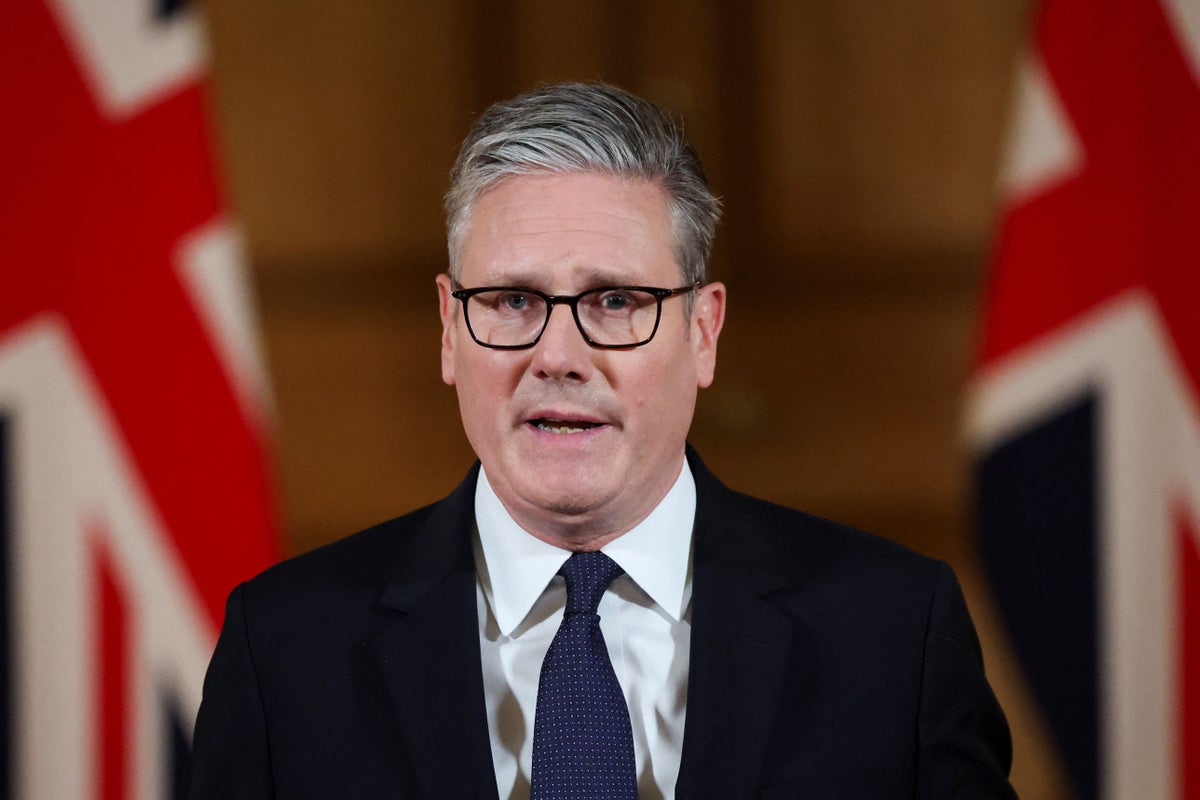
The situation in the Middle East has reached a pivotal moment, marked by both tragedy and potential for change. As the United Nations warns of the worst-case scenario of famine currently unfolding in the Gaza Strip, a British prime minister has made a bold declaration: the state of Palestine will be formally recognized. This move is expected to be supported by France at the UN General Assembly in September, marking a long-awaited step toward addressing the ongoing crisis.
Sir Keir Starmer emphasized the need for immediate action from both the Israeli government and Hamas. He called for an end to hostilities and the release of all hostages, acknowledging that while progress may be slow, these steps could pave the way for peace. If such measures are not taken, the path forward remains clear—formal recognition of Palestine as a state will still be pursued.
One of the most significant aspects of Starmer’s statement was his message that Hamas cannot be part of the future governance of Gaza. Recognition would be extended to the Palestinian Authority and its leader, Mahmoud Abbas, following a similar stance by French President Emmanuel Macron.
This joint effort between the UK and France is not isolated. Over 140 nations, including Spain, Ireland, Poland, Sweden, and Norway, already recognize an independent Palestine. The international community broadly supports ending the humanitarian crisis, the fighting, and initiating a new path toward peace.
However, any successful peace initiative requires the decisive support of the United States. Although Starmer did not disclose details of his recent discussions with former President Donald Trump, it is evident that the US is involved. Trump reportedly expressed approval of Britain's position on recognition, marking another diplomatic breakthrough and highlighting the growing trust between the two leaders.
It is encouraging to see major European powers, including the UK post-Brexit, acting as a unified force for positive change. However, since the Suez crisis of 1956, the United States has remained the dominant superpower in the region, often playing a central role in peace efforts.
While some US presidents have made progress in the Middle East, others have worsened the situation. The UK has occasionally partnered in these efforts but has typically acted as a junior partner. Sir Keir Starmer is the first British leader in decades to take a leading role in the Middle East peace process, and his close relationship with Trump increases the chances of success.
Despite the challenges, the logic of the two-state solution remains unavoidable. It requires a strong and respected leader to advocate for this approach. If the US is unable to lead, then Britain must step up. Starmer’s rapid rise on the world stage, his alignment with Trump, and his commitment to fulfilling Britain’s historical role make him a suitable candidate.
Historically, Britain played a key role in shaping the Middle East. In 1917, Arthur Balfour, the British foreign secretary, declared support for a Jewish national home in Palestine while ensuring the rights of existing non-Jewish communities. Now, it is time to establish a national home for the Palestinian people and honor the full intent of that historic document.
Britain also bears responsibility for leaving Palestine unsettled after its colonial withdrawal in 1948. Starmer is taking a significant risk, both in the region and within his own party. His actions deserve unwavering support.
The pursuit of peace in the Middle East is complex and fraught with challenges, but it is essential for the future of the region and the global community. With leadership and determination, there is hope for a more stable and just outcome.

Post a Comment for "Overcoming Obstacles, Starmer Paves Path for Palestinian State"
Post a Comment