Over 100 Aid Groups Sound Alarm on 'Mass Starvation' in Gaza
Escalating Crisis in Gaza: A Looming Famine
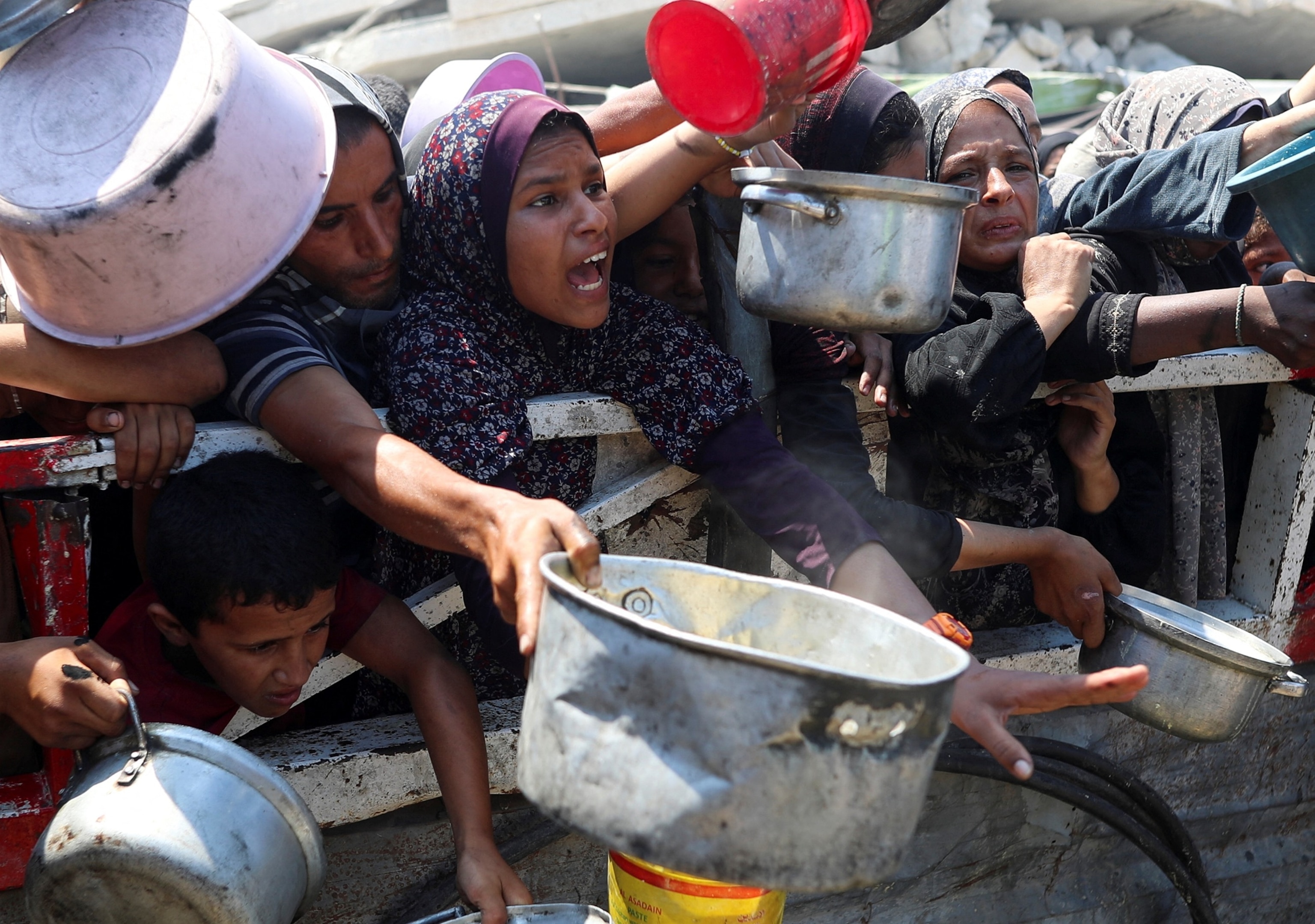
The situation in Gaza continues to deteriorate, with a growing number of organizations and international bodies sounding the alarm over the dire food shortage. Over 115 groups have issued a joint statement condemning the conditions, calling the crisis "mass starvation" and attributing it to the Israeli government's siege on the region. The statement highlights that aid workers are now standing in food lines alongside civilians, risking their lives just to provide for their families.
According to the United Nations, deadly shootings around aid distribution centers have resulted in hundreds of deaths. These incidents have raised serious concerns about the safety of both aid workers and civilians attempting to access essential supplies. The World Health Organization (WHO) has emphasized its commitment to remaining in the Gaza Strip and has called for stronger protections for its personnel and those of other U.N. agencies.
Dr. Tedros Adhanom Ghebreyesus, WHO Director-General, stated during a press conference that 90% of Gaza’s population is struggling to access clean water. This lack of access to basic necessities compounds the already severe food crisis. In a recent report from the Hamas-run Gaza Ministry of Health, ten Palestinians died due to famine and malnutrition within a 24-hour period. Since the start of the year, more than 70 children have succumbed to malnutrition, according to WHO data.
Rising Death Toll and Malnutrition Rates
The situation has worsened significantly, with a total of 111 people dying from hunger since the conflict began. Of these, 25 individuals, including at least four children, have died in the past 48 hours alone. Aid organizations report that many critical supplies have been completely depleted, exacerbating the suffering of the local population.
The joint statement released by the 115 organizations accuses the Israeli government of implementing policies that have created chaos, starvation, and death. They cite reports from doctors indicating record levels of acute malnutrition, particularly among children and the elderly. One aid worker providing psychosocial support shared a heartbreaking account: “Children tell their parents they want to go to heaven, because at least heaven has food.”
International aid groups such as Doctors Without Borders, Save the Children, and Oxfam International have signed onto the statement, highlighting the severity of the crisis.
Israeli Government’s Response
In response, an Israeli government spokesman, David Mencer, denied the existence of a famine in Gaza. He blamed Hamas for the food crisis, stating that the suffering in the region is “a man-made shortage engineered by Hamas.” Mencer also claimed that the Israeli Defense Forces (IDF) have taken steps to ensure the safe distribution of aid, noting that warning shots were fired at individuals who allegedly posed a threat to troops.
Mencer further stated that 2 million meals were distributed to Gazans on Monday, with a total of 87 million meals delivered since the U.S.- and Israel-backed Gaza Humanitarian Foundation (GHF) began its operations in late May. However, the U.N. and other aid organizations have refused to collaborate with the GHF, citing concerns about its transparency and political neutrality.
Controversy Surrounding Aid Distribution
An Israeli spokesperson accused Hamas of actively working to prevent the distribution of food in Gaza, claiming that the group is deliberately placing civilians at risk of hunger by disrupting aid sites. Meanwhile, the GHF has pushed back against these criticisms, emphasizing its efforts on the ground.
In a statement to ABC News, a GHF spokesperson said, “While Oxfam, MSF, and these other groups hold press conferences and send out threatening letters, GHF is on the ground feeding people.” The spokesperson highlighted that the foundation has delivered over 86 million meals in less than two months, contrasting this with the perceived inaction of other aid organizations.
“We’ve offered to help them deliver it safely. They’ve refused,” the spokesperson added. “The humanitarian community must return to its core mission—feeding people—not protecting outdated systems or avoiding the discomfort of change.”
Increasing Violence and Tragedies
Since the GHF began distributing food on May 27, more than 1,000 people have been killed by Israeli gunfire. Ajith Sunghay, from the Office of the United Nations High Commissioner for Human Rights, noted that many of these deaths occurred during aid distributions, as well as when individuals tried to board UN convoys.
This ongoing violence underscores the urgency of the situation and the need for immediate action to address the humanitarian crisis in Gaza. As the conflict continues, the toll on civilians—especially children—grows ever more devastating.

Post a Comment for "Over 100 Aid Groups Sound Alarm on 'Mass Starvation' in Gaza"
Post a Comment