Outdated Speed Limit Rule Under Review as Highway Deaths Rise
The 85% Rule and Its Impact on Speed Limits
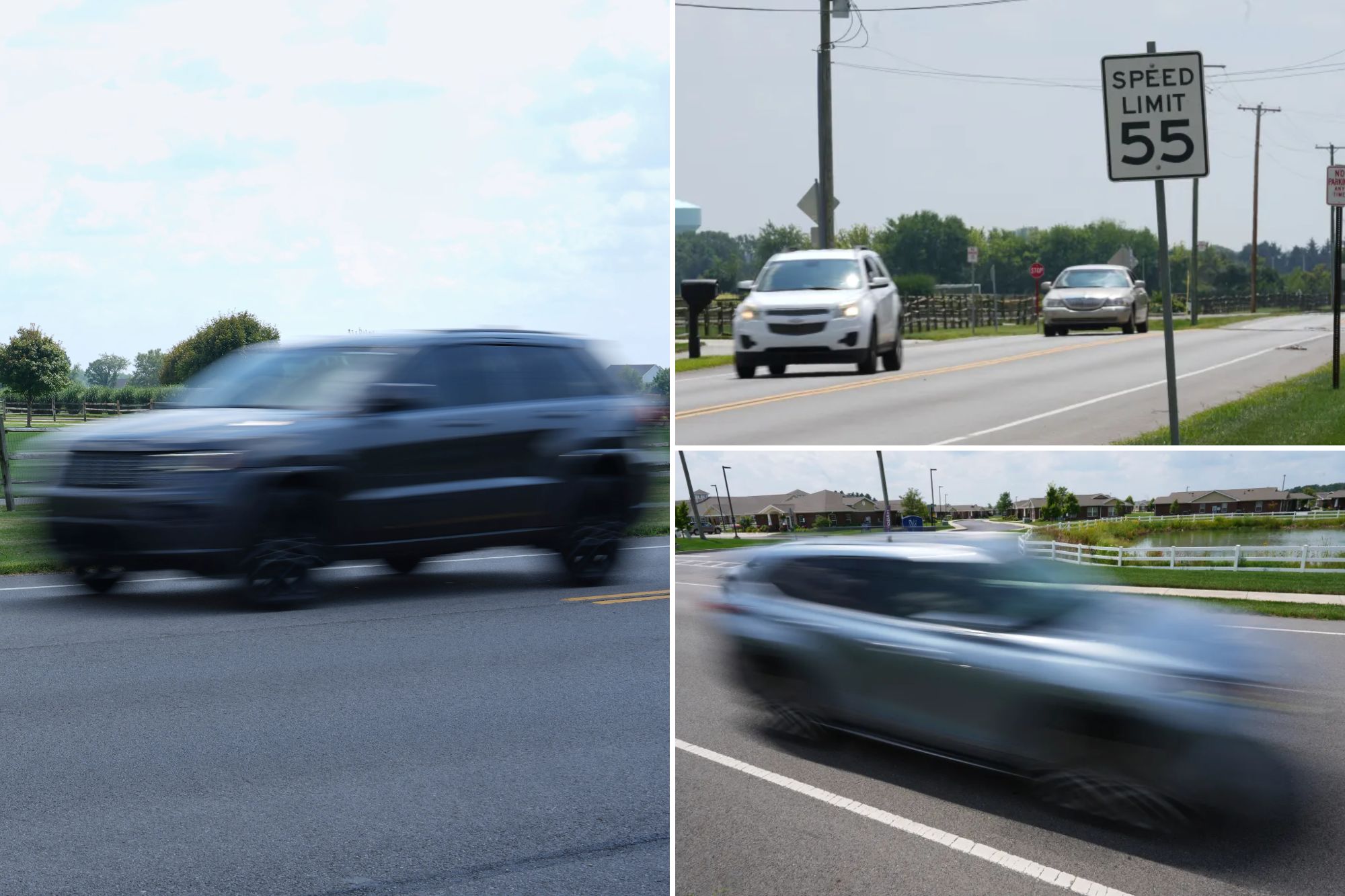
Rose Hammond, an 85-year-old resident of northwest Ohio, has been advocating for years to lower the speed limit on Mitchaw Road, a two-lane road that passes through her assisted living community, a church, two schools, and a busy park. This road is frequently used by youth sports leagues, making it a high-traffic area. She expressed frustration with officials, questioning why nothing was being done about the motorcycles that often race past the area.
Amid growing public pressure, Sylvania Township requested a review from county engineers in March to determine if the current speed limit of 55 mph on Mitchaw Road was appropriate. Surprisingly, the analysis revealed that the speed limit was actually 5 mph too low. This finding highlights the ongoing debate over how speed limits are determined across the United States.
The Origins of the 85% Rule
The 85% rule, which has influenced speed limit settings for decades, originated from studies conducted on rural roads during the 1930s and 1940s. This rule suggests that the posted speed limit should be based on the 15th-fastest vehicle out of every 100 traveling on the road, rounded to the nearest 5 mph increment. It assumes that the safest speed is one that most drivers naturally choose, creating a sort of “vote with your feet” approach.
However, this method has come under scrutiny as some states, with encouragement from the federal government, are exploring alternatives or modifications to the 85% rule when setting speed limits.
A Shift in Thinking About Speed Limits
Jenny O’Connell, director of member programs for the National Association of City Transportation Officials, points out that the 85% rule can create a feedback loop where speeding leads to higher speed limits. To address this, her organization developed the “City Limits” initiative, which focuses on minimizing risks for all road users by considering factors like street activity and potential conflicts.
This shift is part of a broader movement toward rethinking how speed limits are set, especially in urban areas. The Federal Highway Administration recently updated its guidelines, emphasizing that communities should consider road usage, pedestrian safety, and crash frequency, rather than relying solely on the 85% rule.
Examples of Change in Practice
Cities like Madison, Wisconsin, have implemented changes to their speed limits, lowering them from 25 mph to 20 mph on local residential streets as part of the “20 is Plenty” campaign. Seattle’s similar pilot program seven years ago resulted in a noticeable decline in serious injury crashes and a 7% drop in the 85th percentile speed.
In California, the 85% rule is heavily relied upon, but recent legislative changes have allowed local governments to deviate from it if they can demonstrate a clear safety need. Despite these changes, advocates argue more needs to be done to prioritize pedestrians and cyclists.
Differing Perspectives on the 85% Rule
While some support the 85% rule as a way to minimize speed variations among drivers, others see it as outdated. Jay Beeber of the National Motorists Association argues that following the rule is typically the safest approach, as it aligns with how drivers naturally behave on the road.
However, critics like Leah Shahum of the Vision Zero Network believe the 85% rule should not be considered the ultimate authority. She notes that while the Federal Highway Administration has taken steps to reduce its influence, some states still cling to the traditional approach.
The Evolution of Speed Limits
Speed limits have increased over time, with North Dakota becoming the ninth state to allow 80 mph on certain highways. Texas even has a 40-mile stretch between Austin and San Antonio where 85 mph is permitted. However, a 2019 study by the Insurance Institute for Highway Safety found that increasing speed limits significantly raises the risk of fatalities on interstates and other roads.
Chuck Farmer, vice president for research at the institute, emphasized that modern vehicles make it harder for drivers to gauge their speed accurately, highlighting the dangers of higher limits.
Local Efforts and Future Changes
In Sylvania Township, Ohio, officials are considering reducing the speed limit on Mitchaw Road from 55 mph to 40 mph or lower. However, the county’s analysis suggested that the 85% rule would require raising the limit to 60 mph, which surprised local leaders. Despite this, the speed limit remains unchanged due to state laws that set maximum speeds for different types of roadways.
Ohio is gradually evolving its guidelines, giving more weight to roadway context and allowing cities to adjust speed limits based on the 50th percentile speed when pedestrians and bicyclists are present. The state is also consulting with experts to explore further changes.
Michelle May, who manages Ohio’s highway safety program, noted that states are slowly moving away from the 85% rule as a primary decision-making tool. With changing travel patterns and a greater emphasis on safety, the focus is shifting toward protecting all road users.
Despite years of advocacy, Rose Hammond remains skeptical about whether any changes will occur on Mitchaw Road. “I just get so discouraged,” she said, reflecting the challenges faced by those pushing for safer streets.

Post a Comment for "Outdated Speed Limit Rule Under Review as Highway Deaths Rise"
Post a Comment