Only Italian Chefs Choose This Pasta at the Supermarket—And It's Why It's So Special
The Secret to Perfect Dried Pasta
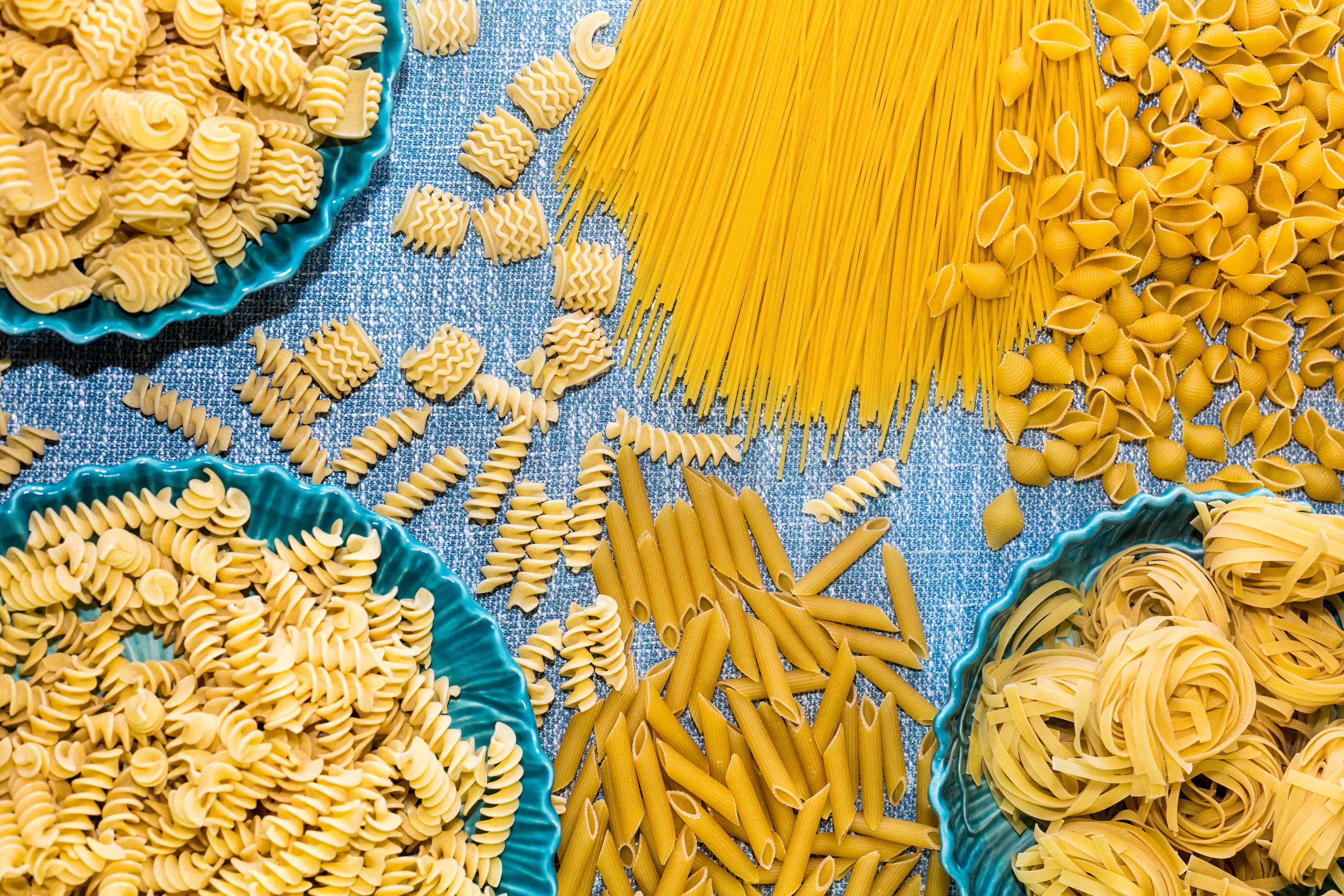
Dried pasta is a staple in many American kitchens, valued for its long shelf life and convenience. It’s a go-to ingredient for meals that are both quick and satisfying. According to recent surveys, the majority of Americans enjoy pasta at least once a week, with a significant portion eating it up to three times a week. This widespread popularity makes it one of the most common foods found on restaurant menus and home dinner tables alike.
While fresh pasta is often considered superior, most people opt for dried pasta due to its ease of storage and preparation. Unlike fresh pasta, which has a shorter shelf life, dried pasta can last for years without spoiling, though its quality may diminish over time. This makes it an ideal pantry staple, especially when you need a fast meal that doesn’t require much effort.
What Makes Great Dried Pasta?
When selecting dried pasta, the ingredients matter more than you might think. Chef Philip Guardione, owner of Piccola Cucina in New York, emphasizes that the quality of the flour is the key factor in determining the final product. “Flour is the most important element of great pasta,” he says. “The semolina used in high-quality pasta plays a critical role in how it cooks and tastes.”
According to Guardione, the best dried pasta should be made with just two simple ingredients: durum wheat semolina and water. Any additional ingredients, such as preservatives or artificial additives, can compromise the flavor and texture. When shopping, always check the label and avoid any pasta with long, complicated ingredient lists that are hard to pronounce.
Some popular brands that meet these standards include Sfoglini and Rao's Homemade. These brands not only use quality ingredients but also offer a variety of pasta shapes that have crevices and grooves perfect for holding onto sauce.
Cooking Tips from a Professional Chef
Once you’ve selected the right pasta, the next step is to cook it properly. Guardione shares his expert advice: “The water needs to be abundantly salted—like the sea—and add the pasta only when the water is at a rolling boil.” This ensures that the pasta cooks evenly and doesn’t stick to the bottom of the pot.
He also recommends using a generous amount of salt in the cooking water, as this enhances the flavor of the pasta itself. Adding the pasta to boiling water immediately helps maintain the right texture, preventing it from becoming mushy or undercooked.
Another tip is to avoid adding oil to the cooking water. While some people believe this prevents sticking, it actually creates a barrier that stops the sauce from adhering to the pasta. Instead, focus on proper salting and timing to achieve the best results.
Why Dried Pasta Still Matters
Despite the rise in popularity of fresh pasta, dried pasta remains a favorite for many. Its convenience, affordability, and versatility make it a practical choice for busy households. Whether you’re making a simple spaghetti dish or a hearty carbonara, dried pasta offers a reliable base that can be transformed into a delicious meal with the right ingredients and techniques.
In conclusion, choosing the right dried pasta and preparing it correctly can elevate your cooking experience. By focusing on quality ingredients and following expert tips, you can enjoy a perfectly cooked pasta dish every time.

Post a Comment for "Only Italian Chefs Choose This Pasta at the Supermarket—And It's Why It's So Special"
Post a Comment