Ohio State President Vows Academic Freedom, But Faculty Disagree
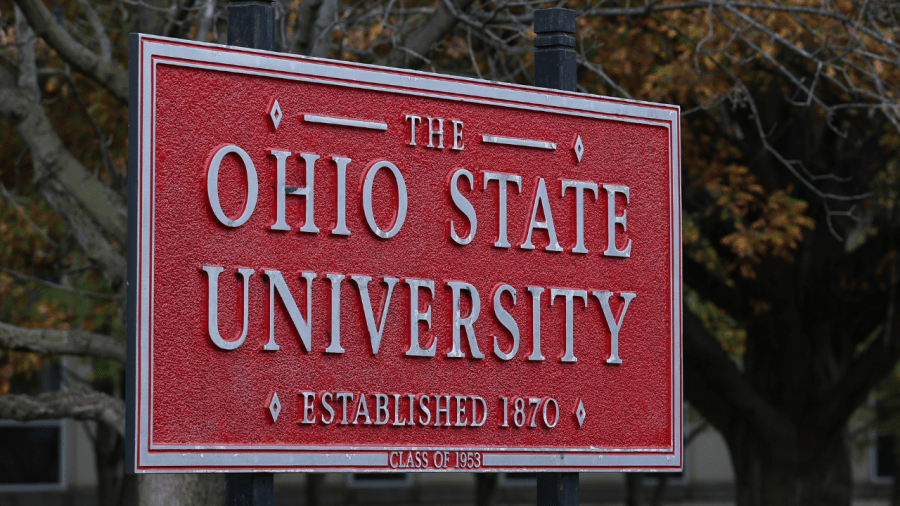
Faculty at Ohio State University Voice Concerns Over Administration’s Handling of Academic Freedom
Ohio State University faculty members have raised significant concerns about the university's approach to protecting students and staff, particularly in light of recent legislative changes and statements made by President Ted Carter. The faculty criticized the administration for what they describe as a lack of commitment to upholding academic freedom and free speech.
In a statement, the American Association of University Professors chapter at Ohio State (AAUP-OSU) expressed disagreement with Carter’s remarks during an interview on CBS’ “Face the Nation” on July 27. During the interview, Carter addressed tensions between higher education institutions and the Trump administration, emphasizing that Ohio State is not facing pressure similar to Ivy League schools like Harvard, Cornell, and Brown, which had federal funding frozen due to pro-Palestine protests on campus.
Carter stated that he does not feel much pressure after being identified as a school that could be investigated for antisemitism. He added, “We stand behind our actions. We know how we acted during the time of the protests … so I’m confident that as this plays out forward, that we’re going to be just fine.”
The AAUP-OSU pointed to events in April 2024, when over 30 students were arrested during pro-Palestine protests on campus. The organization described these arrests as a “suppression of free speech” and called them a “dark mark on OSU’s recent history and a sign of the current crisis.”
Beyond the protests, Ohio State has also faced financial challenges. The university has lost millions in research funding due to cuts from the Department of Energy and new grant standards that restrict research on diversity, equity, and inclusion. While Carter claimed that the university as a whole has not experienced the same devastation as smaller institutions, some researchers expressed skepticism, noting that their projects—developed over years—now lack the necessary funding to continue.
AAUP-OSU argued that Carter’s emphasis on academic freedom does not match the university’s actions, particularly regarding the handling of student protests and other policies that faculty disagree with. Ohio State responded that some of the concerns raised by faculty are legally unfeasible to address and reiterated its commitment to academic freedom.
Legislative Changes and Institutional Responses
In June, a new law required all public universities in Ohio to stop DEI (diversity, equity, and inclusion) programming and offices. Ohio State closed its DEI offices in February, meeting a federally imposed deadline that many other universities did not follow. Despite the backlash, with around 1,000 people protesting the decision, the university maintained that complying with the deadline allowed it to preserve scholarships and aid.
Additionally, AAUP-OSU raised concerns about how the university handled visa revocations for international students. The organization claimed that the university did not do enough to support affected students. Ohio State responded that it provided “all available resources” to the dozen students impacted, all of whom have since regained their legal status.
Despite these issues, Carter emphasized his continued dedication to the principles of academic freedom, stating, “The principles of academic freedom, what is taught in the classroom, the move towards scholarly pursuit, the research that we do here at Ohio State, those are things that we are still very passionate about, and I know that we’re going to continue that work.”
However, AAUP-OSU dismissed these statements as “empty rhetoric” without concrete action. In a statement, the organization urged the administration to take more meaningful steps to protect academic freedom and free speech, asking, “What is the OSU Administration going to do to support our freedom of speech and academic freedom?”
As the debate continues, the faculty remains vocal in its demands for greater accountability and transparency from the university leadership.

Post a Comment for "Ohio State President Vows Academic Freedom, But Faculty Disagree"
Post a Comment