Ohio Gov. Mike DeWine Forms Task Forces to Solve Tough Issues
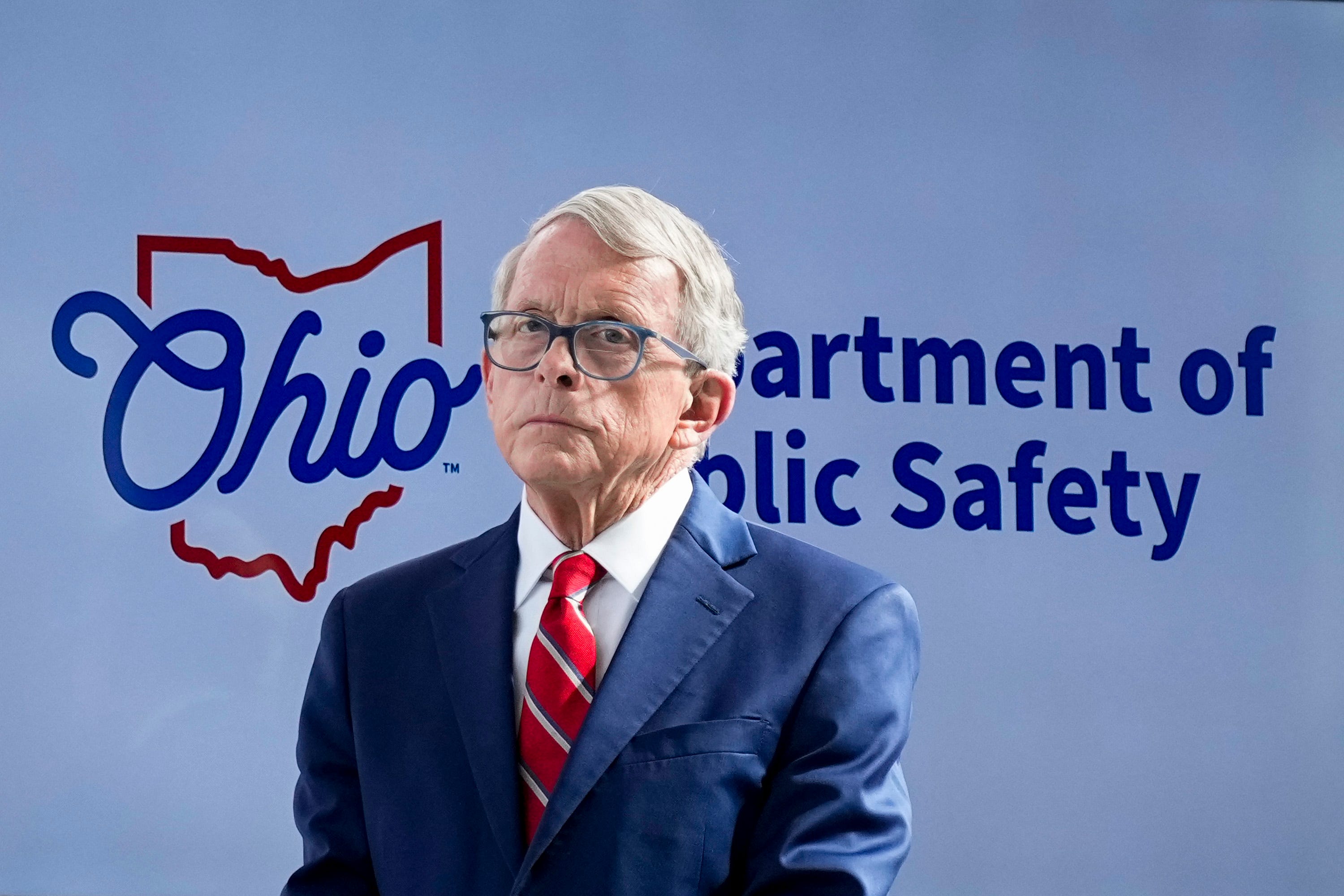
The Governor's Approach to Problem-Solving
When complex issues arise, Ohio Governor Mike DeWine has a well-established method for addressing them. He relies on the expertise of friends and professionals to quickly assess the situation and develop actionable recommendations. Since taking office in January 2019, DeWine has formed over two dozen working groups to tackle a wide range of challenges. These groups have become a defining feature of his leadership style, much like the state's love for homemade pie, baseball, and family gatherings.
DeWine believes that these task forces are an effective way to focus on specific problems and find practical solutions. "It's a way to focus on particular problems and come up with practical solutions that will work," he explained. He added, "I think with every task force we've been able to do something that was positive."
Key Areas of Focus
The latest working groups are currently examining property tax reforms and exploring ways to limit the use of the Supplemental Nutrition Assistance Program (SNAP) for purchasing sugary drinks. These efforts reflect DeWine’s commitment to addressing both economic and public health concerns.
A significant number of the 24 working groups have focused on issues that are particularly important to DeWine: children, health, safety, and criminal justice. Some of these groups were initiated as a response to investigative journalism. For example, reports from the Cincinnati Enquirer, Columbus Dispatch, Akron Beacon Journal, and Canton Repository highlighted poor conditions in Ohio’s youth prisons. Other investigations by the Dispatch exposed failures in how missing persons are handled and issues with outstanding warrants.
A Timeline of Working Groups
Here is a list of some of the working groups established by DeWine over the years:
- 2025: Public safety in state parks; property tax reform; SNAP; missing persons.
- 2024: Diversion from state mental health hospitals; children's vision screening and eyeglasses.
- 2023: Juvenile detention and youth prisons; school bus safety; nursing home quality and accountability.
- 2022: Volunteer fire service.
- 2021: Racial disparities in infant mortality.
- 2020: COVID-19; traffic safety.
- 2019: Home Visitation for newborns; Mental health and drug abuse; minority health; criminal warrants; Medical Board's handling of Dr. Richard Strauss case; school safety; oversight of people released from prison; foster care system; Ohio State Fairgrounds upgrades; preventing lead poisoning; transportation infrastructure.
DeWine remains committed to this approach. "Yeah, I like it. I think it works. We're going to continue to do them," he said.
Impact of the Task Forces
Several of the task forces have led to tangible changes. For instance, Ohio plans to close its larger youth prisons and replace them with smaller facilities closer to where young people live. Additionally, the State Medical Board reopened 91 cases involving allegations of sexual assault against licensed medical professionals.
One of DeWine’s earliest task forces, created when he was attorney general, recommended steps to address the backlog of untested rape kits held in evidence rooms across local police departments.
Historical Context
While former Governor John Kasich rarely used working groups, his predecessor Bob Taft did. Jon Allison, who served as Taft's chief of staff, noted that using outside advisors can broaden support for recommendations. "My observation has been that Bob Taft and Mike DeWine kind of come out of the same era of governing," Allison said. "He loved a good blue ribbon task force. And as snarky as I could be about them, I'd say they absolutely have a legitimate place."

Post a Comment for "Ohio Gov. Mike DeWine Forms Task Forces to Solve Tough Issues"
Post a Comment