Octopus Energy Ad Banned for Heat Pump Cost Misleading Claims
The Controversy Over Octopus Energy’s Heat Pump Ad
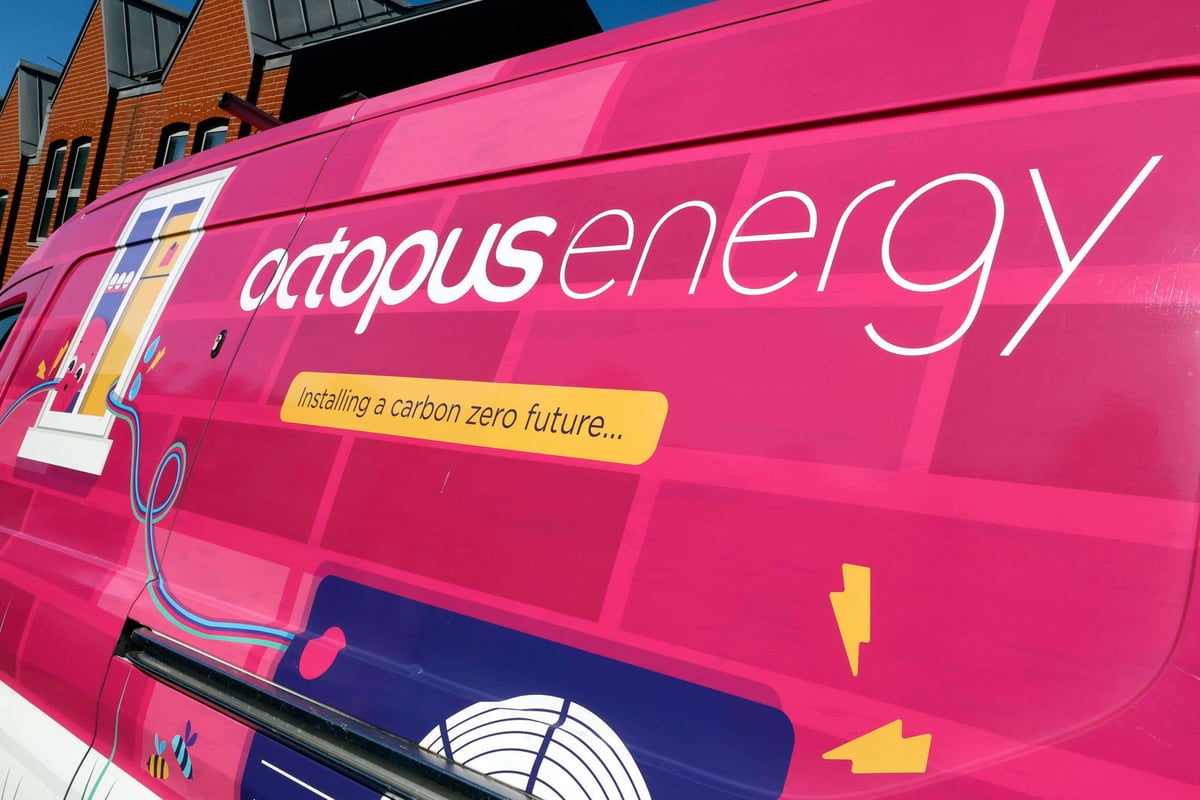
A recent advertisement by Octopus Energy has been banned for misleading consumers with claims that heat pump installations could cost as little as £500. The Facebook ad, which was seen in September, stated “Installs from £500” and continued: “The government grant covers up to 90% of the costs of a new heat pump. Replace your old broken boiler with an award-winning energy supplier and help stop our reliance on gas.”
The Advertising Standards Authority (ASA) received two complaints about the ad, including one from the Energy and Utilities Alliance, a trade body that challenged whether the claim of “installs from £500” could be substantiated. They also questioned whether the ad omitted important information.
Octopus Energy responded to the ASA by stating that the claim was based on what their customers would pay, rather than the industry average cost of heat pumps. The company provided sales data from April 2024 to January 2025, showing that 13.9% of consumers who purchased a heat pump through Octopus Energy paid £500 or less.
In these cases, the total cost of installing a heat pump was £8,000, which, after deducting the £7,500 Boiler Upgrade Scheme funding, resulted in a final cost of £500. Octopus said they targeted the ad at consumers in their installation coverage area, which accounted for around 86% of postcode districts.
To support their case, Octopus commissioned a consumer opinion survey from a third party after receiving notification of the complaints from the ASA. The survey found that 58% of respondents believed that the cost of having a heat pump installed by Octopus Energy could be as low as £500 with the help of government funding.
However, the ASA emphasized that advertising regulations require price claims such as “from” to not exaggerate the availability or amount of benefits likely to be obtained by the consumer. According to Competition and Markets Authority guidance, “from” prices should reflect what a significant proportion of consumers were likely to pay for the advertised product.
The ASA assessed the sales data and found that at the time the ad appeared in September 2024, only 5.8% of heat pump sales had been made at or below the price claimed in the ad. In the preceding months, less than 5.8% of sales had been at or below the claimed price. For the final two months of 2024, the proportion of heat pumps sold at or below £500 ranged between 23% and 24%. However, the data did not show that a significant proportion of sales, at the time the ad appeared, were at the claimed price of £500.
The ASA concluded that the price did not reflect what a significant proportion of consumers were likely to pay at the time the ad appeared. They added that they had not seen sufficiently robust evidence that a significant proportion of consumers to whom the ad was targeted could purchase a heat pump and have it installed by Octopus Energy for £500. As a result, the ASA ruled that the ad was likely to mislead.
The ASA ordered Octopus Energy to ensure that suitably robust evidence was held to demonstrate that any claimed “from” price could be achieved by a significant proportion of consumers. They also required that ads making price claims for heat pump installation include all material information, including clarification of any government grant included in the advertised price and the existence of eligibility criteria.
Rebecca Dibb-Simkin, chief product and marketing officer at Octopus Energy, disagreed with the ruling. She stated that 13% of all heat pumps sold by Octopus during the campaign were £500 or less, exceeding the ASA’s guideline of 10%. She suggested that this outcome might be due to pressure from the fossil fuel lobby, which she believes is trying to undermine the clean energy sector.

Post a Comment for "Octopus Energy Ad Banned for Heat Pump Cost Misleading Claims"
Post a Comment