NYC Shooter Claims CTE: The Brain Disease Linked to NFL Players
The Link Between CTE and NFL Players
Chronic Traumatic Encephalopathy (CTE) is a progressive degenerative brain disease that has been increasingly linked to athletes, especially those involved in contact sports like football. This condition is often associated with repeated head injuries, which can lead to the accumulation of abnormal proteins in the brain. These proteins damage brain tissue and cause brain cells to die, leading to a range of cognitive and behavioral issues.
While the exact causes of CTE are still not fully understood, research has shown that it is more prevalent among individuals who have experienced multiple concussions or head traumas over time. This has raised concerns about the long-term health effects of playing contact sports, particularly in the National Football League (NFL).
Notable Cases of CTE in Former NFL Players
Several high-profile cases of CTE have been documented among former NFL players, highlighting the potential dangers of the sport. For example, Terry Long, a former NFL player, committed suicide in 2006 and was later diagnosed with CTE. His case brought attention to the mental health struggles that many athletes face after their careers.
In 2023, a report revealed that out of 376 former NFL players studied by Boston University’s CTE Center, 345 were diagnosed with CTE. This staggering number underscores the widespread impact of the disease within the league.
Other notable cases include Dave Duerson, who died by suicide in 2011 and left his brain for research. He was found to have suffered from CTE. Similarly, Junior Seau, a former NFL linebacker, was also diagnosed with CTE after his death in 2012. His family confirmed that he had struggled with sleep issues and other symptoms before his passing.
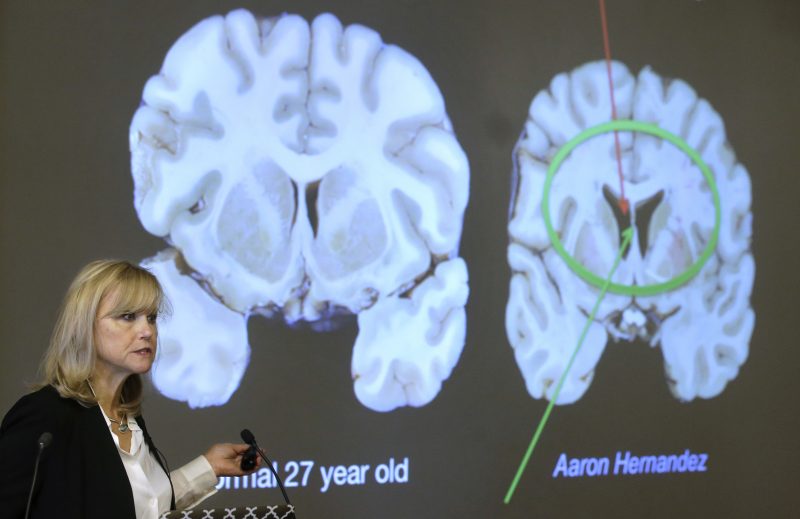
Ken Stabler, a former NFL quarterback, was found to have Stage 3 CTE after his death in 2015. His partner described his symptoms as severe headaches, forgetfulness, and difficulty sleeping. Aaron Hernandez, another former NFL player, was found to have Stage 3 CTE, which is associated with memory loss and impaired judgment. His case also highlighted the potential link between CTE and criminal behavior.
Irv Cross, a former NFL player turned CBS anchor, was found to have Stage 4 CTE following his death in 2021. His widow shared that he experienced depression, mood swings, and memory loss, which made him reluctant to be around people. Phillip Adams, who fatally shot six people before taking his own life in 2021, was found to have Stage 2 CTE. His father later sued South Carolina State University, accusing the school of failing to protect players and educate them about head injuries.
Demaryius Thomas, a former NFL Pro Bowl wide receiver, was dealing with depression and anxiety at the time of his death in 2021. His family confirmed that he had Stage 2 CTE. Frank Wycheck, a former Tennessee Titan, was also diagnosed with Stage 3 CTE. His family noted that he had expressed a desire to work with experts on CTE research and ongoing brain injury studies.
The Search for a Cure
Despite the growing awareness of CTE, there is currently no known cure for the disease. Researchers continue to study the condition to better understand its causes and potential treatments. Some athletes, like NASCAR driver Dale Earnhardt, Jr., and U.S. women’s soccer player Brandi Chastain, have pledged to donate their brains to researchers after their deaths, contributing to ongoing studies on CTE.
The connection between CTE and the NFL has sparked debates about the safety of the sport and the need for better protective measures. While the league has taken steps to improve player safety, many believe more can be done to prevent head injuries and support the long-term health of athletes.
As the conversation around CTE continues, it is essential to raise awareness about the risks associated with contact sports and to support research efforts aimed at finding a cure. The stories of those affected by CTE serve as a reminder of the importance of prioritizing athlete health and well-being.

Post a Comment for "NYC Shooter Claims CTE: The Brain Disease Linked to NFL Players"
Post a Comment