NY Shooter Blames NFL for Mental Health Struggles, Mayor Says
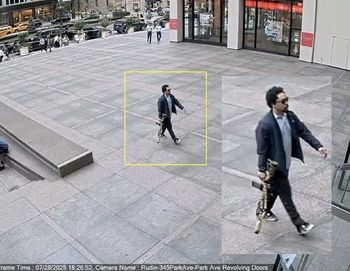
The Tragedy at 345 Park Avenue
On July 28, a tragic event unfolded in the heart of Midtown Manhattan when a man armed with a semiautomatic rifle entered an office building on 345 Park Avenue. This act resulted in the deaths of four individuals and marked the deadliest mass shooting in New York City in over 25 years. The incident has sparked widespread concern and raised questions about mental health, gun laws, and the impact of contact sports on long-term brain health.
The shooter, identified as Shane Tamura, a 27-year-old from Las Vegas, had a history of mental illness. He was a former high school football player who had been involved in contact sports, which may have contributed to his alleged diagnosis of chronic traumatic encephalopathy (CTE). According to New York Mayor Eric Adams, Tamura carried a note that appeared to blame the NFL for his condition, even though he never played at the professional level.
The Shooting and Its Victims
Tamura killed two security officers and two office workers before taking his own life on the 33rd floor of the skyscraper. The victims included:
- Didarul Islam, a New York Police Department officer who was part of the building's security detail.
- Aland Etienne, a security guard stationed at the lobby desk.
- Wesley LePatner, a senior executive at Blackstone.
- An employee of Rudin Management, the real estate company that owns the building.
The shooting occurred just days after the fatal shooting of UnitedHealth CEO Brian Thompson, which also took place near the same area. The similarities between the two incidents have led to speculation about potential connections, although no direct link has been confirmed.
The Role of the NFL and CTE
Tamura’s note suggested he believed the NFL was responsible for his CTE, a degenerative brain disease associated with repeated head trauma. While the NFL has faced numerous lawsuits related to concussions and has paid over $1 billion in settlements, Tamura never played professionally. His involvement in high school football, however, may have contributed to his belief that the league was to blame for his condition.
The NFL has taken steps to address the risks of concussions, including implementing new rules and safety measures. However, the case of Tamura highlights ongoing concerns about the long-term effects of contact sports and the need for better awareness and support for athletes.
Legal and Security Implications
Tamura appears to have traveled from Las Vegas to New York City over three days and acted alone. Surveillance footage showed him carrying an M4 Carbine, a popular civilian firearm. In Nevada, where Tamura resided, it is legal to carry a concealed weapon without a permit. He had previously worked as a security guard at a Las Vegas casino, according to reports.
Law enforcement records indicate that Tamura was detained twice under a mental health crisis hold in 2022 and 2024. These incidents required hospital evaluation, but no formal charges were filed. The lack of a clear mental health intervention prior to the shooting has raised questions about the adequacy of current systems to prevent such tragedies.
Reactions and Aftermath
In the wake of the shooting, the NFL announced plans for increased security at its offices. Commissioner Roger Goodell addressed the incident in a memo to league staff, emphasizing the importance of safety. However, the league has not yet commented on Tamura’s reported motives.
The tragedy has also affected the local community. Workers in the area expressed fear and uncertainty, with many avoiding the area in the days following the shooting. The building remained closed to employees, and some neighboring structures were also evacuated.
For families of the victims, the loss has been devastating. Didarul Islam, a father of two, was remembered by his cousin as a kind and devoted individual. Aland Etienne’s family described him as a "light in their eyes," highlighting the personal toll of the event.
Moving Forward
As investigations continue, the incident serves as a stark reminder of the complex issues surrounding mental health, gun violence, and the long-term consequences of contact sports. It underscores the need for comprehensive policies that address these challenges and protect communities from future tragedies.

Post a Comment for "NY Shooter Blames NFL for Mental Health Struggles, Mayor Says"
Post a Comment