NY Democrats Launch Midterm Redistricting Plan for Future Elections
New York Democrats Propose Mid-Decade Redistricting Bill in Response to Texas GOP Moves
As Texas Republicans move forward with plans to redraw congressional maps mid-decade, Democrats in New York have introduced a bill aimed at countering potential Republican redistricting efforts. This initiative reflects the growing tension between political parties over control of the electoral process and the future of representation in Congress.
The proposed legislation would allow New York state lawmakers to conduct mid-decade redistricting if another state does so first. If passed, this could create a national redistricting "tit-for-tat" scenario, where both parties might adjust their district boundaries in response to each other's actions. The outcome could have significant implications for the balance of power in the U.S. House of Representatives.
However, the path to implementing this bill is long and complex. The proposal is technically a legislatively referred constitutional amendment, meaning it must pass the legislature in two consecutive sessions before being approved by voters in a ballot measure. This process could take several years, with any new maps not coming into effect until the 2028 elections.
New York State Senate Deputy Majority Leader Michael Gianaris, who introduced the bill, emphasized the need for states to follow the same rules to ensure a legitimate democracy. He stated that if red states are intent on corrupting the redistricting process, New York will respond accordingly. A similar measure was introduced in the state Assembly, showing bipartisan support for the idea.
Redistricting Process and Current Challenges
Redistricting typically occurs at the start of each new decade when new census data becomes available. In New York, the process has been managed by the Independent Redistricting Commission since 2014. This body was created after voters approved a constitutional amendment to ensure fair map creation. Previously, the legislature controlled the entire redistricting process.
Gianaris’ office indicated that the bill is a direct response to the Texas Republicans' attempt to redraw their congressional maps ahead of schedule. This effort could potentially help the GOP maintain its narrow majority during the upcoming midterms. The timing of these changes is critical, as Texas Republicans aim to implement new district boundaries for the 2026 elections.
National Implications and Divergent Approaches
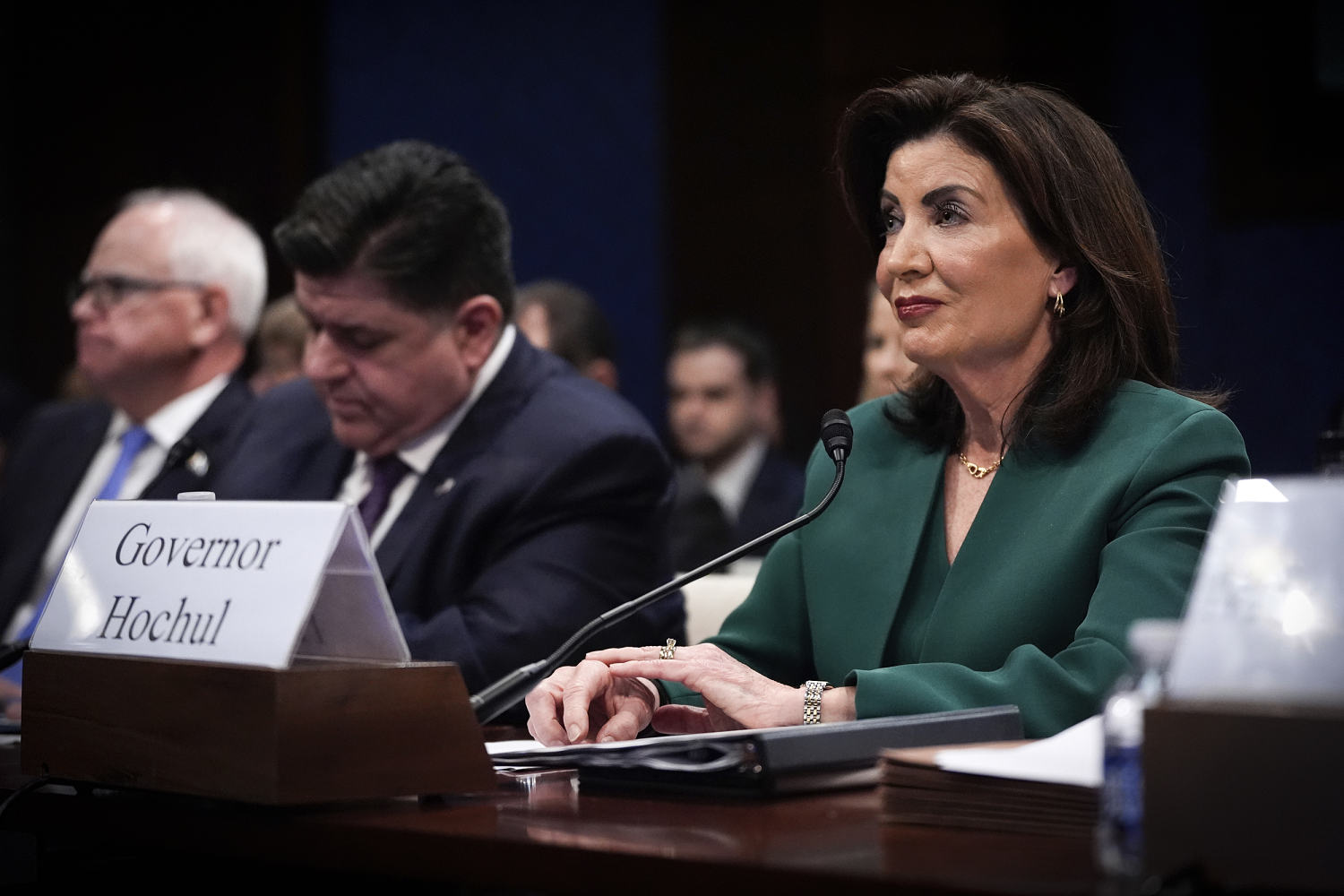
The situation in Texas has triggered a ripple effect across the country, with governors considering whether to follow suit. This could lead to actions that benefit Republican candidates in states like Florida and Ohio. In New York, Governor Kathy Hochul has expressed openness to exploring options, stating that "all’s fair in love and war" and that she would closely consider any proposed actions.
California, another major blue state, has also seen discussions about early redistricting. Governor Gavin Newsom, a potential 2028 presidential contender, has raised the idea. However, the redistricting process in California is managed by an independent commission, making it more complicated to change than in states where redistricting is handled through simple legislative action.
House Minority Leader Hakeem Jeffries met with members of the California delegation to discuss potential responses to Texas' moves. Some California Democrats have expressed support for the idea, arguing that if Texas is going to "rig the system," they should not sit back and do nothing.
Concerns About Gerrymandering and Representation
Despite these proposals, many officials and advocacy groups strongly oppose efforts to circumvent the independent redistricting commissions. Patricia Sinay, a member of the California Citizen Redistricting Commission, warned that fighting gerrymandering with more gerrymandering is short-sighted. She argued that handing power to legislators and special interests would bring back the political gamesmanship that led to the creation of independent commissions in the first place.
Other opponents, including Russia Chavis Cardenas from Common Cause, highlighted the risks of undermining minority representation. They pointed out that gerrymandering disproportionately affects Black, brown, and poor communities. Cardenas emphasized that this issue is not just partisan but a matter of fair representation.
As the debate over redistricting continues, the balance between political strategy and democratic integrity remains a central concern. The decisions made now could shape the future of representation and voting power for years to come.

Post a Comment for "NY Democrats Launch Midterm Redistricting Plan for Future Elections"
Post a Comment