Nvidia's China Deal: A Game-Changer in the Making
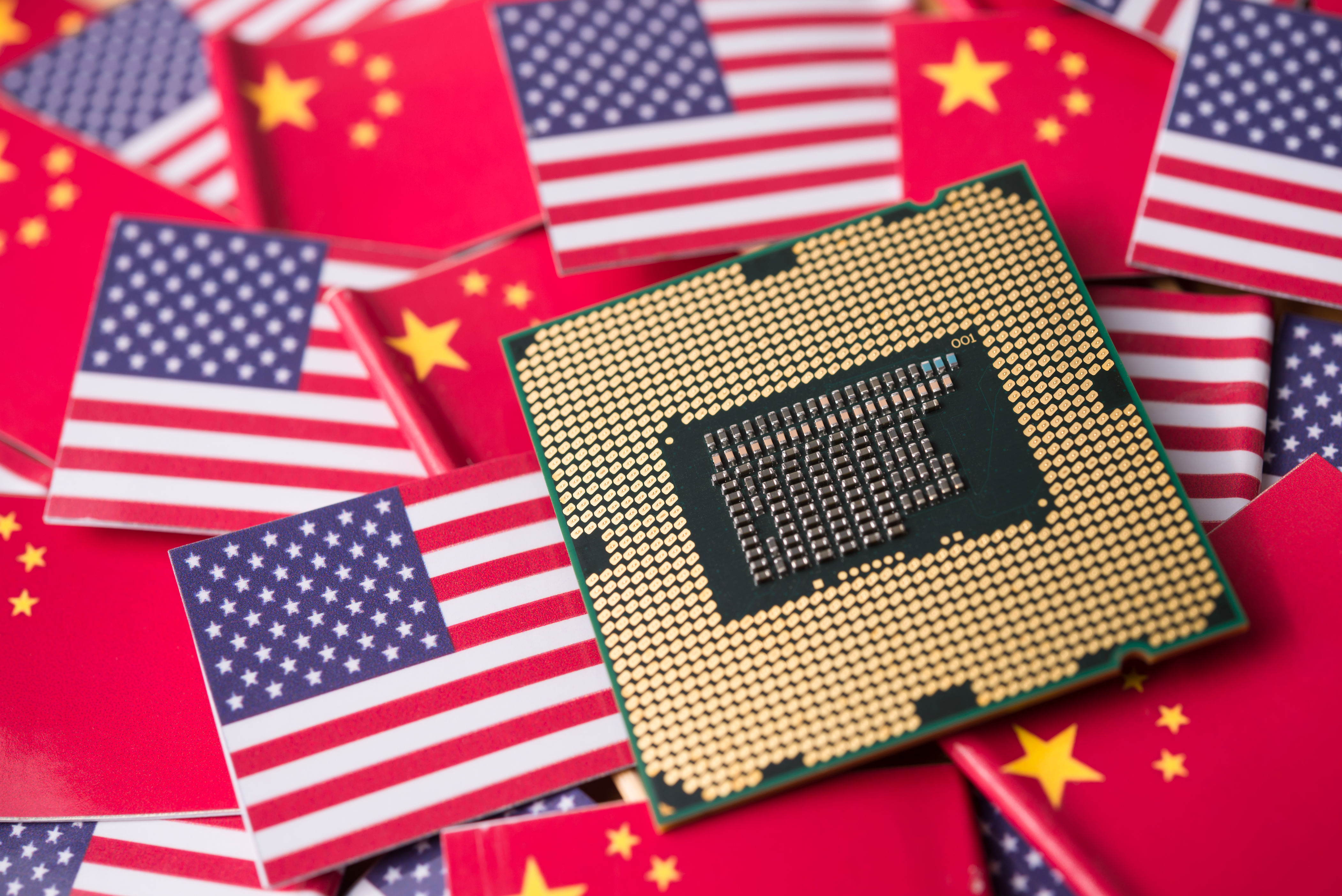
The Strategic Shift: Nvidia’s New Deal in China
Nvidia, a leading force in the semiconductor industry, has faced a tumultuous year in 2025. Despite initial setbacks that saw its market value drop by over $1 trillion, the company has since rebounded, reclaiming its position as the most valuable company in the world with a staggering $4.4 trillion market cap. This remarkable recovery has been driven by a combination of strategic moves and evolving market dynamics.
One of the most critical areas for Nvidia's growth is the Chinese market. While the majority of its revenue comes from the U.S. and Europe, China represents a significant opportunity—estimated at around $50 billion in AI-related potential. However, recent changes to tariff policies and export controls have posed challenges for Nvidia's operations in this region.
The Growing Importance of the Chinese Market
According to Deloitte, the global semiconductor market reached $627 billion in 2024 and is projected to grow at a compound annual growth rate (CAGR) of 19% over the coming decades, reaching $2 trillion by 2040. China plays a pivotal role in this growth, particularly in the demand for high-performance GPUs. In 2024, Nvidia generated $130 billion in revenue, with approximately 13% coming from China. During the first quarter of 2025, China accounted for roughly 12.5% of total revenue, indicating a consistent but constrained presence.
The current administration's policies toward China have started to impact Nvidia's growth potential in the region. However, after months of negotiations, it seems that a new deal may be on the horizon, potentially reshaping Nvidia's approach to the Chinese market.
The New Deal Structure: A Win-Win Scenario
Nvidia has reached an agreement with the U.S. government regarding its operations in China. Under the terms of this deal, Nvidia will pay 15% of its China-based sales to the U.S. government. This arrangement allows the company to access the Chinese market through its tailored H20 chips, which are designed for AI applications.
While this might initially seem like a tax, it is important to understand that the agreement applies to sales rather than profits. Unlike traditional taxation, the 15% rate does not fluctuate based on intellectual property or royalties. This structure is not uncommon in global business practices, as seen in energy companies that operate under similar revenue-sharing agreements with host nations.
For investors, this deal represents a strategic trade-off. By dedicating a modest share of sales to secure access to China, Nvidia can maintain its dominant position in one of the world's most important AI markets. This move also helps prevent domestic rivals such as Huawei from eroding its competitive moat.
Is Nvidia Stock a Buy?
Despite a recent expansion in Nvidia's forward price-to-earnings (P/E) ratio, the valuation remains relatively muted compared to previous peaks during the AI revolution. Part of this multiple compression reflects concerns surrounding China, which may be overly cautious. The new agreement in Washington offers Nvidia renewed momentum, securing revenue in a critical market without significantly impacting profits—especially considering the 15% remittance to the U.S. government.
In the long term, this arrangement could serve as a strategic mechanism for Nvidia to strengthen its position overseas and deliver durable growth across the global AI infrastructure market. As these fundamentals take hold, the company's valuation multiples could expand further, potentially driving the stock to new highs sooner than many investors may expect.
Conclusion
For investors considering whether to buy Nvidia stock, the company's new deal in China presents a compelling opportunity. With its strong market position, strategic partnerships, and a clear path to growth, Nvidia remains a key player in the AI and semiconductor industries. As the company continues to navigate the complexities of the global market, its ability to adapt and innovate will be crucial to maintaining its leadership in the years ahead.

Post a Comment for "Nvidia's China Deal: A Game-Changer in the Making"
Post a Comment