Northrop Grumman Moves to Phase II in Army Threat Detection Project
Overview of the ITDS Program
The Improved Threat Detection System (ITDS) is a key initiative by the U.S. Army aimed at modernizing aircraft survivability for Army Aviation. This program seeks to equip current and future platforms, such as the AH-64 Apache and the MV-75 Future Long-Range Assault Aircraft (FLRAA), with advanced missile warning and threat detection capabilities. The system will provide higher resolution two-color infrared sensor suites with a threat-agnostic approach to aircraft survivability.
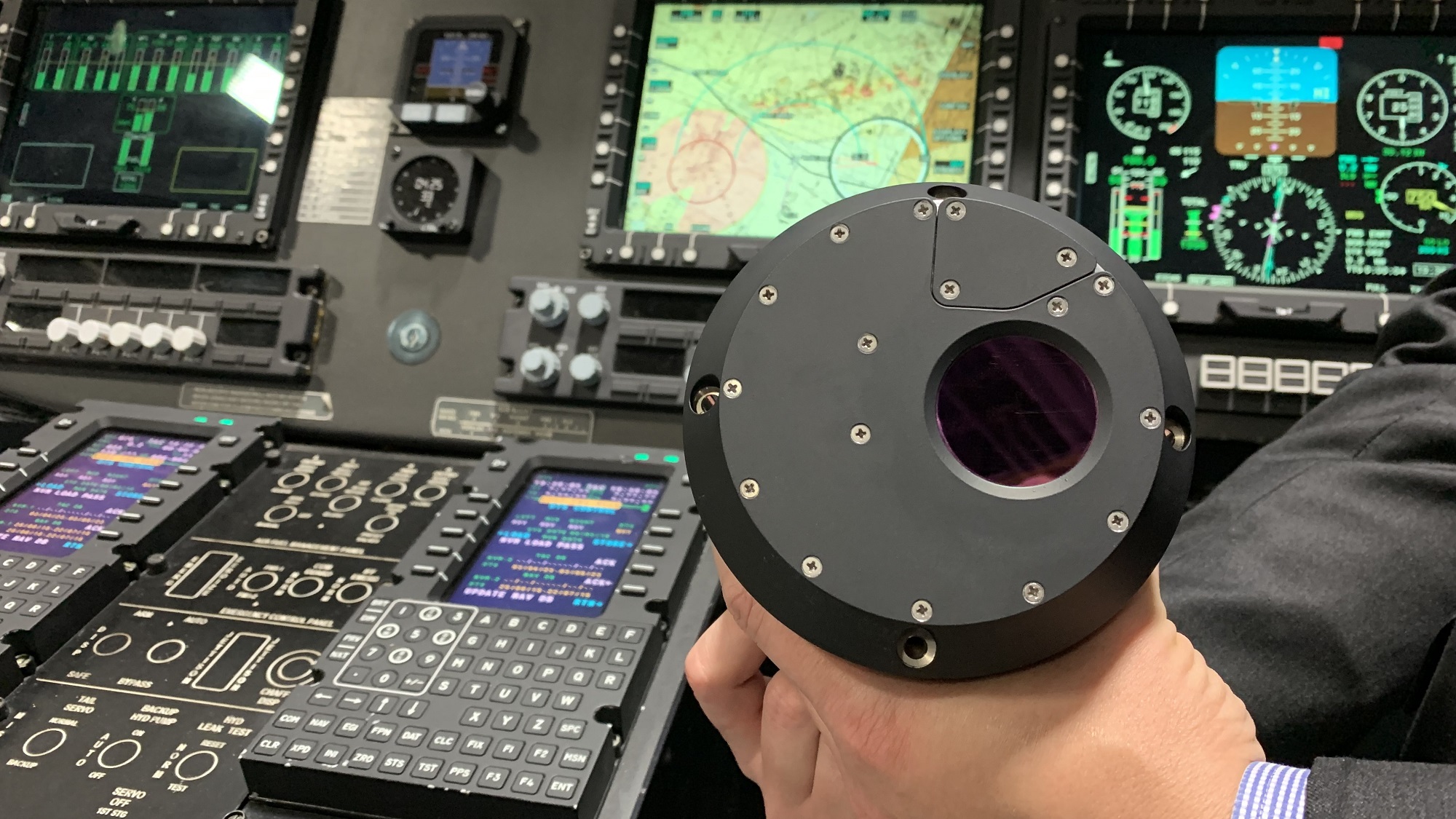
One of the central components of this effort is Northrop Grumman's Advanced Tactical Hostile Engagement Awareness (ATHENA) sensor. This next-generation system is designed to offer real-time situational awareness and counter evolving threats. It aims to replace the Common Missile Warning System (CMWS) currently used by the Army, providing enhanced capabilities in detecting, classifying, cueing, and declaring on existing and emerging Electro-Optical/Infra-red (EO/IR) threats.
Key Features of ITDS
The ITDS system is engineered to detect, classify, cue, and declare on both existing and emerging EO/IR threats. It also provides Hostile Fire Indications (HFI), differentiating between small arms and rocket threats. The system is interdependent with other systems, capable of cueing laser-based countermeasures (DIRCM) and deploying expendable countermeasures via Improved Countermeasure Dispensers (ICMD). The choice of countermeasure depends on the threat classification.
According to Col. Brock Zimmerman, PM ASE, "This critical capability is required for Army Aviation to maintain overmatch against near peer threats and enables advanced tactics through increased detection range, improved detection in clutter, and threat agnostic algorithms to rapidly respond to emerging threats and allow the execution of full spectrum multi-domain operations."
Phase I Achievements and Phase II Objectives
Phase I of the ITDS program focused on technology demonstration and maturation to evaluate vendor solutions and technical maturity. It concluded in May 2025 with over 51 hours of flight testing. The service selected Northrop Grumman and Lockheed Martin to provide solutions for Phase I. Army evaluators replicated tactics used in current combat operations, assessing the sensors' ability to detect, classify, and cue a wide range of threats, from small arms fire to anti-tank guided missiles and MANPADS. The tests evaluated the sensors' effectiveness in operationally realistic scenarios.
Phase II emphasizes the delivery of ITDS prototypes, including design refinement, demonstration testing, architecture evaluation, prototype application hosting, missile warning sensor characterization, and operational integration. Performance will be carefully evaluated during flight testing ahead of Phase III.
Future Outlook
The ITDS program is set to transition to the Middle Tier of Acquisition Rapid Prototyping pathway in the first quarter of Fiscal Year 2026. The Abbreviated Capability Development Document (A-CDD) approved in July 2025 calls for ten prototypes for testing and integration, and 100 fieldable systems. Rapid prototyping allows the Army to accelerate the delivery of advanced survivability technologies while retaining flexibility for iterative improvements based on operational feedback. This is critical to allow the service to counter emerging threats in multi-domain operations.
The ATHENA Sensor
The Advanced Tactical Hostile Engagement Awareness (ATHENA) is a staring, always-on sensor that provides continuous 360-degree coverage. It delivers high-resolution, wide-band threat detection and can rapidly geolocate incoming Electro-Optical/Infrared (EO/IR) threats, including hostile fire, rockets, anti-tank guided missiles, small arms, and larger-caliber weapons.
Dennis Neel, Northrop Grumman's Survivability Development Programs Director, said "ATHENA can see where pilots can't, even looking through an aircraft floor," offering situational awareness previously limited to larger platforms. ATHENA provides the ability, similarly to the F-35's Distributed Aperture System, to view any point in 360 degrees around the aircraft and even "look through" the aircraft floor.
Multiple sensor feeds are seamlessly stitched to create a full spherical view, allowing crews to monitor threats from any direction. The increased detection range, resolution, and processing power give pilots and countermeasure systems more time to respond to threats, improving survivability and mission success.
Integration with Existing Systems
ATHENA is designed to integrate with existing countermeasure systems, including Northrop Grumman's Common Infrared Countermeasure (CIRCM) suite, enabling automated or semi-automated responses. The company has previously defined ATHENA as the "eyes of CIRCM." Quick, precise threat location and trajectory data improve reaction times and effectiveness of existing protections. ATHENA's modular, scalable architecture supports legacy and future aircraft, networked battlefield data links, and integration with other survivability technologies.
As required by the Army, the system must be Modular Open Systems Approach (MOSA)-compliant and able to operate on a digital backbone, allowing quick integration and upgrades. This adaptability is crucial as Army Aviation operates in increasingly complex and contested environments.
Strategic Context
Legacy missile warning systems, such as the Common Missile Warning System (CMWS) and Limited Interim Missile Warning System (LIMWS), provided critical protection but were limited in coverage, detection speed, and adaptability. ATHENA addresses these gaps with broader coverage, threat-agnostic algorithms, and higher processing capability, helping Army Aviation maintain overmatch against near-peer threats and adapt to emerging challenges in multi-domain operations.
Army aircraft face increasingly sophisticated air defense networks, unmanned aerial systems, and advanced guided munitions. ATHENA can provide continuous, real-time threat monitoring, allowing aviators to concentrate on the mission while maintaining the situational awareness needed to operate effectively.

Post a Comment for "Northrop Grumman Moves to Phase II in Army Threat Detection Project"
Post a Comment