North Texas veterans lose VA in-home care support
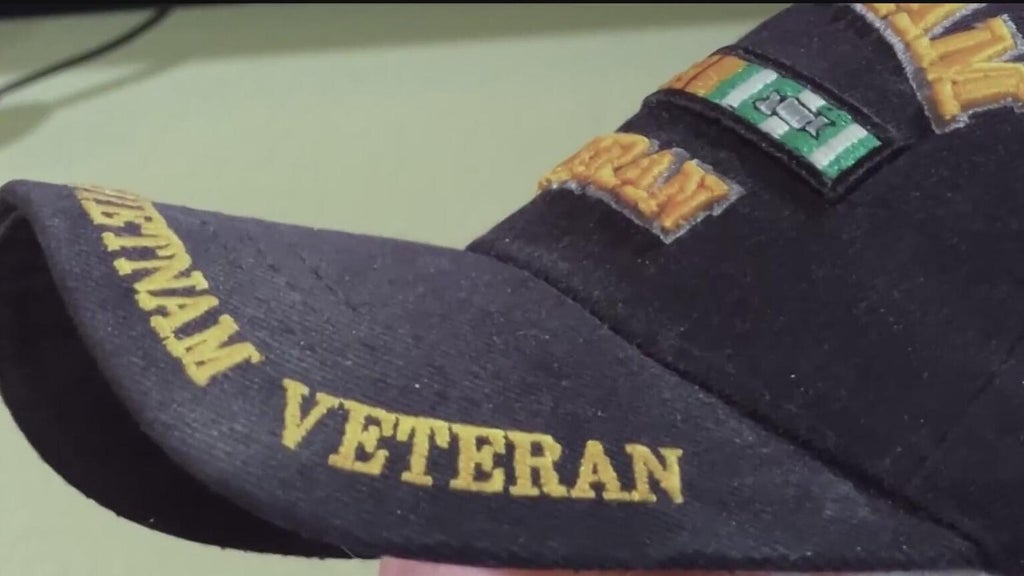
Rising Concerns Over Reduced In-Home Care for Veterans in North Texas
Veterans in North Texas who rely on federal funding for in-home care are facing significant challenges as they experience major reductions in the support they receive. These cutbacks are forcing some veterans to abandon their independence and move into assisted living facilities.
The CBS News Texas I-Team first highlighted this issue in April, revealing that many veterans were receiving fewer approved hours through the Department of Veterans Affairs' Homemaker Home Health Aide (H/HHA) Program. This program is designed to help veterans maintain their independence by providing assistance with daily tasks such as bathing, dressing, and housekeeping.
Despite an increase in the number of North Texas veterans enrolled in the H/HHA program, the percentage of veterans receiving more than 20 hours per week of in-home care has declined significantly. According to an analysis of VA data, the percentage of veterans receiving over 20 hours of care per week dropped from 37% in June 2024 to 11% in June 2025.
A VA spokesperson acknowledged there had been some confusion about the scope of the program. To address this, the VA North Texas Health Care System implemented a new system to ensure that hours are approved consistently and correctly.
Veterans Forced to Leave Their Homes
One affected veteran is an 80-year-old Marine from Denton who suffers from cancer linked to exposure to Agent Orange during the Vietnam War. He requested anonymity due to concerns about retaliation. The VA assigned him a 100% disability rating, which determines his eligibility for benefits.
This veteran was previously receiving 37 hours of in-home care each week, allowing him and his wife, who has Alzheimer's disease, to remain in their home. However, last summer, the VA reduced his care to just 13 hours per week. Without adequate support, he was forced to move into an assisted living facility.
"I can't take care of my wife because I can't get help for me," he said, struggling to hold back tears. "That's what's hurtful about it."
Nagraj Venkataraman, owner of BrightStar Care of Denton, a home health care agency, noted that all his veteran clients in the program—more than a dozen—have experienced similar cuts. He emphasized the importance of supporting veterans, stating, "If there is one segment of the population that needs help, it's our veterans. It's our duty to give back to them. That shouldn’t be a cliché. It should be real."
From 24/7 Care to 50 Hours Per Week
Marine veteran James Carey of Heath, Texas, knows the impact of these cuts firsthand. Fifteen years ago, a training accident at Camp Pendleton left him with a traumatic brain injury. Now 38, Carey is blind, unable to move his body, and suffers from dementia.
Until this year, Carey received around-the-clock care from the VA. However, in January, the VA reduced his care to 16 hours per week. After multiple appeals, his hours were increased to 50—still far less than what he had been receiving.
His mother, Kim Carey, has been his primary caregiver but admits she cannot do it alone. She expressed frustration, saying, "Why do we have to keep paying that price every day? Why do we have to beg the VA to give him the benefits he earned?"
VA Offers Alternative Care Options
The VA maintains that no national policy has changed. In a statement, the VA told the I-Team that there had been some confusion about what the H/HHA program covers, clarifying that it is "not meant for housekeeping or 24/7 care." However, the VA’s own website lists housekeeping in a video as one of the services the program can provide—and does not mention any limits on hours.
In 2024, the VA North Texas Health Care System provided H/HHA services to 7,939 veterans, and so far in 2025, that number has risen to 8,196. The VA also highlights other services available to veterans, including the Caregiver Support Program, medical foster homes, and nursing homes.

Post a Comment for "North Texas veterans lose VA in-home care support"
Post a Comment