North Carolina Democrats Side With Republicans on Key Bills
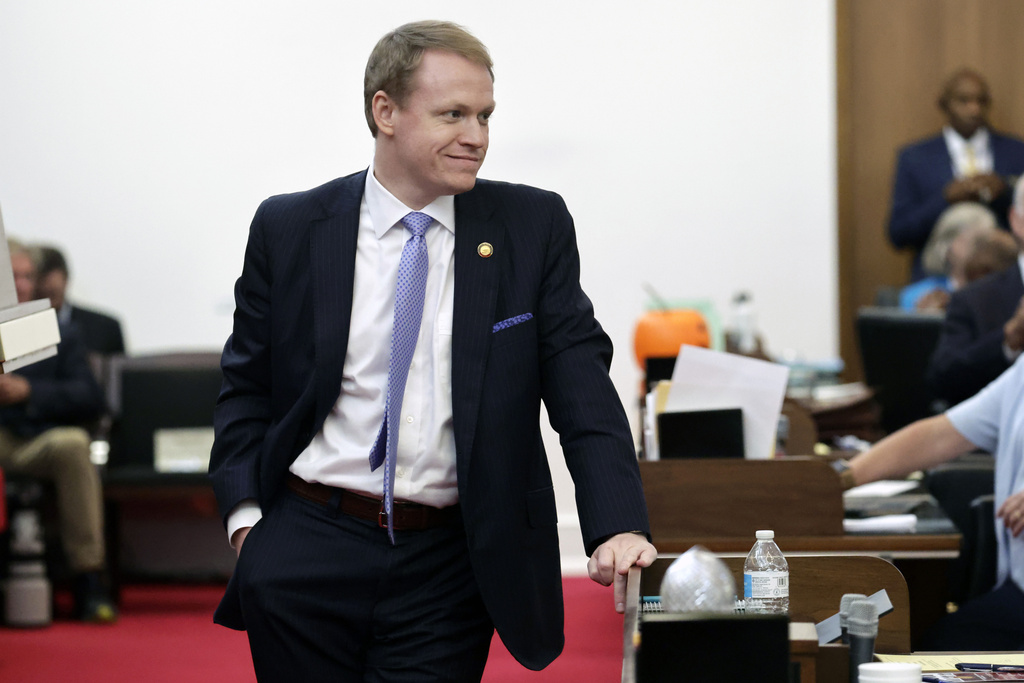
North Carolina Republicans Overrule Governor on Key Legislation
North Carolina Republican lawmakers have successfully overridden several of Governor Josh Stein’s vetoes, marking a significant shift in the state's political landscape. The session saw a mix of successes and setbacks for the GOP as they attempted to push forward their conservative agenda.
The votes were crucial for the Republican General Assembly leaders, who lost their veto-proof majority after last fall’s elections. Despite this, both chambers managed to pass eight out of 14 vetoed measures. These included laws targeting transgender rights, allowing firearms on private school property, and eliminating an interim greenhouse gas reduction mandate.
In the House, Republicans are one seat short of having the ability to override vetoes at will. However, they were able to secure support from one to three Democratic lawmakers on some measures. House Speaker Destin Hall expressed confidence in the party's ability to maintain a working supermajority, stating, “It depends on what the issue is, but on most issues, we're going to have a working supermajority.”
Democratic leaders, however, managed to keep some of Stein’s vetoes intact. This means that GOP efforts to allow adults to carry concealed handguns without a permit and to eliminate DEI initiatives are currently stalled. Democratic Rep. Pricey Harrison acknowledged the situation, saying, “It's a heck of a way to do policy,” and noted that the party might revisit these issues if the numbers change.
Transgender Rights Bill Faces Setbacks
One of the most contentious bills involved transgender rights. Initially introduced as a bipartisan measure aimed at curbing sexual exploitation on pornography websites, the legislation later included provisions that recognized only two sexes and prevented state-funded gender transition procedures for prisoners.
House Democrats failed to uphold the governor’s veto on this bill when one of their own members, freshman Rep. Dante Pittman, voted against it. Another Democrat, Rep. Nasif Majeed, joined Republicans in overriding the veto. Majeed explained his decision by citing moral concerns, stating, “I had some moral issues about that and I had to lean on my values.”
DEI Initiatives Remain Protected
In a major victory for Democrats, they managed to block three bills that would have restricted diversity, equity, and inclusion (DEI) programs across the state. These bills targeted K-12 schools, public universities, and community colleges by banning certain "divisive concepts" and "discriminatory practices" related to race and identity. Another bill sought to prevent state agencies from implementing DEI programs or using them in hiring practices.
Despite the current setback, House Speaker Destin Hall remains optimistic about future efforts to override these vetoes. He stated, “If people are out and the numbers are there, we're going to vote to override.”
Mixed Results on Gun and Immigration Policies
Republicans focused heavily on gun and immigration legislation during the session, but not all their proposals succeeded. A bill allowing permitless concealed carry for eligible individuals over 18 did not make it through the House, facing an uphill battle after two Republicans voted against it with Democrats earlier in the month.
Additionally, House Republicans failed to call a vote on legislation requiring law enforcement agencies to cooperate with federal agents in the Trump administration’s immigration crackdown. However, other gun and immigration-related bills moved forward. One bill allowed certain individuals to carry firearms onto private school property with administrative permission, while another expanded the offenses that require local sheriffs to check a detained person’s legal status.
Greenhouse Gas Mandate Repealed
Another significant development was the repeal of an interim greenhouse gas reduction mandate. Enough Democrats joined Republicans to override Governor Stein’s veto on legislation affecting Duke Energy, the state’s primary electric utility. The new law partially repeals a 2021 bipartisan law that required reducing carbon dioxide output by 70% from 2005 levels by 2030. However, the directive to achieve carbon neutrality by 2050 remains in place.
Republicans argued that the 70% reduction mandate was unnecessary and that its removal would help moderate electricity rate increases. Governor Stein and environmental groups opposed the measure, warning that it could lead to higher consumer rates due to increased reliance on natural gas for electricity generation.

Post a Comment for "North Carolina Democrats Side With Republicans on Key Bills"
Post a Comment