North Carolina Becomes 18th State to Define Gender Roles
North Carolina Enacts Law Defining Men and Women in State Law
North Carolina has taken a significant step by defining men and women through state law, becoming the 18th state to do so. This move comes after the General Assembly successfully overrode a veto from Democratic Gov. Josh Stein, marking a major victory for those advocating for the protection of women's spaces and rights.
The override was achieved with strong bipartisan support, as both chambers of the legislature secured the necessary three-fifths majority. Tennessean Riley Gaines and North Carolinian Payton McNabb were among the key figures who supported the legislation. Their efforts played a crucial role in ensuring that the law would be enacted. Additionally, Mecklenburg County Democratic Rep. Nasif Majeed contributed significantly by crossing party lines, helping all 71 Republicans meet the required threshold. His absence during the first vote allowed freshman Rep. Dante Pittman to change his vote at a recent event, further solidifying the bill’s passage.
The Senate vote on the override was 30-19, while the House passed it with a margin of 65-43. The Senate also approved the bill earlier with a 27-4 vote, as 15 Democrats either did not vote or were excused.
Key Provisions of the Legislation
House Bill 805 not only defines male and female in state law for clarity in legal and policy matters but also introduces several important provisions. It prohibits gender transitions funded by taxpayers involving prisoners and minors. The law states that biological sex is determined by reproductive potential or capacity and takes effect immediately.
This legislation builds upon an executive order from former Republican President Donald Trump, which defined boys and girls. Additionally, it upholds parents' right to know about materials shown to their children in school. It also protects girls’ private spaces and sleeping quarters during overnight school trips.
Another critical component of the bill is the introduction of age verification and consent requirements for individuals appearing in adult images. It also includes mechanisms for removing such content and enforcing these regulations.
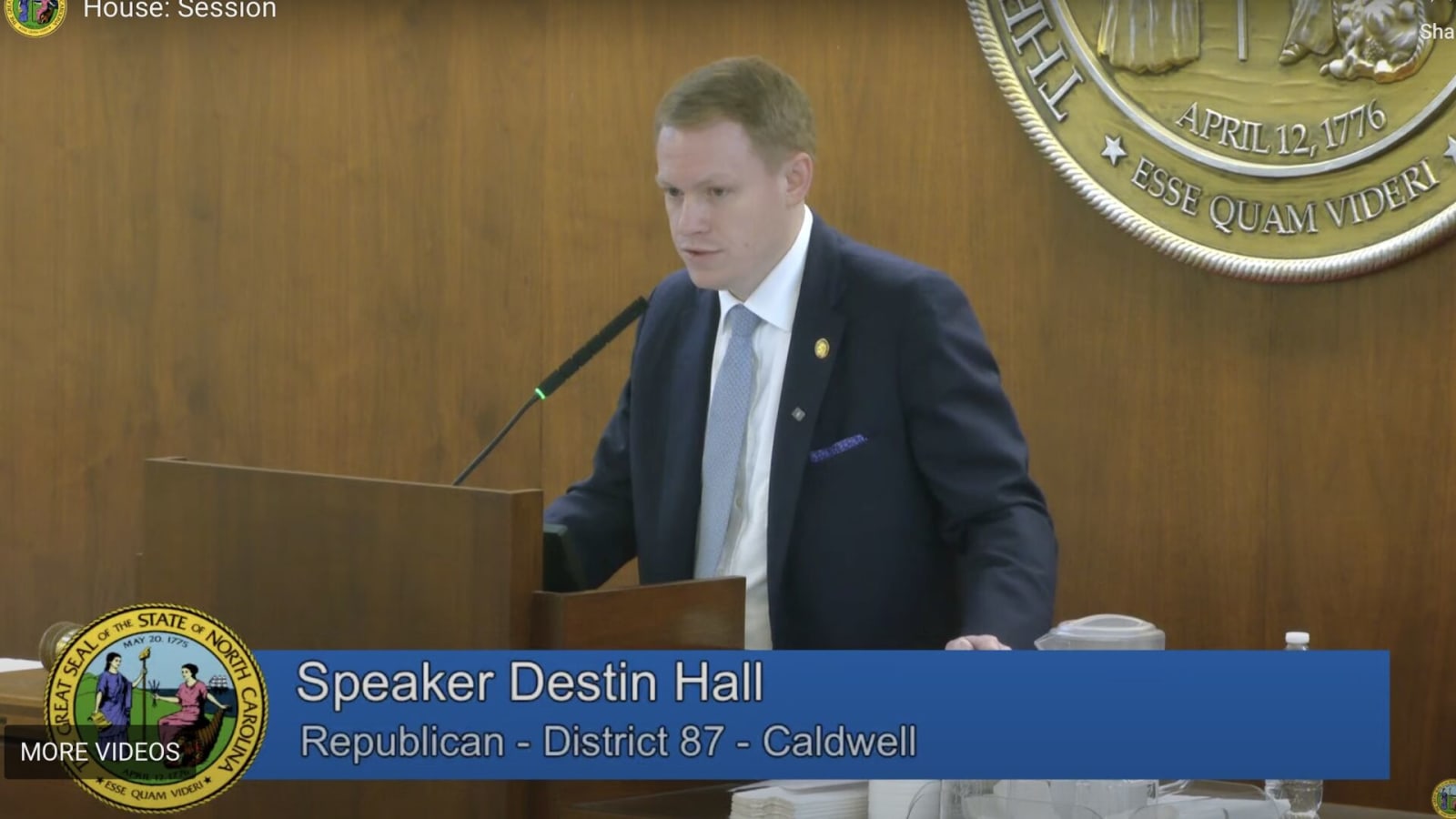
House Speaker Destin Hall, R-Caldwell, emphasized the importance of these measures, stating that they are essential for ensuring safety and fairness in various contexts.
Voices in Support
Payton McNabb, a communications student at Western Carolina University, shared her perspective on the significance of the law. In a statement released through Independent Women, where she serves as an ambassador, she expressed gratitude for the override, calling it a vindication of the abuse she endured in North Carolina due to radical gender ideology. She highlighted her pride in the General Assembly’s previous decision to protect women’s sports and praised the state for taking this critical step to define “woman” and safeguard women’s rights.
McNabb’s journey to advocate for this legislation began after a physical and emotional injury she sustained during a high school volleyball match in September 2022. The incident ended her high school career and motivated her to speak out before the General Assembly on the Fairness in Women’s Sports Act of 2023.
She also faced challenges when Western Carolina University filed a Title IX lawsuit against her following an incident in a bathroom. Although cleared of harassment, she was removed from her sorority and is now transferring schools.
Criticism and Opposition
Despite the legislative success, Governor Stein strongly opposed the bill, arguing that it engages in divisive culture wars. In his veto message, he stated that North Carolina has experienced similar issues before and that this approach is a dead end. He emphasized his belief in treating everyone as children of God, regardless of differences, and criticized the legislation for targeting vulnerable people.
Megan Burke, a two-time NCAA champion and writer for the Carolina Journal, echoed concerns about the impact of the law on women and voters in North Carolina. She urged the legislature to stand up for safety, fairness, and the biological reality that underpins the protection of women’s rights.
On social media, Riley Gaines, a former All-American swimmer from Kentucky, expressed her support for the bill, adding an emphatic "Boom" and clapping hands to highlight its significance.
Conclusion
North Carolina’s enactment of this law marks a pivotal moment in the ongoing debate over gender identity and the rights of women. With clear definitions and protections in place, the state aims to ensure fairness and safety for all citizens. As the 18th state to take such a step, North Carolina continues to shape the national conversation on these critical issues.

Post a Comment for "North Carolina Becomes 18th State to Define Gender Roles"
Post a Comment