Night Vision Tech: Power and Pitfalls Revealed
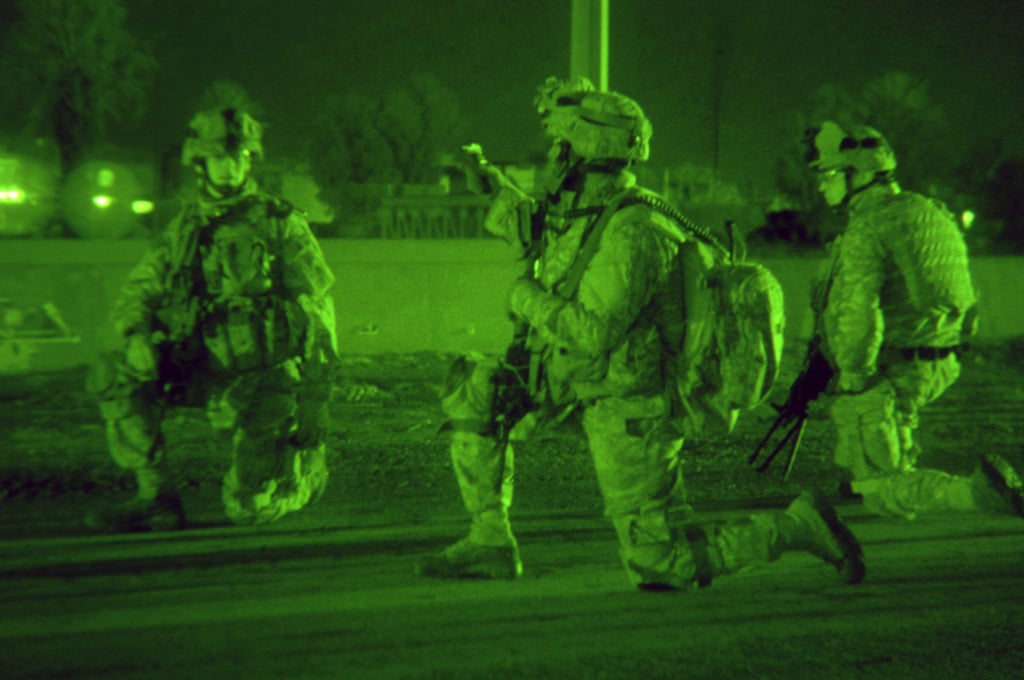
The Evolution and Impact of Night Vision Technology
In recent years, night vision technology has transitioned from its traditional use in military applications to a growing number of civilian uses. This shift has sparked discussions about whether it is a worthwhile investment for individuals looking to enhance their safety, recreational activities, or overall situational awareness. With the ability to navigate low-light or dark environments, night vision devices such as goggles and binoculars offer transformative benefits that can significantly improve experiences in various aspects of life.
One of the most notable advantages of night vision technology is its ability to enhance security. In a world where personal safety is a constant concern, many people are turning to devices that allow them to detect intruders or potential threats in the dark. Imagine being able to patrol your property at night with confidence, knowing you can observe what's happening around you even when natural light is scarce. This is particularly beneficial for those living in rural areas where security measures may be less robust. By integrating night vision into home security systems, individuals can gain peace of mind, knowing they have the ability to monitor their homes, families, and belongings even under the cover of darkness.
Beyond security, night vision technology opens up new possibilities for recreation and exploration. For outdoor enthusiasts, camping becomes an entirely different experience. Picture walking through the woods at night with the aid of night vision goggles, allowing you to see in green-tinted vision. This enables wildlife observation, offering a unique opportunity to witness nocturnal animals in their natural habitats and gain a deeper understanding of their behaviors. Stargazing also becomes more accessible, as users can explore the night sky without the interference of artificial light sources like flashlights.
Wildlife photographers and observers also benefit from night vision technology. Many animals are most active during the night, making it essential to capture their behaviors and interactions. Night vision allows these professionals to document nighttime activities, contributing to a better understanding of ecosystems and wildlife patterns.
There are two primary types of night vision technology: image intensifiers and thermal imaging. Image intensifiers work by amplifying existing light, making it visible in low-light conditions. This technology is widely used in military operations, law enforcement, and security surveillance. It allows users to engage in activities such as hunting, camping, and other nighttime pursuits, where clear visibility is crucial.
Thermal imaging, on the other hand, detects temperature differences rather than relying on light. This means that even in complete darkness, users can identify warm bodies or objects. This capability is especially useful for search-and-rescue operations and detecting intruders. Thermal imaging provides a level of visibility that is not limited by the presence or absence of light, making it a valuable tool in various scenarios.
When considering an investment in night vision technology, cost is a significant factor. Prices for night vision equipment vary widely depending on the quality and type of technology used. Entry-level systems can start at several hundred dollars, while high-end models can reach into the thousands. Potential buyers must weigh the perceived value for money against their specific needs and budget. With so many options available, it is essential to research and compare different models to find the best fit for individual requirements.
Legal considerations also play a crucial role in the use of night vision technology. Regulations regarding the sale and use of these devices can vary by region. Some areas may impose restrictions on certain activities, such as hunting or surveillance, requiring permits for ownership. Understanding local laws is critical to avoid legal complications, including fines or confiscation of equipment. In some regions, the laws may be more lenient, while in others, they may be stricter, highlighting the importance of being informed before making a purchase.
While the benefits of night vision technology are undeniable, there are also risks and side effects to consider. Prolonged use of night vision devices can lead to eye strain, especially when exposed to bright lights amplified by the technology. This can reduce visual acuity and diminish the very benefits the devices are designed to provide. To minimize these risks, users should take regular breaks, use protective eyewear, and adjust brightness settings when possible.
Another concern is the potential impact on natural night vision abilities. Studies suggest that over-reliance on night vision technology may impair an individual’s ability to see in low-light conditions without assistance. This creates a paradox where users might actually harm their own vision capabilities, emphasizing the need for a balanced approach to using such technology.
Ultimately, investing in night vision technology requires careful consideration of its benefits, costs, legal implications, and potential risks. As this technology continues to evolve and become more accessible to civilians, it is important to stay informed and make responsible decisions. Balancing the advantages of enhanced visibility with the associated challenges will ensure that users can fully utilize the technology while minimizing negative consequences. By understanding the complexities involved, individuals can make informed choices that align with their needs and values, leading to a more satisfying and safe experience with night vision technology.

Post a Comment for "Night Vision Tech: Power and Pitfalls Revealed"
Post a Comment