NHS to Share Strike Impact as Doctors Resume Work
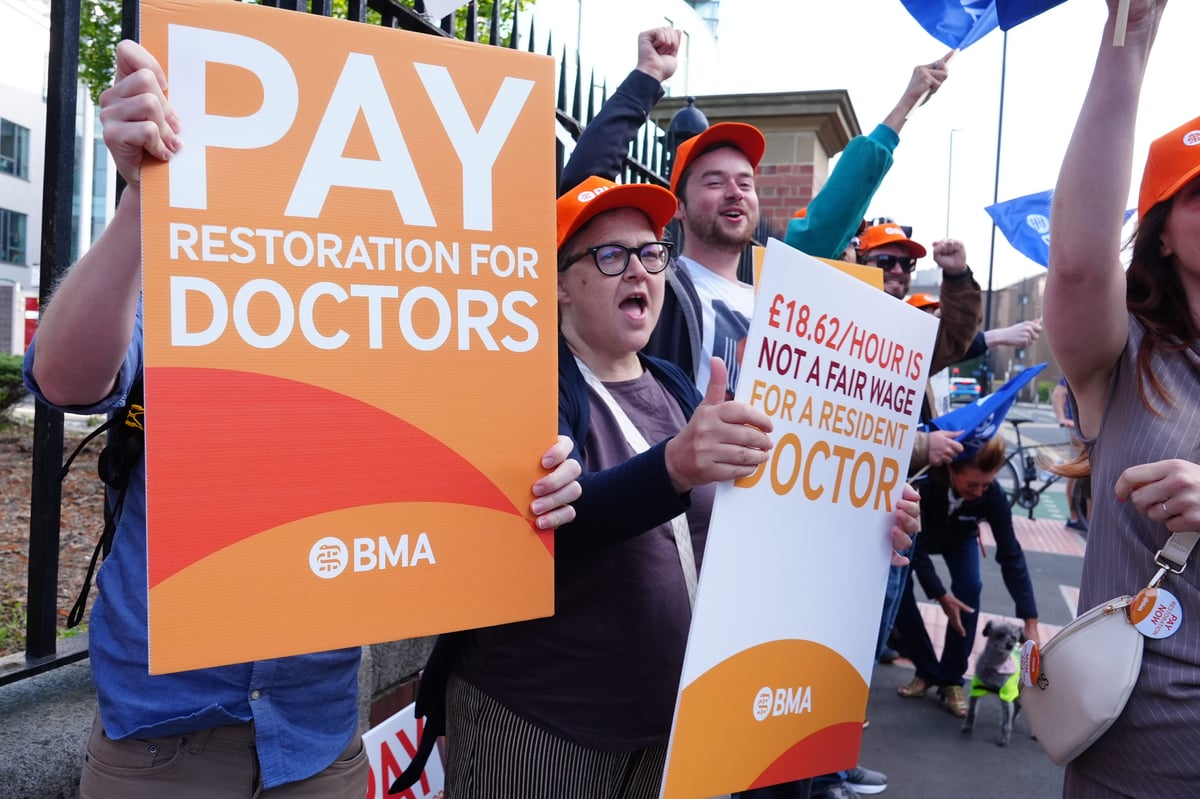
NHS Disruption in England Eases as Resident Doctor Strikes Conclude
The recent disruption caused by the strike action of resident doctors in England is expected to come to an end. The five-day walkout has concluded, and officials are preparing to release details on the number of appointments, procedures, and operations that were postponed. According to reports, the impact is anticipated to be less severe compared to previous strikes.
Both the government and the British Medical Association (BMA) have expressed a willingness to continue discussions with the aim of preventing further industrial action. Hospital leaders, however, have urged the BMA to recognize that the government is not in a position to offer additional pay raises ahead of upcoming talks.
The Resident Doctors Committee (RDC), part of the BMA, has not ruled out future actions but has indicated a willingness to re-enter negotiations with Health Secretary Wes Streeting. Dr. Melissa Ryan, co-chairwoman of the RDC, emphasized that there is no need for any day of strike action. She stated that Mr. Streeting knows what he must do to resolve the dispute and that a credible offer is necessary to end the conflict.
The union has initiated a “linked dispute” with the government over the limited availability of training positions for doctors. The BMA highlighted that this year, more than 30,000 resident doctors applied for just 10,000 specialty training places. A recent poll of 4,400 doctors revealed that 52% of those completing their second year of training—when they begin specialty training—do not have substantive employment lined up from August.
In a statement, the co-chairs of the RDC noted that this situation could leave thousands of UK doctors in employment limbo at a time when patients desperately need their care.
Mr. Streeting has expressed readiness to discuss real improvements to the working conditions of resident doctors, although he cannot commit to further pay increases. He mentioned that the decision was made to cancel as few planned care services as possible this year, and he praised the efforts of the staff, stating that more patients received the care they needed compared to previous years.
Despite this, Mr. Streeting acknowledged the frustration caused by the strikes and expressed his willingness to resume talks with the BMA leadership. He emphasized that after a 28.9% pay rise over the last three years, the government cannot provide further increases this year. However, he believes there are opportunities to improve working conditions, including training positions and career progression.
Rory Deighton of the NHS Confederation urged the BMA to recognize the financial constraints of the government and warned that further strikes could cause more disruption, delays, and risks to patient safety. He hopes the BMA will consider the impact of strikes on both patients and staff before calling for more walkouts.
NHS officials have stated that cancelled bookings will be rescheduled within two weeks but have warned of potential knock-on effects for other patients. During previous junior doctor strikes, most routine care was postponed, allowing remaining hospital doctors to focus on urgent and emergency services. However, during the latest walkout, hospitals were instructed to maintain as much routine care as safely possible, which led to accusations from the BMA that patient safety was compromised.
On social media, the BMA shared information about derogation requests made by hospitals, which involve asking striking doctors to return to work due to concerns about patient safety. In some cases, these requests were revoked, leading to further tensions.
Meanwhile, Mr. Streeting is also seeking to address the concerns of other NHS staff groups, as their pay deal was rejected by two unions and is expected to be rejected by nurses as well. The Royal College of Nursing, representing hundreds of thousands of nurses across England, is currently consulting its members on a 3.6% pay award for 2025/26. It is likely that nurses will reject the offer, increasing the risk of further industrial action in the NHS.
Health workers from the GMB and Unite unions have also rejected the pay offer, intensifying the pressure on the healthcare system. As the NHS continues to navigate these challenges, the focus remains on finding solutions that balance the needs of staff, patients, and the broader healthcare system.

Post a Comment for "NHS to Share Strike Impact as Doctors Resume Work"
Post a Comment