NFTA Unveils Environmental Study for Metro Rail Expansion
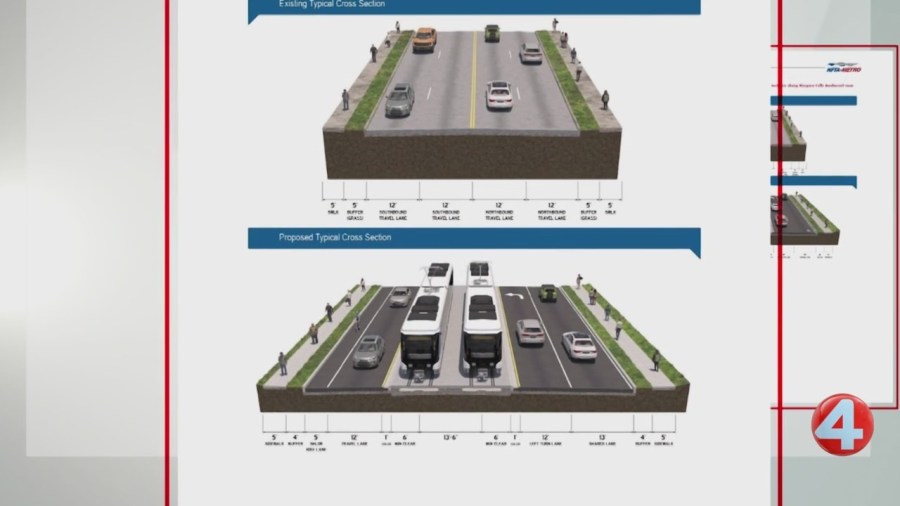
Buffalo Metro Rail Expansion Gains Momentum
The long-anticipated Metro Rail project connecting downtown Buffalo to the University at Buffalo’s three campuses may be moving forward faster than many anticipated. A draft environmental impact study has been released, reigniting discussions about the proposed expansion and its potential effects on the community.
For years, the idea of extending the Metro Rail system through the Buffalo-Amherst-Tonawanda corridor has been a topic of debate. Now, with the release of the study, both support and concerns are being voiced by residents and local stakeholders.
“This will save the environment a lot and will reduce traffic on North Port Highway considerably,” said Jim Gordon, treasurer of Citizens for Regional Transit. However, not everyone shares this optimism.
“You see what happened in downtown Buffalo, they ruined all of those businesses,” said John Misso, owner of Sun City Mattress. His concerns reflect a broader apprehension among some local business owners who fear the project could disrupt their operations.
The Buffalo-Amherst-Tonawanda Corridor Transit Expansion Project, proposed by NFTA Metro Rail, aims to extend the current Metro Rail route from University Station to KeyBank Center, passing through the towns of Amherst and Tonawanda, and eventually reaching UB’s North Campus and I-990.
“Our mission here at the NFTA is to look for opportunities to enhance access throughout the community,” said Jeffery Amplement, planning projects manager for NFTA Metro. The proposed route would add 10 new stops, allowing travelers and students from University Station to reach UB North Campus in just 15 minutes.
“It gets really crowded and sometimes we have to wait for maybe like 20 minutes for the bus,” said Sri Shakunthala Yerneni, a UB master’s student. “It would be really helpful if we could catch the metro to the North Campus directly.”
This month, the NFTA released its Draft Environmental Impact Statement (DEIS), addressing major concerns from residents. “They’re addressing noise complaints,” Gordon said. “They’re addressing what’s going to happen with blasting, what things they’re going to do to mitigate any kinds of bad effects from the construction.”
“We’re committed to the mitigation measures that are identified within the document,” Amplement said. The project is currently considering three alternatives: do nothing, introduce Bus Rapid Transit (BRT), or move forward with Light Rail Transit (LRT). LRT is the preferred option, with projections showing $1.7 billion in economic growth, a 32% increase in property tax revenue, and service expansion to 30% more transit-dependent riders.
“The highest ridership and the most economic development potential would serve the most activity centers was the light rail alternative,” Amplement said. “At the end of the day, it’s the option that best positions us to compete for federal funding.”
The DEIS reveals that construction could impact 192 properties, with 14 commercial properties facing displacement, particularly along Niagara Falls Boulevard. Those affected will be offered relocation assistance and compensation. Among the impacted businesses are Lombardo Funeral Home and Sun City Mattress.
In a statement, Lombardo Funeral Home said they are “actively monitoring the project and intend to participate in the public comment period.” But Misso is strongly opposed. “I’m totally against it. We don’t want to sell it. We don’t want to move. We’ve been here 23 years.” Misso also claims he was not contacted by the NFTA directly and only found out through a news call. Many homes along Niagara Falls Boulevard have displayed signs opposing the project for years.
Another concern is the estimated $70,000 annual loss in school property tax revenue for the Sweet Home School District due to the displacements, but the NFTA officials remain optimistic. “You would see an increase in property values throughout the corridor, not just the 14 properties you’re referencing, but a net increase rate, so that’s actually probably better for the school district,” Amplement said.
The total cost of the project is estimated at nearly $2 billion, with construction expected to begin by 2027 and the first passengers projected to ride in 2032. At this time, public comment is open until Sept. 8. A public hearing will be held at 6 p.m. on Aug. 19 at Sweet Home Middle School.

Post a Comment for "NFTA Unveils Environmental Study for Metro Rail Expansion"
Post a Comment