Newsom's Plan to Simplify Oil Drilling Permits
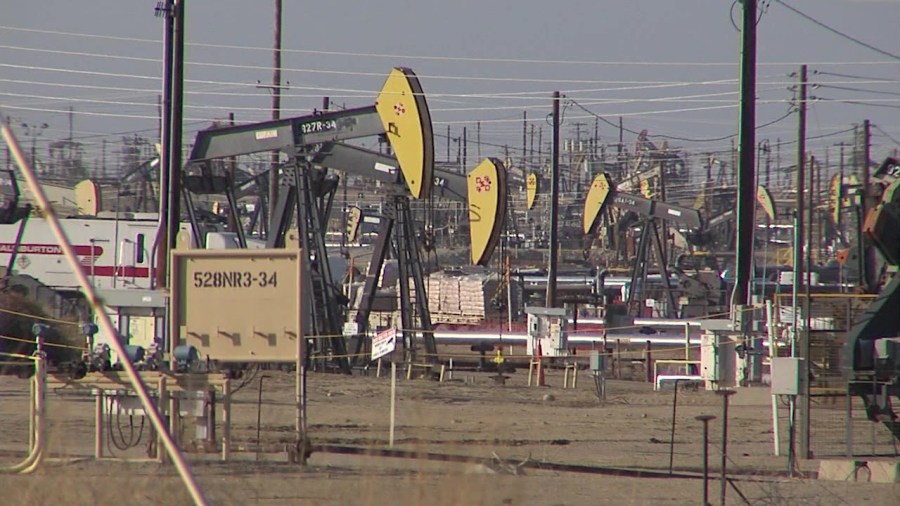
California Governor Proposes Streamlined Oil Drilling Permits
Governor Gavin Newsom has introduced a new bill aimed at simplifying the process for obtaining permits for new oil wells in California. This proposal has sparked significant debate, with environmental groups expressing concerns that it could reduce oversight of the oil industry. The move comes as several major refineries, including those operated by Phillips 66 in Los Angeles and Valero in Benicia, have shut down due to increased regulatory pressures.
The proposed legislation introduces a "plug-to-drill" permitting system that would require two existing wells to be plugged and abandoned before a new one can be drilled. This policy is set to remain in effect until 2036. Additionally, drillers would no longer need approval from the Geologic Energy Management Division (CalGem) for new wells, provided they meet specific conditions. This marks a dramatic shift for Newsom, who has previously been a vocal opponent of new oil drilling initiatives.
Environmental organizations argue that this expansion could pose serious risks to both public health and the natural environment. Bill Magavern, Policy Director for the Coalition for Clean Air, highlights the significance of Kern County in the governor's plan. He states that the governor appears to be pushing for new oil drilling in Kern County specifically, aiming to bypass current environmental review processes to achieve this goal.
Supporters of the measure, however, believe that increased drilling will provide economic benefits to the state. State Senator Tony Strickland (R-Huntington Beach) argues that this initiative will help create jobs and ensure a more reliable supply of cleaner oil compared to sources from other countries. He emphasizes the potential for California to become energy independent, which he claims would benefit both the economy and the environment.
Chad Hathaway of Hathaway Oil notes that expanding and rebuilding Kern County’s gas drilling infrastructure will take time. He points out that Kern County is the primary hub for oil and gas production in California, producing over 70% of the state’s crude oil. Hathaway acknowledges the challenges ahead, particularly in bringing back contractors and workers to the area. Many businesses left the region during periods of reduced activity, making it difficult to restart operations.
He explains that the number of active refineries in the area has drastically decreased, from around 50-60 to just a few. This decline has led to the closure of many businesses, creating a gap in the workforce and infrastructure needed for oil drilling.
In June, the Kern County Board of Supervisors unanimously approved a revised oil and gas ordinance allowing approximately 2,700 new wells per year in unincorporated areas. Although this decision is still under judicial review, it, combined with the governor’s proposal, could lead to a significant increase in oil drilling activities in Kern County.
This development raises important questions about the balance between economic growth and environmental protection. As the state moves forward with these proposals, stakeholders will be closely watching how the policies are implemented and their long-term impacts on both the economy and the environment.

Post a Comment for "Newsom's Plan to Simplify Oil Drilling Permits"
Post a Comment