New Zealand Heroes Trek 5,000 Miles Through Darkness to Save U.S. Scientists in Antarctica
A Heroic Mission in the Harshest Conditions
A team of courageous Royal New Zealand Air Force (RNZAF) personnel undertook a 5,000-mile round-trip in total darkness to rescue three American scientists from Antarctica. This mission took place amid volatile weather and the challenges of 24-hour night, showcasing the bravery and dedication of the crew.
The RNZAF troops embarked on their journey on Wednesday to save the trio from the U.S. McMurdo Station, which is located in one of the most extreme environments on Earth. A statement from the New Zealand Defence Force confirmed that one individual required "urgent" medical care, while two others needed medical attention. All three were successfully evacuated back to New Zealand.
The emergency call-out was initiated by the American National Science Foundation, though specific details about the medical issues have not been disclosed. The mission highlighted the critical role of international cooperation in responding to emergencies in remote locations.
Navigating Extreme Conditions
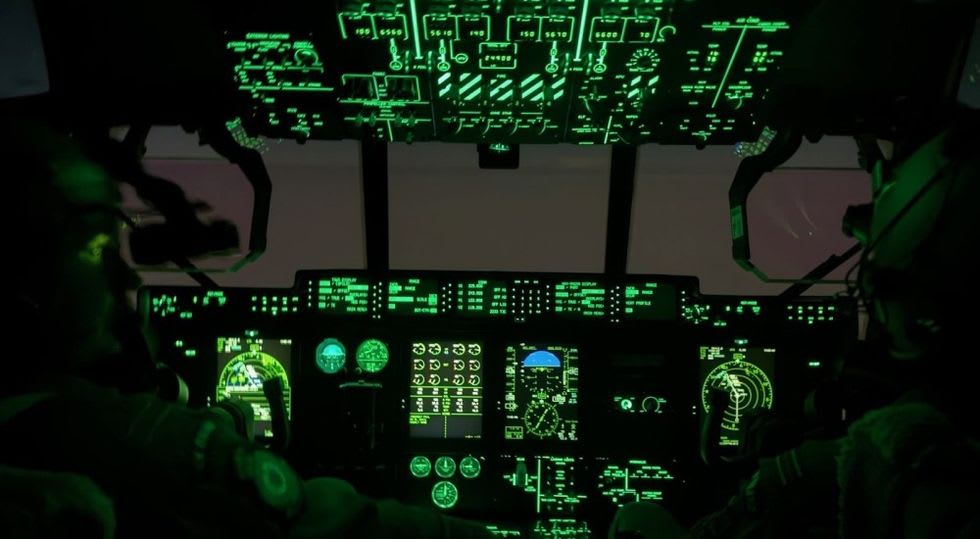
The RNZAF deployed a C-130J Hercules transport aircraft from Christchurch to Antarctica—a 2,400-mile trip. The crew was equipped with night vision goggles, enabling them to navigate through the harsh conditions of the Antarctic winter. Air Commodore Andy Scott emphasized that evacuations during this time are among the most challenging for the RNZAF.
Temperatures in parts of Antarctica can drop as low as -70°C, and violent storms can appear suddenly. These factors make accurate weather forecasting extremely difficult. Additionally, the journey includes a "point of no return," where there are no airfields available for diversion if needed. This makes every mission in the region highly risky.
Preparing for the Journey
Before the flight, the Hercules craft was pre-positioned from Auckland to Christchurch on Sunday afternoon. The crew waited for a specific weather window to ensure the safety of the mission. On Tuesday afternoon, they made the decision to proceed with the flight.
Once the team arrived in Antarctica, the plane's engines were left running to keep the crew warm while refueling. This step was crucial in preventing the aircraft from being affected by the extreme cold.
A Successful Evacuation
The entire evacuation process took approximately 19.5 hours to complete. A doctor accompanied the flight to provide medical assistance to the patients. With the support of Antarctica New Zealand and staff from the U.S. National Science Foundation, the RNZAF was able to successfully complete the mission.
The crew faced numerous challenges, including waiting for favorable weather conditions and navigating through the darkness. Despite these obstacles, they managed to reach the scientists and bring them back to New Zealand for proper medical treatment.
The Importance of International Cooperation
This mission underscores the importance of international collaboration in addressing emergencies in remote and extreme environments. The partnership between the New Zealand Defence Force, the U.S. National Science Foundation, and Antarctica New Zealand played a vital role in ensuring the success of the operation.
As the world continues to explore and study the unique ecosystems of Antarctica, such missions highlight the need for preparedness and coordination in the face of unpredictable conditions. The bravery and skill of the RNZAF personnel in this operation serve as a testament to the dedication of those who work in some of the most challenging environments on the planet.

Post a Comment for "New Zealand Heroes Trek 5,000 Miles Through Darkness to Save U.S. Scientists in Antarctica"
Post a Comment