New York Funds Free Calls for Incarcerated Residents as FCC Delays Action
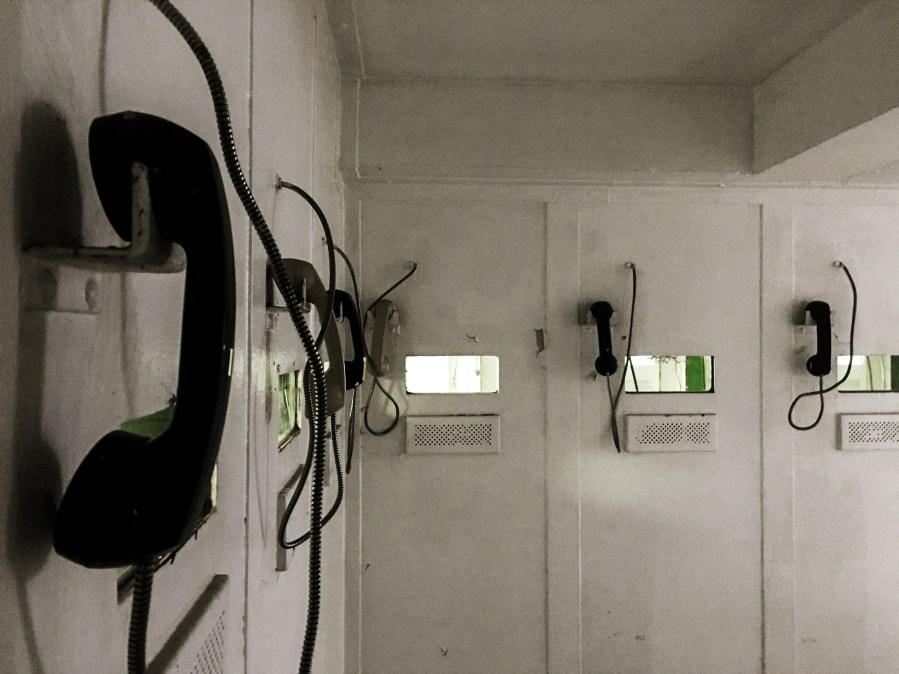
New York Makes Free Phone Calls for Incarcerated Individuals a Reality
Starting August 1, the New York State Department of Corrections and Community Supervision (DOCCS) will offer free phone calls to individuals incarcerated in state correctional facilities. This policy change is funded entirely by the department’s operating budget, marking a significant shift in how communication is handled within the prison system.
The move aims to eliminate financial barriers that have historically hindered communication between incarcerated individuals and their families or legal representatives. Advocates argue that maintaining strong family ties is crucial for rehabilitation and long-term public safety. By removing these barriers, the policy is expected to support the "Reentry 2030" campaign, which seeks to reduce recidivism in New York from 18.9% to 17% by 2030.
A Step Forward for Rehabilitation and Public Safety
DOCCS Commissioner Daniel Martuscello III emphasized the importance of family bonds in an individual's rehabilitation process. He noted that maintaining meaningful relationships while incarcerated can provide emotional support and improve outcomes both during incarceration and after release. This, in turn, contributes to reducing recidivism.
Currently, incarcerated individuals in New York are allowed three free calls per week, each lasting up to 15 minutes. However, the new vendor contract with Securus Technologies reduces the cost of domestic calls to $0.015 per minute, significantly lower than previous rates. According to the prison advocacy group Worth Rises, this reduction is even more favorable than the Federal Communications Commission (FCC) rate cap and California’s rate.
This change is projected to save approximately 30,000 families in New York around $13.3 million annually in phone call fees. The savings could be redirected toward other essential needs, further supporting families and reducing financial strain.
A Growing Trend Across the United States
New York is now the first state to implement free phone calls for incarcerated individuals without requiring new legislation. Other states, including California, Connecticut, Massachusetts, and Minnesota, have already adopted similar policies. Colorado is set to follow suit in 2026.
Minnesota’s experience with free phone calls has been particularly positive. Commissioner Paul Schnell of the Minnesota Department of Corrections noted that the program has allowed families to save hundreds of dollars on call costs. Additionally, reports indicate that regular communication inside facilities has led to a 20% drop in violence and disciplinary infractions.
Challenges and Controversies
Despite the benefits, the policy change comes amid ongoing debates about federal pricing rules for prison phone calls. The FCC had previously approved a cap on prices for calls and banned commissions or kickbacks from service providers to correctional facilities. However, the agency recently extended deadlines for compliance with these rules, delaying their implementation until at least April 2027.
FCC Chair Brendan Carr argued that the proposed rates were too low to cover necessary safety measures. In contrast, FCC Commissioner Anna Gomez criticized the delay, accusing the agency of protecting a flawed system that inflates costs and rewards kickbacks to correctional facilities.
The Martha Wright-Reed Just and Reasonable Communications Act of 2022, signed into law in January 2023, mandated the FCC to ensure “just and reasonable charges” for telephone and advanced communications services in correctional and detention facilities. Worth Rises estimates that this law could result in over $500 million in annual savings for families across the country.
Broader Implications
The decision to offer free phone calls aligns with broader efforts to reform the criminal justice system and promote reintegration. It also highlights the growing recognition of the role that communication plays in successful reentry.
For federal facilities in New York, such as the Otisville Federal Correctional Institution and the Brooklyn Metropolitan Detention Center, the cost of phone calls is also expected to decrease significantly. These changes reflect a shift in priorities, emphasizing the importance of maintaining connections between incarcerated individuals and their communities.
As the debate over prison phone call policies continues, New York’s initiative sets a precedent for other states looking to improve communication and support rehabilitation efforts. The focus on reducing recidivism through stronger family ties underscores the potential for meaningful change in the criminal justice system.

Post a Comment for "New York Funds Free Calls for Incarcerated Residents as FCC Delays Action"
Post a Comment