New Study Reveals Best Pregnancy Exercise for Energy and Mood — Not Jogging
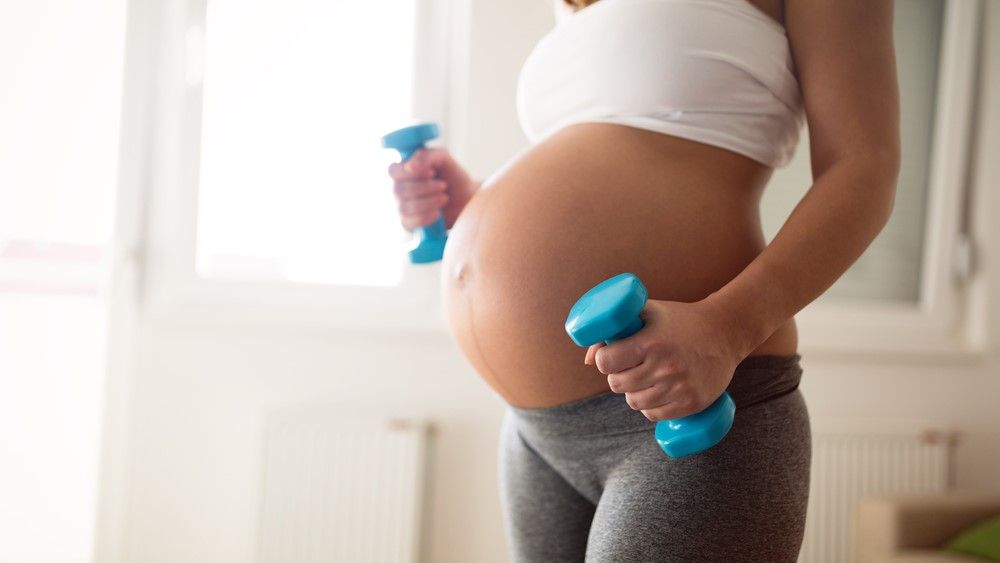
The Benefits of Strength Training During Pregnancy
Exercise plays a crucial role in maintaining both physical and mental health, particularly for pregnant women. A recent study has highlighted that strength training during pregnancy may offer significant benefits, including reduced fatigue and pain, as well as improved overall quality of life.
As a personal trainer, I have always advocated for weightlifting. Not only does it help build muscle and strength, but it also supports metabolism, strengthens joints and ligaments, and helps prevent injuries. These advantages make strength training an essential part of a healthy lifestyle, especially during pregnancy.
What the Study Revealed
A systematic review published in Acta Obstetricia et Gynecologica Scandinavica examined nine randomized controlled trials involving 1,581 participants. The findings indicated that strength training during pregnancy can help manage excessive weight gain, reduce pain, improve mood, and enhance various aspects of quality of life.
These improvements include increased strength, flexibility, better sleep, higher energy levels, and enhanced psychological well-being. The research concluded that pregnant women could optimize their health through strength training, which can help reduce anxiety and fatigue, boost energy and vitality, and alleviate stress and pain.
Participants in the study were generally healthy and varied in age. The intervention lasted between six to twelve weeks, with at least two to three sessions per week. Each session included a warm-up, strength training, and a cool-down, lasting between 50 to 60 minutes. The workouts used circuit-style programs, sets, reps, or time-based intervals.
Key Components of the Training Program
The program focused on major muscle groups, such as the legs, arms, back, and chest, using functional strength compound exercises. Special attention was given to muscles most used during labor, including the core, lower back, and pelvic floor. Equipment like elastic bands, weight plates, barbells, and machines were used to target these areas.
Exercises included deadlifts, hip hinges, squats, lunges, pulling and pushing movements, and core workouts. Importantly, no adverse effects were reported in the study.
Why This Research Matters
Muscle strength and flexibility are essential for reducing discomfort and improving functional mobility. These factors are vital during pregnancy when the body undergoes significant changes and demands more from its systems.
The study suggests that incorporating strength training into a pregnancy routine can enhance overall quality of life, keeping women strong, mobile, and mentally healthier. These benefits are especially important during pregnancy and the early stages of motherhood.
While current guidelines recommend at least 150 minutes of moderate activity per week, this research highlights the importance of adding one or two 50 to 60-minute strength sessions. Exercises can involve upper and lower body movements, circuits, rows, presses, modified push-ups, and more. It is important to assess how you feel during these sessions using the Rate of Perceived Exertion (RPE) scale.
Tailoring the Program to Individual Needs
Each person’s needs and abilities differ, so the training program should be personalized. During pregnancy, the types of exercises that are safe can change from trimester to trimester. It's essential to adapt and adjust the routine accordingly.
For instance, high-intensity sessions and lifting heavy weights may not be suitable or comfortable for everyone, as they can place additional stress on the joints. As a personal trainer, I recommend focusing on maintaining muscle rather than trying to build significant muscle mass. Working with a pre- and post-natal trainer can ensure safety and avoid harmful exercises.
By incorporating strength training into a pregnancy routine, women can enjoy numerous benefits that support their physical and mental well-being throughout this transformative period.

Post a Comment for "New Study Reveals Best Pregnancy Exercise for Energy and Mood — Not Jogging"
Post a Comment