New S.F. Law Halts New Homeless Shelters in Tenderloin and SoMa
Addressing Homelessness Through a Citywide Approach
San Francisco’s approach to addressing homelessness has taken a significant step forward with the San Francisco Board of Supervisors voting to implement a moratorium on new homeless shelters and behavioral health facilities in specific neighborhoods. The decision, made on Tuesday, aims to ensure that these essential services are more evenly distributed throughout the city rather than being concentrated in a few areas.
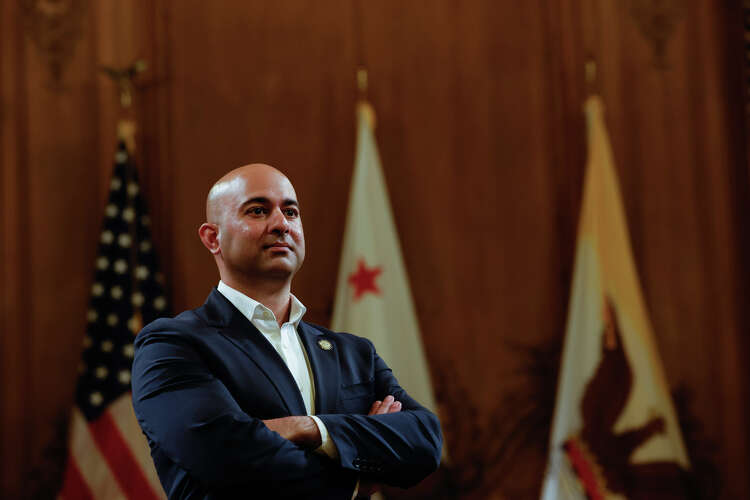
The board approved a bill introduced by Supervisor Bilal Mahmood, which received a vote of 9 to 2. The legislation seeks to prevent the clustering of shelters and behavioral health services, particularly in the Tenderloin and South of Market districts. Supervisors Connie Chan and Chyanne Chen were the only ones to vote against the measure.
Mahmood's initiative is designed to create a needs-based model for funding and placing new shelters. Under the new law, the city will prioritize building shelters in neighborhoods where there is a higher number of unsheltered individuals compared to available housing. This shift aims to address disparities in service distribution across the city.
The bill also includes provisions that prohibit the establishment of new shelters or behavioral health services within a 300-foot radius of existing facilities. This measure is intended to reduce the concentration of such services in certain areas, thereby alleviating pressure on those communities.
Originally, Mahmood's proposal required that each district have a shelter. However, he revised the bill after receiving assurances from Mayor Daniel Lurie that funds allocated for shelter beds over the next three years would be directed to areas outside the oversaturated neighborhoods.
A recent analysis by the San Francisco Chronicle highlighted the uneven distribution of shelters across the city. Most shelters are located on the less affluent east side, while the western part of the city, beyond Twin Peaks, has very limited access to such services. In the Richmond District, for example, there is only one shelter with a capacity of 35 people west of Masonic Avenue.
Mahmood emphasized that his legislation is about rethinking the city’s approach to homelessness. He stated that the goal is to ensure that every neighborhood plays a role in addressing the issue and that no community is left behind. By focusing on unmet needs rather than political considerations, the law aims to create a more equitable system.
Mahmood was supported by various organizations during the vote, including Dignity Moves, SEIU Local 87, the Bay Area Council, and the San Francisco Chamber of Commerce. These groups rallied in support of the legislation, highlighting its potential to bring about positive change.
Supervisor Shamann Walton, who co-sponsored the bill, praised the legislation for creating a framework for a smarter and fairer siting scheme. He emphasized the importance of data-driven decisions, transparency, and early community engagement in the process.
Supervisor Rafael Mandelman initially had reservations about the legislation but ultimately decided to support it due to Mahmood’s efforts to address concerns. Mandelman acknowledged that some neighborhoods may be hesitant to accept new shelters, but he believed the legislation avoids the problem of widespread shelter placement.
Despite the support, Supervisors Chan and Chen voted against the measure, arguing that it does not adequately address neighborhood concerns. Their opposition highlights the ongoing debate about how best to balance the needs of different communities.
This new approach marks a significant shift in how San Francisco is tackling homelessness, aiming to create a more balanced and inclusive system that benefits all residents.

Post a Comment for "New S.F. Law Halts New Homeless Shelters in Tenderloin and SoMa"
Post a Comment