New Safe Arrival Program for Communication Disability Support in Clay County
Understanding the Take Me Home Program
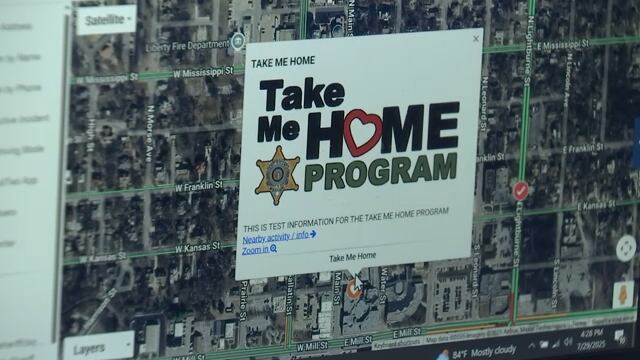
People often face challenges in communication and personal interactions due to a variety of reasons. These could include being hard of hearing, having Alzheimer’s or dementia, autism, mental illness, or intellectual disabilities. The Take Me Home program, launched by the Clay County Sheriff’s Office, is designed to address these challenges. It serves as a database that helps law enforcement during interactions that may arise from traffic stops, welfare checks, or elopement.
Elopement, a term used when someone with a cognitive disability leaves a safe place without permission or supervision, is a significant concern for families. Vonda Powell, a mother from Liberty, understands this well. Both of her sons have autism and are non-verbal. Her 23-year-old son, Adam, can quickly leave her side. Recently, they were at a car loading groceries when he suddenly ran across the parking lot. He explained via sign language and a tablet that he had changed his mind about which magazine he wanted and went into the store to exchange it.
Powell expressed her fear about the dangers associated with elopement. She shared that 85% of children with autism who escape from their home and cannot be found often face tragic outcomes, such as drowning. She was the first to fill out the Take Me Home application, ensuring her son was added to the Clay County database.
Origins and Purpose of the Take Me Home Program
The Take Me Home program originated in Pensacola, Florida, to assist individuals with conditions like autism or dementia. However, it also extends to those with other sensory or communication needs. The primary goal is to help law enforcement understand the unique challenges faced by individuals and to ensure they are returned home safely. This includes faster identification of those who have eloped and preventing misinterpretations of their behaviors during stressful situations.
Sarah Boyd, an employee of the Clay County Sheriff’s Office leading the program, emphasized the importance of making law enforcement aware of these issues before encountering someone. This awareness helps in safely returning individuals to their homes.
How the Program Works
The Take Me Home program is voluntary. Loved ones can submit identifying information directly to the sheriff’s office. This includes a description, address, photo, diagnosis, and contact details for caregivers. This information is stored in a private database accessible to law enforcement. They can search using any of the descriptors to identify someone. Additionally, the homes of participants are marked on a map that law enforcement can access if they receive a call about someone wandering and appearing disoriented.
There is also an option to enter details about places the person might go if they elope. For instance, individuals with autism might be drawn to bodies of water, while those with Alzheimer’s might head toward a former address or something from their past. Another optional entry allows for a detailed description of the person's challenges, including what stresses them, how they react, and what calms them.
Boyd shared examples of the information received, such as the need for one direction at a time, sensitivity to lights causing sensory overload, and the intellectual capacity of a six-year-old. One participant mentioned a fondness for discussing Pokémon.
Implementation and Community Impact
It took two years to develop the Take Me Home program, working with the IT department to ensure compatibility with their records management system. Boyd believes the effort is well worth it, as the program aims to connect with all facets of the community, including those with developmental disabilities, dementia, and cognitive delays.
For Vonda Powell, the program means everything. It makes her children and adults feel important, loved, and known. Anyone interested in participating in the Take Me Home program or learning more can do so through the provided links.
The program will be accessible to the sheriff’s office and agencies sharing their records management system, including police, fire, and EMS departments in Gladstone, Kearney, Liberty, and Excelsior Springs. Other area agencies already have similar programs. The Johnson County, Kansas Sheriff’s Office provides application information, along with window clings for vehicles and homes. Lee’s Summit also has a Take Me Home program and database.

Post a Comment for "New Safe Arrival Program for Communication Disability Support in Clay County"
Post a Comment