New insights show how β-cell types affect type 2 diabetes development
Understanding the Diabetes Epidemic and the Role of β-Cells
The rise in diabetes cases has become a growing concern, with more people around the world developing the condition each year. According to the American Diabetes Association, over 10% of the U.S. population—approximately 38.4 million individuals—had diabetes in 2021, and an additional 1.2 million people are diagnosed annually. This alarming trend underscores the need for deeper research into the causes and potential treatments of diabetes.
Type 2 diabetes, the most common form of the disease, occurs when the body becomes resistant to insulin, a hormone that regulates blood glucose levels. Insulin is produced by specialized cells in the pancreas called β-cells. In type 2 diabetes, these β-cells initially increase their insulin production to compensate for the resistance, but this effort eventually fails, leading to a decline in β-cell function and exhaustion over time. The health and quantity of β-cells play a crucial role in determining an individual's risk of developing diabetes.
The Complexity of β-Cell Subtypes
β-cells are not all the same. They consist of different subtypes, each with unique characteristics such as secretory function, viability, and ability to divide. These differences mean that some β-cells are more "fit" than others, and the overall balance of these subtypes can influence diabetes risk. When diabetes develops, the proportions of certain β-cell subtypes change, but scientists still debate whether these changes are a result of the disease or if they contribute to its onset.
To address this question, researchers at Vanderbilt University—Cue Guoqiang Gu, Emily Hodges, and Ken Lau—conducted groundbreaking studies on β-cell subtypes. Their recent work, published in Nature Communications, aims to determine whether it is possible to enhance the functional mass of β-cells to reduce the risk of type 2 diabetes.
New Methods for Studying β-Cells
Studying β-cell subtypes presents significant challenges. Traditional methods involve examining samples at the single-cell level, which limits researchers to studying cells only once and when they are fully developed. This approach prevents scientists from tracking how specific β-cell subtypes evolve over time or under different conditions.
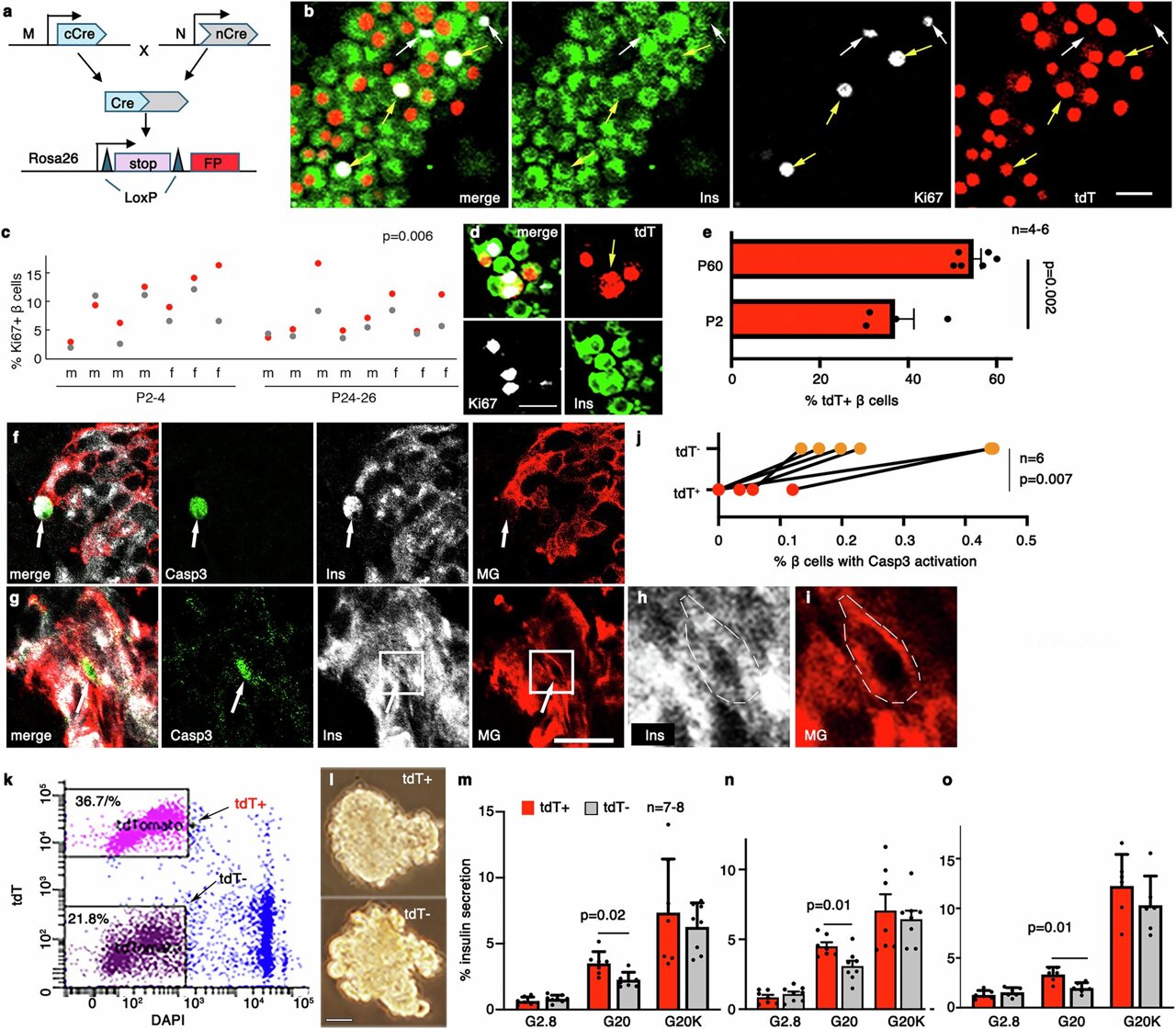
Gu, Hodges, and Lau developed a novel method to overcome this limitation. By using gene expression markers to permanently label the progenitor cells that give rise to β-cell subtypes, they were able to track these subtypes across multiple stages of development, maturation, and function. This innovation allows for a more comprehensive understanding of how β-cell states change over time and under varying physiological conditions.
Key Findings from the Research
Their study yielded three major findings:
-
Development of β-Cell Subtypes: Progenitor cells in embryonic mice that express different genes give rise to β-cell subtypes with varying levels of fitness in adult mice. This discovery could help scientists manipulate progenitor cells to favor healthier subtypes, potentially reducing diabetes risk.
-
Impact of Maternal Nutrition: The nutrients consumed by mother mice significantly affect the proportion of high-fitness to low-fitness β-cell subtypes in their offspring. For instance, mice on a high-fat diet had pups with fewer β-cells that responded effectively to glucose. This suggests that maternal obesity increases the likelihood of diabetes in offspring, highlighting the importance of prenatal health.
-
Human Relevance: The β-cell subtypes identified in mice have parallels in the human pancreas. Specifically, the subtype predicted to have higher fitness in humans was found to be reduced in patients with type 2 diabetes. While results from animal studies may not always directly apply to humans, these findings offer valuable insights into human biology and diabetes risk.
Future Directions and Potential Therapies
The researchers now aim to explore how epigenetic patterns—gene expression markers—are built and maintained in different β-cell subtypes and how disruptions in these patterns affect cell function. Gu envisions a future where dietary supplements for pregnancy could reduce the risk of diabetes in babies.
Additional questions remain about the potential of diabetes therapies. For example, does modifying DNA methylation improve the quality of human embryonic stem cell-derived β-like cells? If so, could these cells be used for transplantation-based therapies in type 2 diabetes patients?
These inquiries highlight the complexity of diabetes research and the need for continued exploration into the mechanisms underlying β-cell function and dysfunction. As scientists uncover more about the intricacies of β-cells, new treatment strategies may emerge, offering hope for millions affected by diabetes worldwide.

Post a Comment for "New insights show how β-cell types affect type 2 diabetes development"
Post a Comment