New History of the DC Universe Reveals Cyborg's Justice League Return and Titans Founding Role
Revisiting Cyborg’s Legacy in the DC Universe
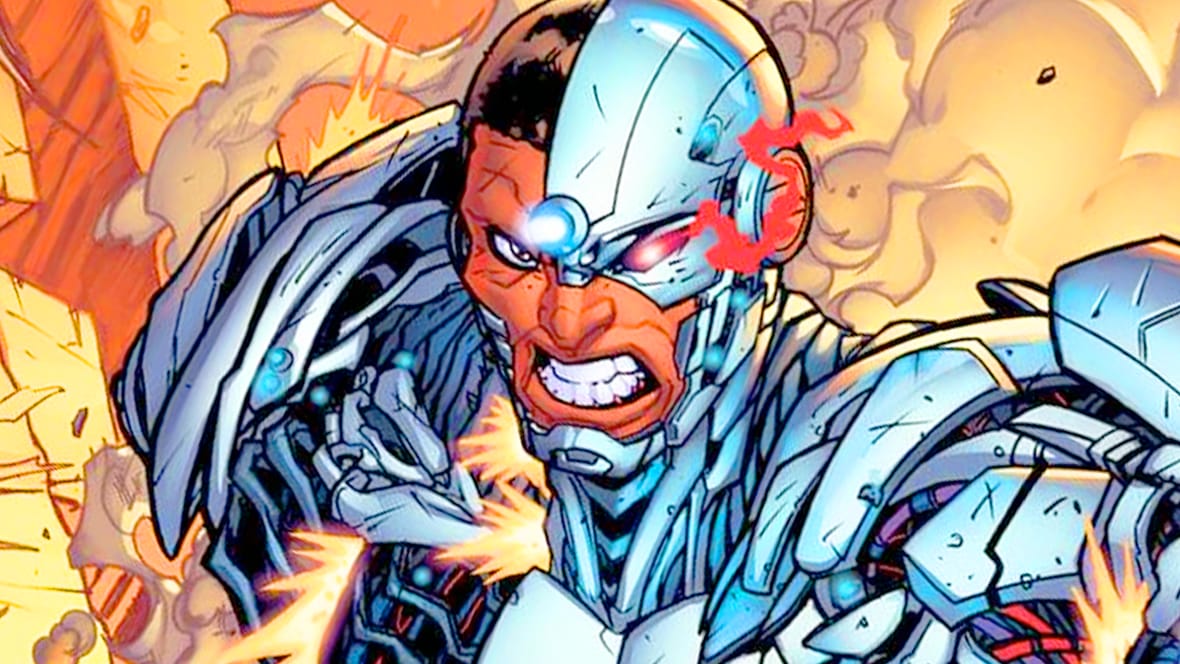
DC Comics has made a significant shift in its storytelling by redefining the role of one of its most iconic characters, Cyborg. This change marks a return to his original roots, where he was not just a member of the Justice League but also a founding figure of the New Teen Titans. This decision reflects a broader effort to correct past creative missteps and align the character's narrative with fan expectations.
Cyborg, whose real name is Victor Stone, first appeared in 1980 in DC Comics Presents Vol. 1 #2. He was introduced as part of Marv Wolfman and George Pérez’s debut story for the New Teen Titans. Although the initial gathering of the team was part of a dream sequence involving Raven, the group officially formed in the first issue of their own series, New Titans Vol. 1 #1, with Cyborg among the seven original members. For three decades, his role as a Titan and mentor to future members remained consistent.
However, this changed with the launch of the New 52 in 2011. The initiative, led by Geoff Johns and Jim Lee, redefined many aspects of the DC Universe. In Justice League Vol. 3 #1, Cyborg was repositioned as a founding member of the Justice League, joining Superman, Batman, Wonder Woman, Aquaman, Green Lantern, and The Flash during the battle against Darkseid. This move was intended to diversify the League’s roster and present Cyborg as a modern superhero.
Johns described Cyborg as “a character I really see as the modern-day, 21st-century superhero.” He emphasized that the character represents the integration of technology into everyday life, likening it to using a cellphone. Despite these intentions, Cyborg’s tenure as a core member of the Justice League did not resonate with fans as expected. His presence was largely overshadowed by other characters, and he became more of a background figure within the metahuman community.
Recognizing the misstep, DC has now taken steps to correct the narrative. The recently released New History of the DC Universe Vol. 1 #2 serves as an official retcon, restoring Cyborg’s original origin. Written by Mark Waid, this volume is framed as an in-universe account by the de-powered Barry Allen. It details events from the Golden and Bronze eras, including the death of the Flash in Crisis on Infinite Earths.
In this updated history, it is revealed that while Cyborg does join the Big Six in their fight against Apokolips, he does not form the Justice League with them. Instead, the damage he sustains leads to his placement in healing cryostasis, where he remains until the formation of the New Teen Titans. This restoration brings his canon back in line with his original story, acknowledging the importance of his role in the Titans’ legacy.
The third issue of The New History of the DC Universe, set for release on August 27th, will cover the period between Crisis on Infinite Earths and the end of Flashpoint. This ongoing series aims to provide a comprehensive look at the evolution of the DC Universe, ensuring that all stories are interconnected and consistent.
As DC continues to refine its storytelling, the return of Cyborg to his original role highlights the publisher’s commitment to honoring the rich history of its characters. Fans can look forward to a more cohesive and engaging narrative that respects both the past and the future of the DC Universe.

Post a Comment for "New History of the DC Universe Reveals Cyborg's Justice League Return and Titans Founding Role"
Post a Comment