New Clues on Survival and Mass Extinction Found in Tanzania and Zambia
New Discoveries from the Permian Period
Recent findings from Tanzania and Zambia have provided new insights into survival during the Permian period and the aftermath of the "Great Dying." These discoveries, detailed in a series of studies published in the Journal of Vertebrate Paleontology, offer a deeper understanding of the events that shaped life on Earth. The Permian period, which began 299 million years ago and ended around 252 million years ago, marked one of the most significant extinction events in history. Known as the "Great Dying," this catastrophic event led to the loss of approximately 70% of terrestrial species and an even higher percentage of marine life. Researchers are now using newly uncovered remains from Tanzania and Zambia to explore which species thrived during this time and why others did not survive.
Insights from Fossil Remains
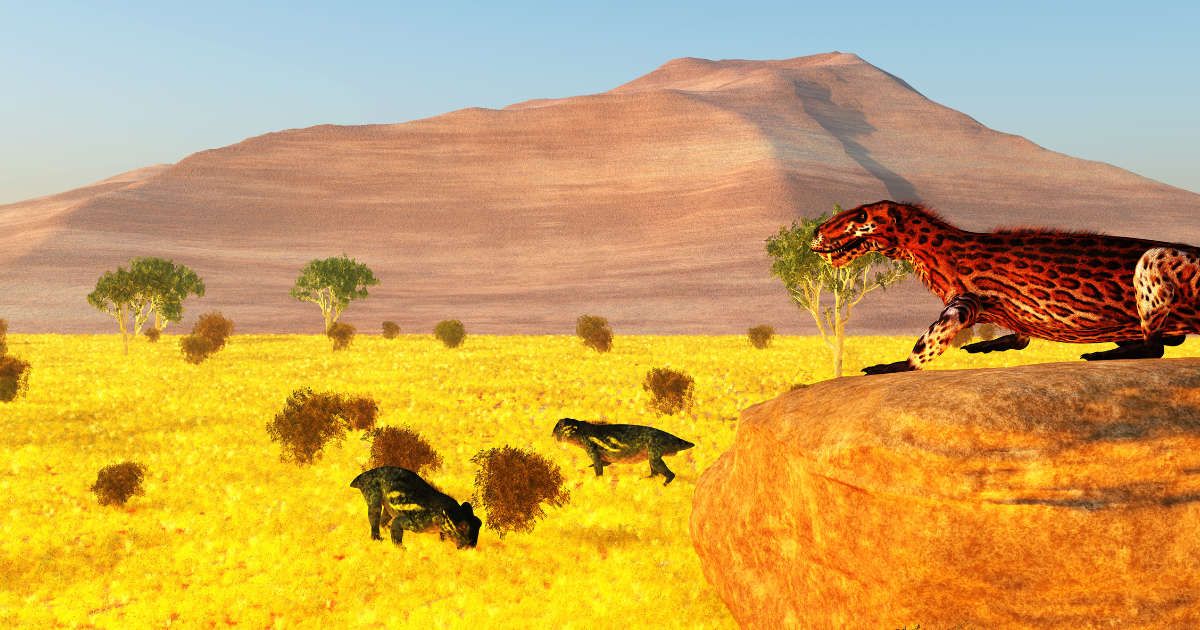
The studies highlight the discovery of several new species of dicynodonts, which were reptile-like creatures that lived during the Permian period. These small animals created burrows for shelter and evolved with a beak-like snout and two tusks that helped them dig. By the time of the Great Dying, these creatures had become the dominant plant-eaters in their ecosystem. In addition to dicynodonts, researchers identified new species from other groups, such as gorgonopsians and temnospondyls, in the fossil records of Tanzania and Zambia. Comparing these findings with data from the Karoo Basin in South Africa is expected to provide valuable insights into how these species adapted before, during, and after the mass extinction.
Exploration of Permian Fossils
For the past 15 years, researchers have been exploring Permian fossils in Tanzania and Zambia. Their goal has been to uncover what species lived in southern Pangea, a supercontinent that existed during the Permian period. Before these excavations, the best understanding of the Permian and early Mesozoic periods came from fossils found in the Karoo Basin of South Africa. This region contained a near-perfect fossil record, tracking species through the transition from the Permian to the Mesozoic era. In the 1930s, experts recognized that Tanzania and Zambia also held well-preserved fossils, showcasing various species before, during, and after the Great Dying.
Researchers aim to compare the fossil records of both regions to gain a more comprehensive view of biodiversity during the Permian period. Christian Sidor, a professor at the University of Washington and curator at the UW Burke Museum of Natural History and Culture, emphasized the significance of these findings. “This mass extinction was nothing short of a cataclysm for life on Earth, and changed the course of evolution,” he said. “But we lack a comprehensive view of which species survived, which didn't, and why. The fossils we have collected in Tanzania and Zambia will give us a more global perspective on this unprecedented period in our planet's natural history.”
Focus of the Research
To gather these important fossils, the research team conducted several month-long excavation trips across Tanzania and Zambia. They focused on three key basins: the Luangwa Basin in eastern Zambia, the Ruhuhu Basin in southern Tanzania, and the Mid-Zambezi Basin in southern Zambia. In addition to newly discovered specimens, the studies also included fossils collected by others and stored in museums.
Sidor noted the exceptional quality of the fossils found in these regions. “These parts of Zambia and Tanzania contain absolutely beautiful fossils from the Permian,” he said. “They are giving us an unprecedented view of life on land leading up to the mass extinction.” The research team claims this is the largest analysis of the fossil record from the pre- and post-Great Dying period in the region, offering new perspectives on the resilience and diversity of life during one of Earth’s most challenging times.

Post a Comment for "New Clues on Survival and Mass Extinction Found in Tanzania and Zambia"
Post a Comment