Never Again: New Laws Aim to Prevent Midair Collisions After 67 Deaths in January
Introduction to the ROTOR Act
Exactly six months after a tragic midair collision over the Potomac River, a new bill has been introduced to address aviation safety concerns that were highlighted by the incident. The legislation, known as the Rotor Operations Transparency and Oversight Reform Act (ROTOR Act), aims to strengthen safety measures in the aviation sector by implementing critical anti-collision technologies.
Details of the ROTOR Act
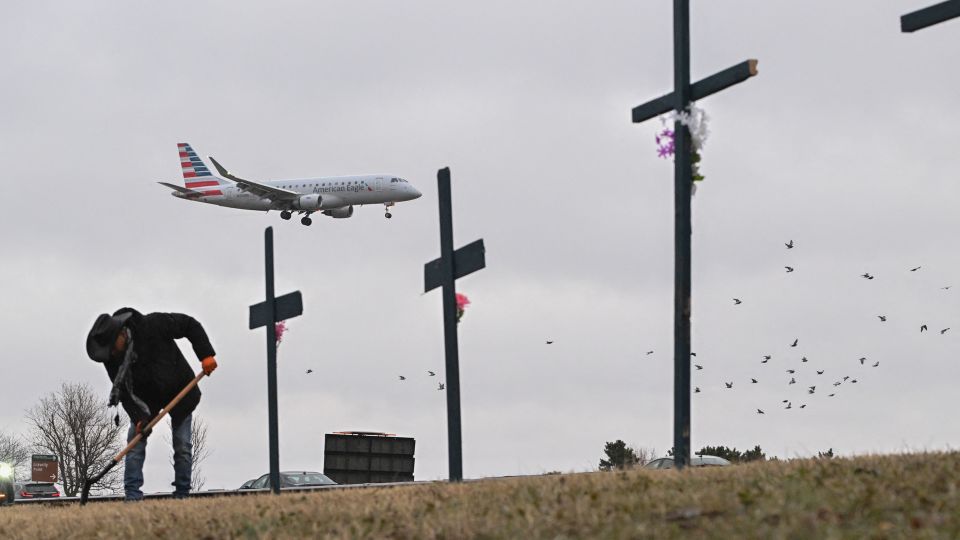
The bill is sponsored by Senator Ted Cruz, who chairs the Senate Committee on Commerce, Science and Transportation. It mandates that all aircraft operators install key anti-collision technology on every flight. Specifically, it requires the Army to keep this technology activated in almost all cases. The legislation comes in response to the deadly crash that occurred on January 29, when an Army Black Hawk helicopter collided with an American Airlines regional jet near Ronald Reagan Washington National Airport. This tragic event resulted in the loss of 67 lives.
Automatic Dependent Surveillance-Broadcast (ADS-B) Technology
Central to the ROTOR Act is the requirement for aircraft to send and receive Automatic Dependent Surveillance-Broadcast (ADS-B) signals. ADS-B technology allows planes to transmit data such as GPS location, altitude, and ground speed once per second. This information is independent of air traffic control and provides real-time updates about surrounding aircraft.
Currently, most aircraft are required to transmit ADS-B data, but the ROTOR Act would also mandate that they have "ADS-B in," which displays this information in the cockpit. This feature enhances situational awareness for pilots and air traffic controllers.
The Role of the Army in the Collision
The helicopter involved in the collision was not broadcasting ADS-B data because of a rule that allowed the Army to operate without the system turned on. Senator Cruz has criticized the Army's practices, arguing that the military has been given too much flexibility by the Federal Aviation Administration (FAA) to operate without this essential equipment.
Importance of ADS-B for Safety
Cruz emphasized that ADS-B is crucial for aviation safety. He pointed out that the technology gives pilots and air traffic control a clear view of what is happening in the skies. Under the new bill, the FAA would need to grant permission for military flights without ADS-B only for "sensitive government missions" like presidential transport when the airspace is already closed to other traffic.
Support from Key Officials and Victims' Families
The bill has garnered support from several high-profile individuals, including Transportation Secretary Sean Duffy, National Transportation Safety Board Chairwoman Jennifer Homendy, FAA Administrator Bryan Bedford, and family members of the crash victims. At a news conference on Capitol Hill, these stakeholders expressed their backing for the legislation.
NTSB's Recommendations and the Need for Change
According to Homendy, the National Transportation Safety Board (NTSB) has long recommended that the FAA require ADS-B In for flying more than 20 years ago. However, the NTSB lacks the authority to implement these changes directly. Homendy stressed that ADS-B In is a game-changer for aviation safety, emphasizing its potential to prevent future collisions.
Upcoming Investigations
On Wednesday, the NTSB will begin three days of investigative hearings regarding the collision. These hearings aim to uncover the root causes of the tragedy and identify ways to prevent similar incidents in the future.
Response from American Airlines
American Airlines, whose regional jet was involved in the crash, welcomed the bill in a statement. The airline expressed its condolences for the lives lost in the tragic accident involving Flight 5342 and praised the efforts of Senator Cruz, Secretary Duffy, and other officials working to improve aviation safety.
Additional Provisions of the Bill
In addition to requiring ADS-B technology, the ROTOR Act includes provisions for the FAA to review helicopter routes near congested airports across the country. Furthermore, the Army inspector general would be required to audit the military's aviation safety practices, ensuring compliance with the new regulations.
Conclusion
The ROTOR Act represents a significant step forward in enhancing aviation safety. By mandating the use of critical anti-collision technologies and increasing oversight of military operations, the legislation addresses the weaknesses exposed by the tragic collision. As the NTSB continues its investigation, the focus remains on preventing future accidents and ensuring the safety of all aircraft operating in the national airspace.

Post a Comment for "Never Again: New Laws Aim to Prevent Midair Collisions After 67 Deaths in January"
Post a Comment