Netflix's 'Songs From the Hole' Forces a Rethink of America's Prison System
A Journey of Redemption and Artistic Expression
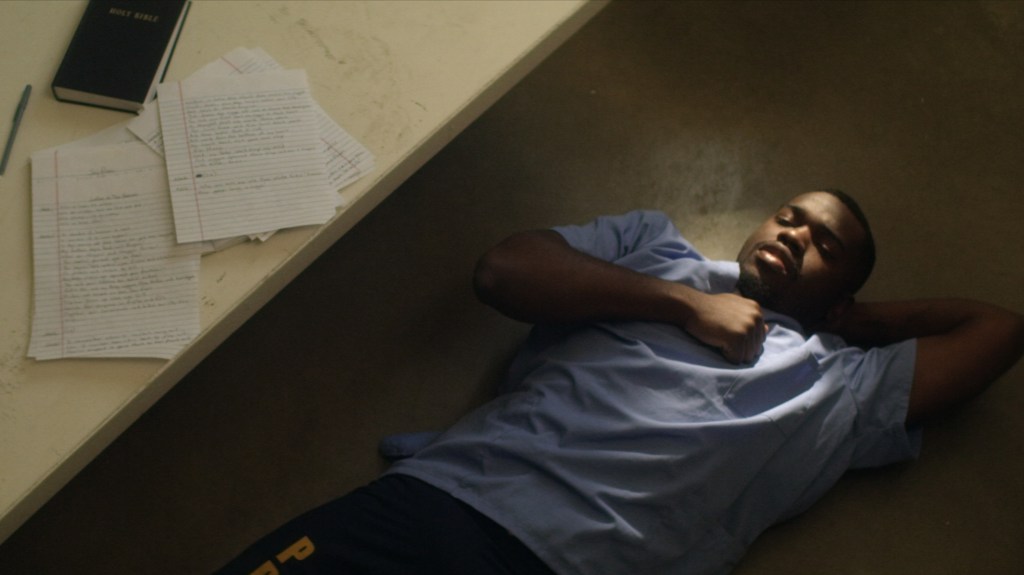
Music, more than a product or entertainment, is a sacred act. This belief underpins the award-winning documentary Songs From The Hole, which explores the life and transformation of James "JJ'88" Jacobs, a Long Beach native who evolved from a troubled youth into an artist and activist. The 90-minute film, available on Netflix, offers a powerful look at his journey, including his time in prison and the role of art in his personal growth. Directed by Contessa Gayles, the documentary has earned ten awards on the 2024 film festival circuit and showcases a unique blend of jailhouse phone calls, a visual album created while incarcerated, and intimate family moments that highlight his path to redemption.
JJ'88 was released from prison in 2022 after serving 18 years for a murder he committed as a 15-year-old. His release was not just physical but spiritual, as he found peace through a meeting with the man who killed his brother. This encounter became a pivotal moment in his life, underscoring the importance of restorative justice. The documentary also draws parallels to Gayles’ earlier work, The Feminist on Cellblock Y, which explored similar themes of empowerment and community within the prison system.
The making of Songs From The Hole was a long process, beginning while JJ'88 was still in prison. He wrote the treatment for the visual album inspired by Beyoncé’s Lemonade and her self-titled album. The project included songs written during his time in solitary confinement, recorded with the help of Richie Reseda, who also produced the beats for JJ'88’s music. Gayles worked on one music video per month, weaving them seamlessly into the documentary footage. Initially, there were considerations to differentiate the music videos from the raw documentary content using different aspect ratios, but she ultimately decided to keep everything uniform, allowing for a cohesive and engaging visual experience.
The documentary features recurring scenes that reflect key themes in JJ'88’s life, such as the loss of innocence among young Black men, the role of mothers, and the complexities of the justice system. There are repeated appearances of an adolescent version of JJ'88 and another actor portraying his brother, Victor, who was killed shortly after JJ'88 committed a murder. These visuals are paired with songs that explore themes of faith, morality, and violence, drawing comparisons to the works of artists like Kendrick Lamar and Vince Staples.
Throughout the film, the support system of JJ'88 is highlighted, including his mother, father, stepmother, sister, and wife. Their unwavering belief in him plays a crucial role in his journey. During a poignant moment, JJ'88 tearfully expresses frustration over how his music was used against him during a parole hearing. This scene underscores the broader issue of how hip-hop is often misunderstood and misinterpreted by the justice system.
The documentary also delves into the emotional impact of the criminal justice system on victims, as seen through the perspective of Indigo, JJ'88’s wife, who speaks about her own trauma and the lack of healing provided by the system. Her words emphasize the need for a more compassionate approach to justice that prioritizes healing over punishment.
JJ'88’s story is one of redemption, forgiveness, and growth. His ability to confront his past and seek reconciliation with the man who killed his brother exemplifies the power of restorative justice. Through his music, he finds a way to express his pain and transform it into something meaningful.
In a world increasingly focused on numbers and metrics, JJ'88’s journey reminds us of the true essence of art: a means of expression, healing, and connection. His story, while unique, serves as a powerful reminder of the potential for change and the value of every individual's voice.

Post a Comment for "Netflix's 'Songs From the Hole' Forces a Rethink of America's Prison System"
Post a Comment