Netanyahu Denies Gaza Hunger Crisis in Bold Statement
Israeli Prime Minister Denies Claims of Starvation Campaign in Gaza
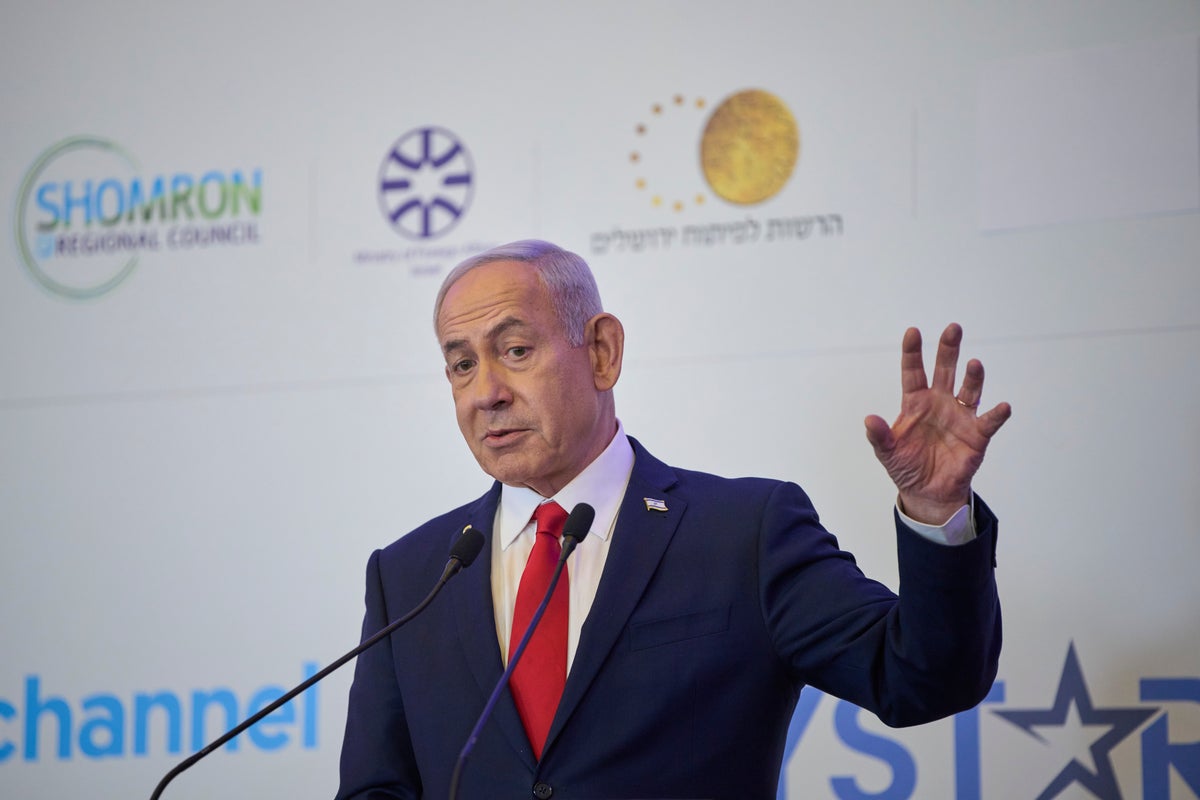
Israeli Prime Minister Benjamin Netanyahu has strongly denied allegations that Israel is implementing a campaign of starvation in the Gaza Strip, calling such accusations a “bold-faced lie.” During a Christian conference in Jerusalem, he stated, “There is no policy of starvation in Gaza and there is no starvation in Gaza.” Netanyahu emphasized that Israel has ensured the amount of aid required by international law reaches the region and accused Hamas of stealing humanitarian aid before blaming Israel for not providing it.
The remarks were made at a conference hosted by Paula White, an adviser to former U.S. President Donald Trump and a prominent evangelical pastor. This statement contrasts sharply with warnings from humanitarian organizations, which report that starvation and malnutrition have reached critical levels in Gaza.
Growing Concerns Over Malnutrition in Gaza
The World Health Organization (WHO) recently warned that malnutrition is on a “dangerous trajectory” in the Gaza Strip, citing 63 deaths in July alone. According to the UN’s Palestinian refugee agency (UNRWA), one in five small children in Gaza City is now acutely malnourished. The UN has described the hunger crisis as “entirely preventable” and accused Israel of deliberately blocking and delaying large-scale food, health, and humanitarian aid.
In March, Israel imposed a total aid blockade in Gaza for 11 weeks, effectively halting the flow of essential supplies into the region. Later, in May, the American-run Gaza Humanitarian Foundation (GHF) took over aid distribution, replacing the UN’s previous role. Under this new system, food is distributed through a limited number of hubs guarded by armed contractors. Since this change, hundreds of Palestinians have been killed while attempting to access aid.
Hamas has denied stealing aid from collection sites, and a recent USAID internal report found no evidence of systematic looting of supplies.
Temporary Aid Corridors and Continued Violence
In response to international pressure, Israel’s military announced a suspension of daily operations between 10 a.m. and 8 p.m. in parts of central and northern Gaza, promising to open aid corridors for food and medical supplies. However, within hours of this so-called “humanitarian pause,” Israeli forces resumed air raids, killing 63 people, according to Gaza health authorities.
Save the Children’s director for the Middle East, Ahmad Alhendawi, criticized these temporary pauses, stating they are insufficient to address the humanitarian crisis. He emphasized that any increase in aid delivery could help people survive, particularly children who are facing their final days after nearly five months of siege.
Alhendawi added that sustained access to diverse food, nutrition supplements, and medical care is essential for reversing the damage caused by malnutrition. He stressed that even a few days of food aid would not be enough to save those on the brink of death.
The Need for Long-Term Solutions
The situation in Gaza highlights the urgent need for long-term solutions to the humanitarian crisis. While temporary measures may offer some relief, they cannot replace the consistent and comprehensive aid necessary to address the deepening malnutrition and starvation across the region.
Humanitarian organizations continue to call for immediate action to ensure safe and efficient delivery of aid, emphasizing that the current approach is not sufficient to meet the needs of the population. As the crisis worsens, the international community faces increasing pressure to find sustainable ways to support the people of Gaza.

Post a Comment for "Netanyahu Denies Gaza Hunger Crisis in Bold Statement"
Post a Comment