NASA's August Skywatch: Jupiter and Venus Meet Up
Planetary Highlights in August
August is set to be a month filled with celestial wonders, offering stargazers a variety of astronomical events to enjoy. From planetary alignments to meteor showers, there's something for everyone. NASA has provided an overview of what to look out for this month, highlighting several key events that are sure to captivate skywatchers.
Mars: A Faint but Visible Presence
Mars remains visible in the early evening sky throughout August. It can be spotted low in the west for about an hour after sunset. However, its distinctive salmon-pink color has dimmed, now appearing only about 60% as bright as it was in May. This makes it a bit more challenging to spot, but still a rewarding sight for those willing to look closely.
Saturn: A Late Evening Sight
Later in the evening, around 10 p.m., Saturn becomes visible in the east. As the month progresses, it will appear earlier each night. The planet can be found among the constellations Cassiopeia and Andromeda. By dawn, Saturn will have moved toward the western part of the sky, making it an ideal target for early risers who want to catch a glimpse.
Jupiter and Venus: A Stunning Close Approach
The most anticipated event of August is the close approach of Jupiter and Venus. These two planets shine brightly in the eastern sky before sunrise throughout the month. At the beginning of August, they appear far apart, but they gradually move closer together. They reach their closest point on the 11th and 12th, being only about a degree apart. This alignment takes place against a backdrop of bright stars such as Orion, Taurus, Gemini, and Sirius. A slim crescent moon will join the pair of planets on the mornings of the 19th and 20th, adding to the visual spectacle.
Perseids Meteor Shower: A Peak with Challenges
The Perseids meteor shower returns this month, peaking overnight on August 12 and 13. However, this year’s peak coincides with a nearly full moon, which may make it harder to see the meteors, especially the fainter ones. Despite this, NASA notes that the Geminids meteor shower in December will offer a better viewing opportunity without the interference of moonlight.
Dumbbell Nebula: A Glimpse into the Future
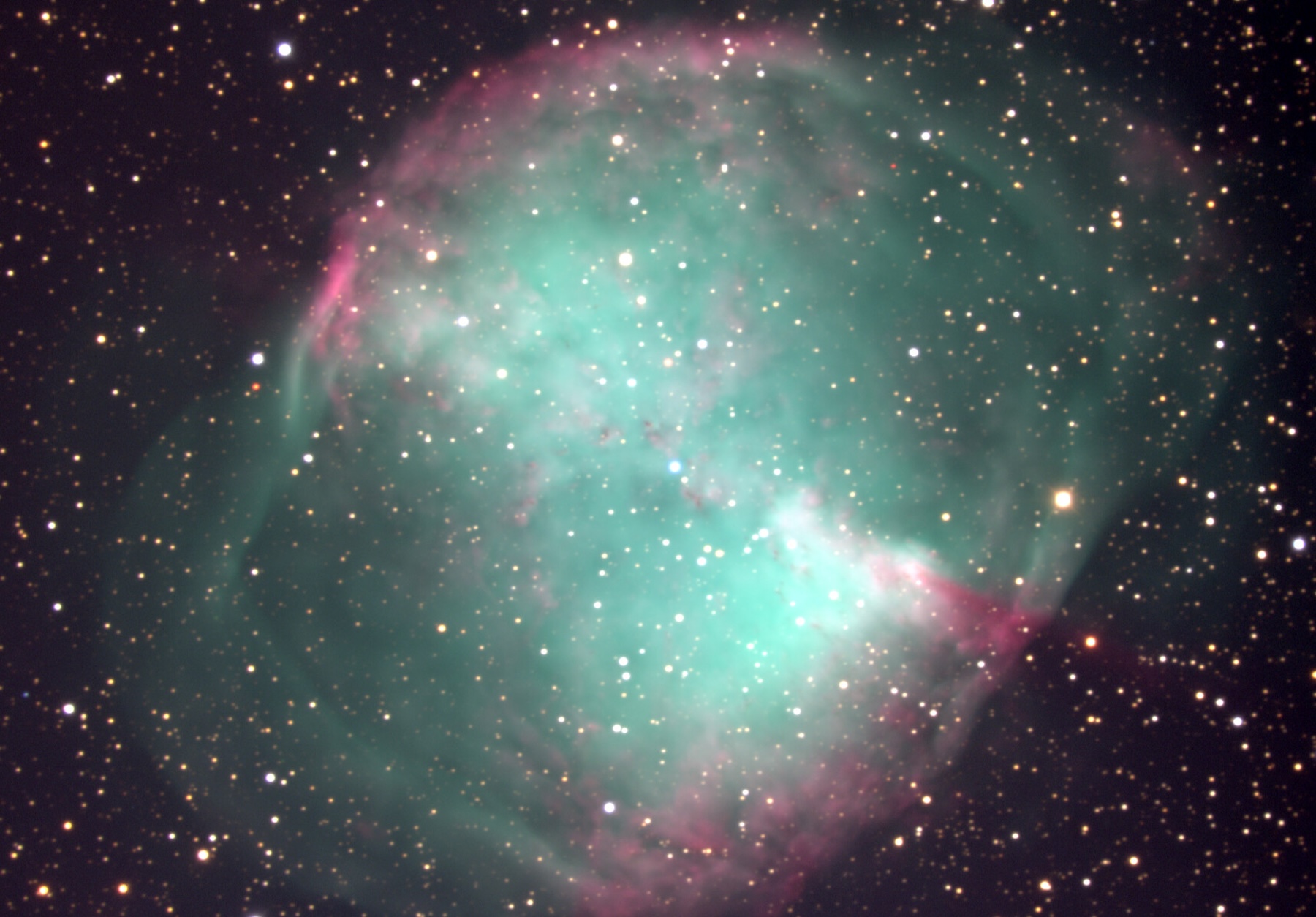
This month also presents a unique opportunity to view the Dumbbell Nebula, also known as M27. This planetary nebula is created when a star like our sun reaches the end of its life cycle. As the star sheds its outer layers, it leaves behind a small, hot remnant called a white dwarf. The ultraviolet light from the white dwarf illuminates the surrounding gas, creating a visible glow.
Nicknamed for its dumbbell-like shape, the Dumbbell Nebula appears as a small, faint patch of light when viewed through binoculars or a small telescope. It is about a quarter of the width of the full moon. While it may not be as bright as other celestial objects, it offers a fascinating glimpse into the future of our own sun, which is expected to undergo a similar transformation in about 5 billion years.
NASA emphasizes that planetary nebulas play a crucial role in the cycle of star formation, seeding the galaxy with the materials needed for new generations of stars and planets. This cosmic process continues to shape the universe we observe today.

Post a Comment for "NASA's August Skywatch: Jupiter and Venus Meet Up"
Post a Comment