MTA approves $1.9B deal for Second Avenue Subway — officials call it a savings
A Major Step Forward for the Second Avenue Subway
The MTA has taken a significant step in its long-term vision for New York City's transit infrastructure by awarding a nearly $2 billion contract for the next phase of the Second Avenue Subway. This massive investment marks a critical milestone in the project, which aims to extend the Q line further north through East Harlem. Despite concerns about the aging state of the existing subway system, officials have emphasized that both modernization and expansion are priorities.
Janno Lieber, the head of the MTA, addressed criticism regarding the decision to build a new subway line instead of focusing on repairs. When questioned about the allocation of resources, he firmly rejected the notion that the agency was neglecting the current system. “I reject the premise of the question,” Lieber said. He explained that the MTA’s capital program includes both maintaining the current infrastructure and expanding it. The new contract, valued at $1.9 billion, is seen as a strategic move to ensure long-term benefits for commuters.
The contract was awarded to Connect Plus Partners, a joint venture between Halmar International and FCC Construction. This team will be responsible for digging a tunnel from 116th Street to 125th Street and constructing two new stations in East Harlem. Initial street work is expected to begin later this year, with major construction and tunnel boring scheduled for 2026 and 2027, respectively.
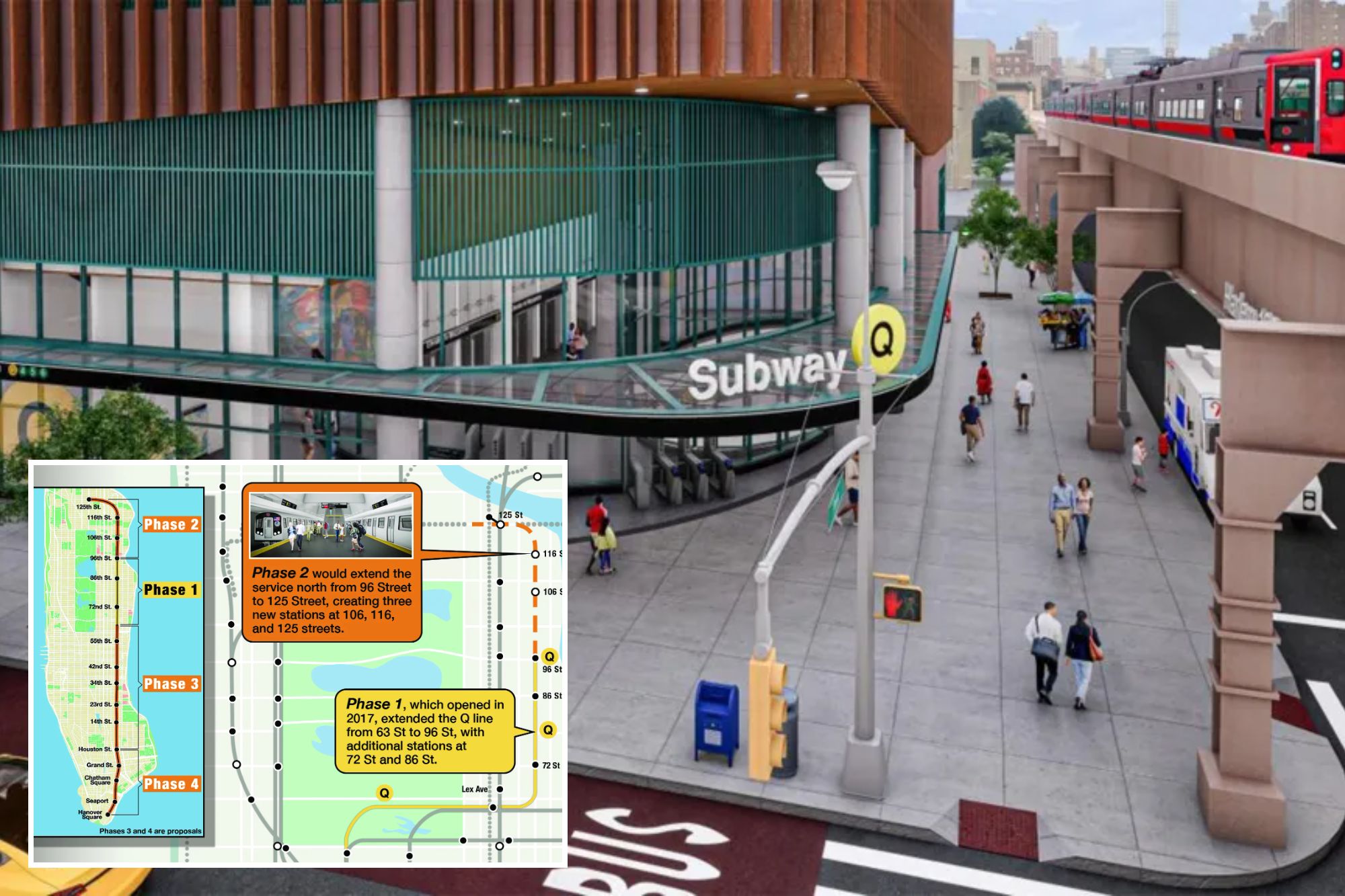
This phase is part of the MTA’s larger $7.7 billion Phase Two of the Second Avenue Subway project, which seeks to fulfill a century-old dream of extending a train line up the East Side of Manhattan. Governor Kathy Hochul expressed her support, stating, “The time of promises are over. We are moving down the tracks as quickly as we can.”
Phase One of the project, which added three stops on the Q line between 63rd Street and 96th Street, cost $4.45 billion and took over a decade to complete. The second phase will extend the Q line an additional 1.5 miles, adding three new stations that are expected to open by 2032. However, the project comes with a high price tag, estimated at $4 billion per mile — making it one of the most expensive subway projects globally.
Despite the costs, Lieber defended the project, arguing that it is relatively affordable when considering the number of daily riders expected to use the new stations. With an estimated 110,000 passengers per day, he claimed the project is competitive with international tunneling efforts and is the lowest cost per rider for any heavy rail project in the United States.
MTA officials also highlighted potential savings, although they appear modest compared to the overall budget. For instance, crews will utilize an existing tunnel built in the 1970s for a future 116th Street station, potentially saving $500 million. Additionally, using smaller tunnel crews is expected to save $100 million.
Jamie Torres-Springer, president of MTA Construction & Development, stated that the project is currently on time and under budget. Renderings released by the MTA show the planned design for the 125th Street station, which will feature a modern, airy feel with a glass façade and natural light. Other renderings depict the entrance for the 106th Street station, the third stop in Phase Two. A separate contract will be awarded for the 106th Street station.

Post a Comment for "MTA approves $1.9B deal for Second Avenue Subway — officials call it a savings"
Post a Comment