Most Mass. fire departments fail to meet national staffing standards, union claims
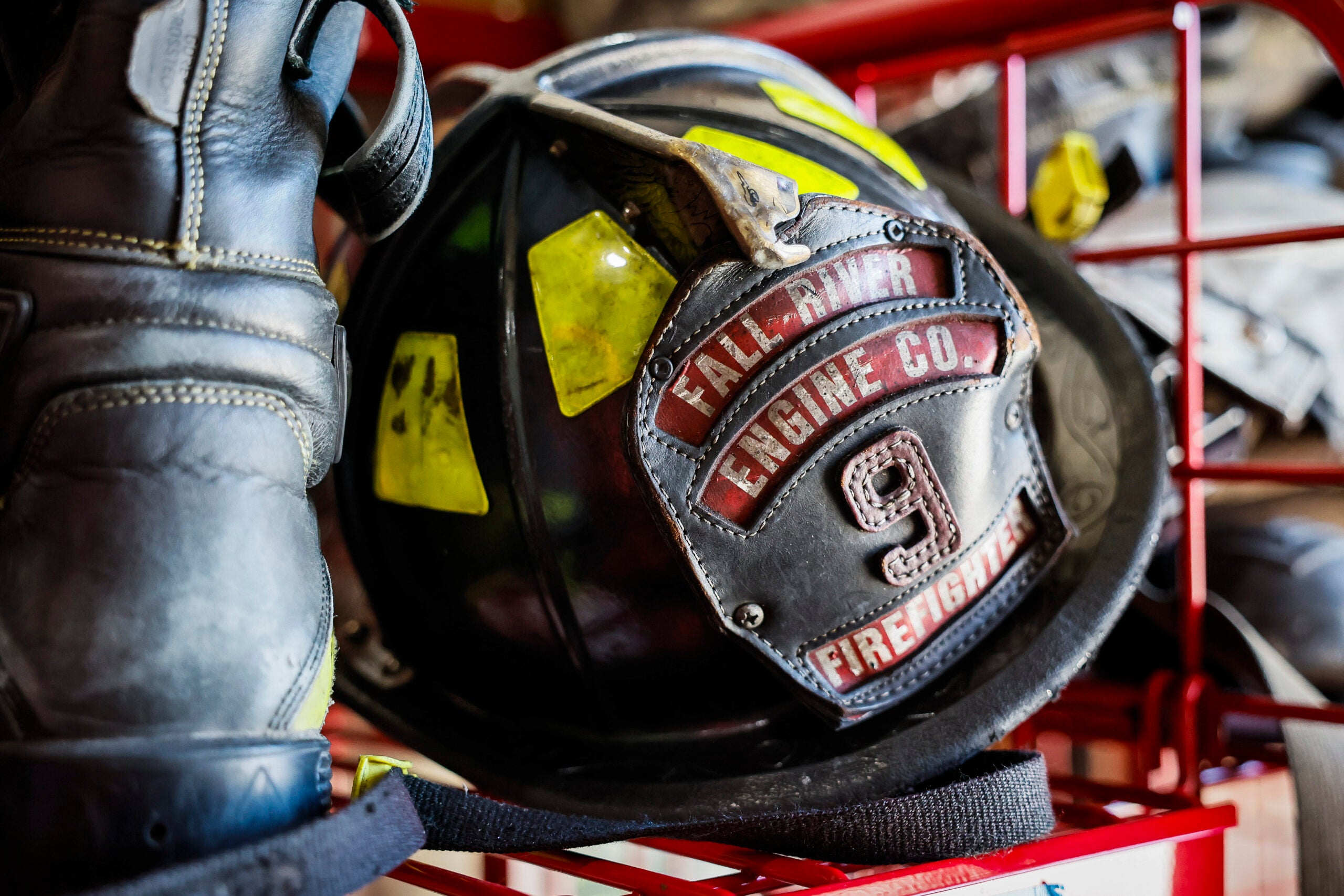
Fire Departments in Massachusetts Fall Short of National Standards
A recent survey conducted by the Professional Fire Fighters of Massachusetts (PFFM) has revealed that nearly all fire departments in the state are not meeting national staffing standards. This alarming finding comes in the wake of a tragic fire at an assisted living facility in Fall River, which resulted in the loss of 10 lives and injuries to 30 others.
According to the National Fire Protection Association (NFPA), fire engines and ladder trucks should be staffed with a minimum of four on-duty members. However, the survey found that in Massachusetts, the average number of firefighters on an engine is less than 2.5, while the average for a ladder truck is below two. These figures highlight a significant gap between current staffing levels and the recommended standards.
The PFFM, representing thousands of firefighters from 217 local unions, conducted the survey. PFFM President Rich MacKinnon emphasized that more than 90% of departments do not meet the national standard for staffing. He pointed out that only a few communities, such as Boston, Brookline, and New Bedford, regularly meet the requirement of having four people per engine.
MacKinnon attributed the widespread staffing issues to budget cuts made by municipalities in the name of public safety. “Firefighters do a great job with whatever staffing they have,” he said, “but we saw in Fall River what can happen when you’re not adequately staffed to standards.”
The fire at Gabriel House, an assisted living facility in Fall River, was not intentionally set. Investigators believe the cause may have been an oxygen concentrator or a resident’s smoking materials. First responders, including Fall River Fire Chief Jeffrey Bacon, described flames erupting from the front door and residents trapped inside, hanging out of windows and screaming for help.
Bacon recounted the harrowing moment when firefighters arrived and saw faces in the windows, needing to decide who to rescue. MacKinnon, who also serves as a firefighter in Whitman, noted that staffing was low during the incident. Of the 10 trucks that responded to Gabriel House, only two were staffed with four people. “Had those other eight been staffed, you would have had eight additional firefighters on scene in a timely manner to facilitate rescue,” he said.
Data shared by the union indicates that properly staffed engines are up to 30% faster than 2-person crews. “Every second counts,” MacKinnon told DISCOVER TREND. “Conditions can change so quickly that you really need to have that standard met and firefighters on scene mitigating any problems right away.”
In response to the tragedy, Governor Maura Healey pledged $1.2 million to Fall River to improve its public safety staffing. Her office also announced $5.7 million available to support emergency responder staffing in eligible communities.
MacKinnon urged residents to question their decision makers about why their fire departments are not adequately staffed to meet minimum standards. “The residents of these communities need to ask the decision makers: How come my fire department is not adequately staffed to meet minimum standards?” he said.
As the conversation around public safety and emergency response continues, it is clear that addressing staffing shortages is critical to ensuring the safety of communities across Massachusetts. The lessons learned from the Fall River tragedy underscore the importance of adhering to national standards and investing in the resources necessary to protect lives.

Post a Comment for "Most Mass. fire departments fail to meet national staffing standards, union claims"
Post a Comment