More Than Trump and PM Can Fix, Minister Says on US Steel Tariffs
Key Issues on the Table During UK-US Talks
During the upcoming meeting between UK Prime Minister Sir Keir Starmer and US President Donald Trump, several critical issues are expected to dominate the discussions. While there is optimism about progress in certain areas, the negotiations over steel tariffs remain unresolved, with no immediate resolution anticipated.
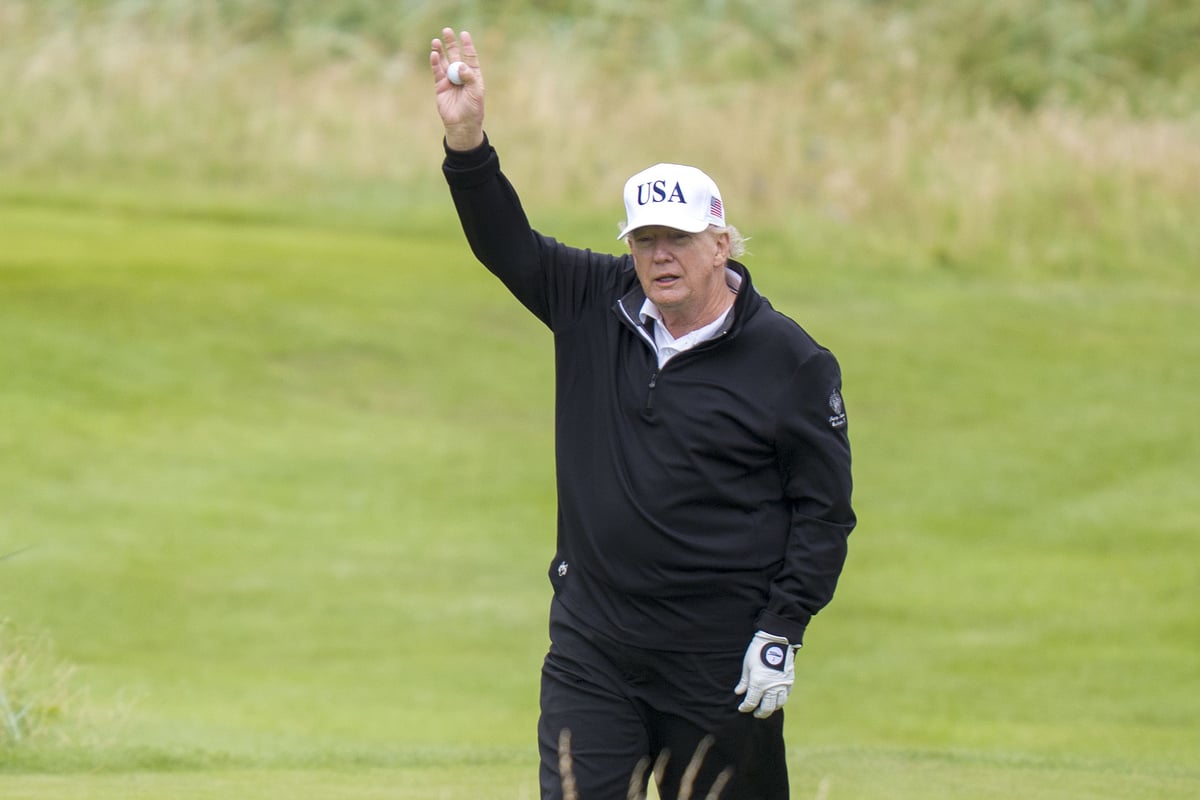
The Prime Minister is set to meet with Trump at Turnberry, a golf course in Ayrshire that has become a focal point for high-level diplomatic talks. One of the main topics on the agenda is the ongoing dispute over tariffs on steel imports from the UK. Despite a recent trade deal that reduced tariffs on car and aerospace imports, an agreement on steel was not reached, leaving the 25% tariff in place. American concerns regarding steel products manufactured elsewhere and finished in the UK are among the sticking points in these negotiations.
Business Secretary Jonathan Reynolds acknowledged that while significant progress has been made in other sectors, more work remains to be done. He emphasized that daily negotiations have continued since the June trade deal and that some issues, particularly those related to steel and aluminum, still need to be resolved. Reynolds also mentioned the broader conversation around reciprocal tariffs, which could impact future trade relations between the two nations.
Broader Implications of Tariff Discussions
The discussions on steel tariffs are part of a larger context of trade negotiations between the UK and the US. These talks come as Trump announced a major deal with the European Union, which will impose a 15% tariff on most EU goods entering the US—lower than the previously threatened 30%. This development highlights the potential for similar agreements in other regions, including the UK.
However, the focus on steel remains a key challenge. The UK government is keen to find a solution that protects its domestic industry while maintaining good relations with the US. The complexity of the issue suggests that it may take more than a single meeting to resolve, with both sides needing to continue working on a comprehensive agreement.
Humanitarian Concerns in Gaza
In addition to trade issues, the humanitarian crisis in Gaza is expected to be a central topic during the meeting. Sir Keir Starmer, along with Scotland’s First Minister John Swinney, plans to urge President Trump to apply pressure on Israel to allow more humanitarian aid into the region. The situation in Gaza has reached a critical point, with many residents facing severe food shortages and the threat of starvation.
Starmer has condemned Israel for restricting aid flows, a stance shared by leaders of France and Germany. The UK has pledged to participate in efforts led by Jordan to airdrop aid into Gaza, reflecting a commitment to addressing the crisis. Meanwhile, more than 220 MPs have called for the UK to immediately recognize the state of Palestine, a move that French President Emmanuel Macron has already promised to make.
The Role of the United States
Reynolds highlighted the importance of the US in influencing the situation in Gaza, noting that the country has secured ceasefires in the conflict in the past. He pointed out that the US has worked closely with Egypt, Qatar, and other regional partners to bring about temporary peace. Given this history, the UK sees the US as a key player in shaping the outcome of the conflict.
Swinney also emphasized the deep concern and heartbreak felt in Scotland over the situation in Gaza, indicating that the issue will be raised during the talks with Trump. This reflects a broader sentiment across the UK and its allies, who are increasingly calling for action to alleviate the suffering of civilians in the region.
Ongoing Challenges and Future Steps
While the meeting between Starmer and Trump offers an opportunity to address these pressing issues, the path forward remains uncertain. Both leaders will need to navigate complex political and economic landscapes to achieve meaningful outcomes. The discussions on steel tariffs, humanitarian aid, and regional stability will likely shape the future of UK-US relations in the coming months.

Post a Comment for "More Than Trump and PM Can Fix, Minister Says on US Steel Tariffs"
Post a Comment