Monitoring Measles Outbreaks in America
Rising Measles Cases in the United States Spark Public Health Concerns
Recent outbreaks of measles in the United States have led to a significant increase in reported cases, raising alarm among public health officials. The situation is particularly concerning as vaccination rates among children remain below target levels, contributing to the spread of the disease.
This year’s surge in cases follows the first reported deaths in the U.S. since 2015 and a sharp rise in the number of infections in 2024. Public health agencies are closely monitoring the situation, updating data weekly as new information becomes available from state health departments and the Centers for Disease Control and Prevention (CDC).
A major outbreak in West Texas has been a primary contributor to the national spike in measles cases so far in 2025. This highlights the need for continued vigilance and proactive measures to prevent further spread.
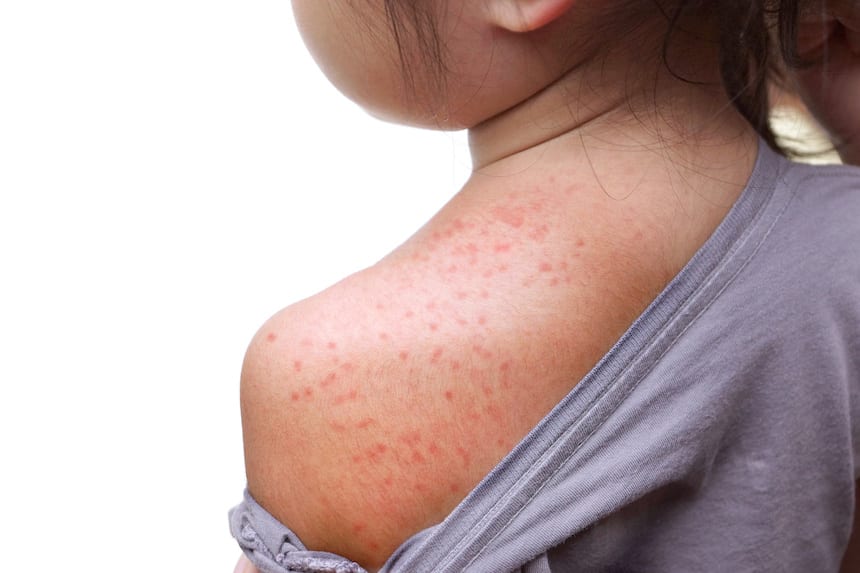
Measles is a highly contagious airborne illness that can lead to severe health complications or even death, especially for young and unvaccinated children. Most of the cases reported this year involve individuals under the age of 20. Common symptoms include fever, cough, runny nose, watery eyes, and a rash of red spots. According to the CDC, about one in five unvaccinated people who contract measles will require hospitalization. Additionally, one in 20 children may develop pneumonia, while others could face dangerous brain swelling known as encephalitis. Up to three out of every 1,000 infected children may die due to respiratory and neurological complications.
National data from the CDC often lags behind reports from state health agencies. As of now, several states have reported cases, with the full extent of the outbreak still being tracked. The CDC continues to update its findings as more information becomes available.
The good news is that measles is entirely preventable through vaccination. Experts recommend the MMR vaccine, which protects against measles, mumps, and rubella. The vaccine should be administered in two doses: the first between 12 and 15 months of age, and the second between 4 and 6 years old. One dose is approximately 93% effective at preventing measles, while two doses offer around 97% effectiveness.
Dr. Michael Mina, chief scientific officer of eMed and an infectious disease expert, emphasized that the current outbreak is primarily driven by unvaccinated individuals. He pointed out that declining vaccination rates and increased international travel have contributed to the resurgence of the disease. In 2019, imported cases were linked to travelers bringing measles back to the U.S., highlighting the importance of maintaining high vaccination coverage.
Measles was declared eliminated in the U.S. in 2000, meaning there was no continuous transmission of the virus within the country. However, imported cases are still possible. When vaccination rates are high, the risk of outbreaks remains low. But in recent years, outbreaks have occurred, such as in 2019, when two large outbreaks affected underimmunized Orthodox Jewish communities in New York. These events raised concerns about the potential loss of the U.S.’s measles elimination status.
If a measles outbreak persists for a year or longer, the CDC warns that the U.S. could lose its elimination status. This underscores the critical need for high vaccination coverage to prevent the spread of the disease. The CDC has set a target of 95% vaccination coverage, but recent data shows that the rate among kindergarteners has fallen below this threshold.
According to the CDC, MMR vaccine series completion among kindergarteners dropped from 95.2% during the 2019–2020 school year to 92.7% in the 2023–2024 school year. This decline left approximately 280,000 children at risk of infection.
Public health officials continue to urge parents and caregivers to ensure their children receive the recommended vaccinations. By maintaining high vaccination rates, the U.S. can work to prevent future outbreaks and protect vulnerable populations from the serious consequences of measles.

Post a Comment for "Monitoring Measles Outbreaks in America"
Post a Comment