Milwaukee Police Consider Expanding Facial Recognition Use
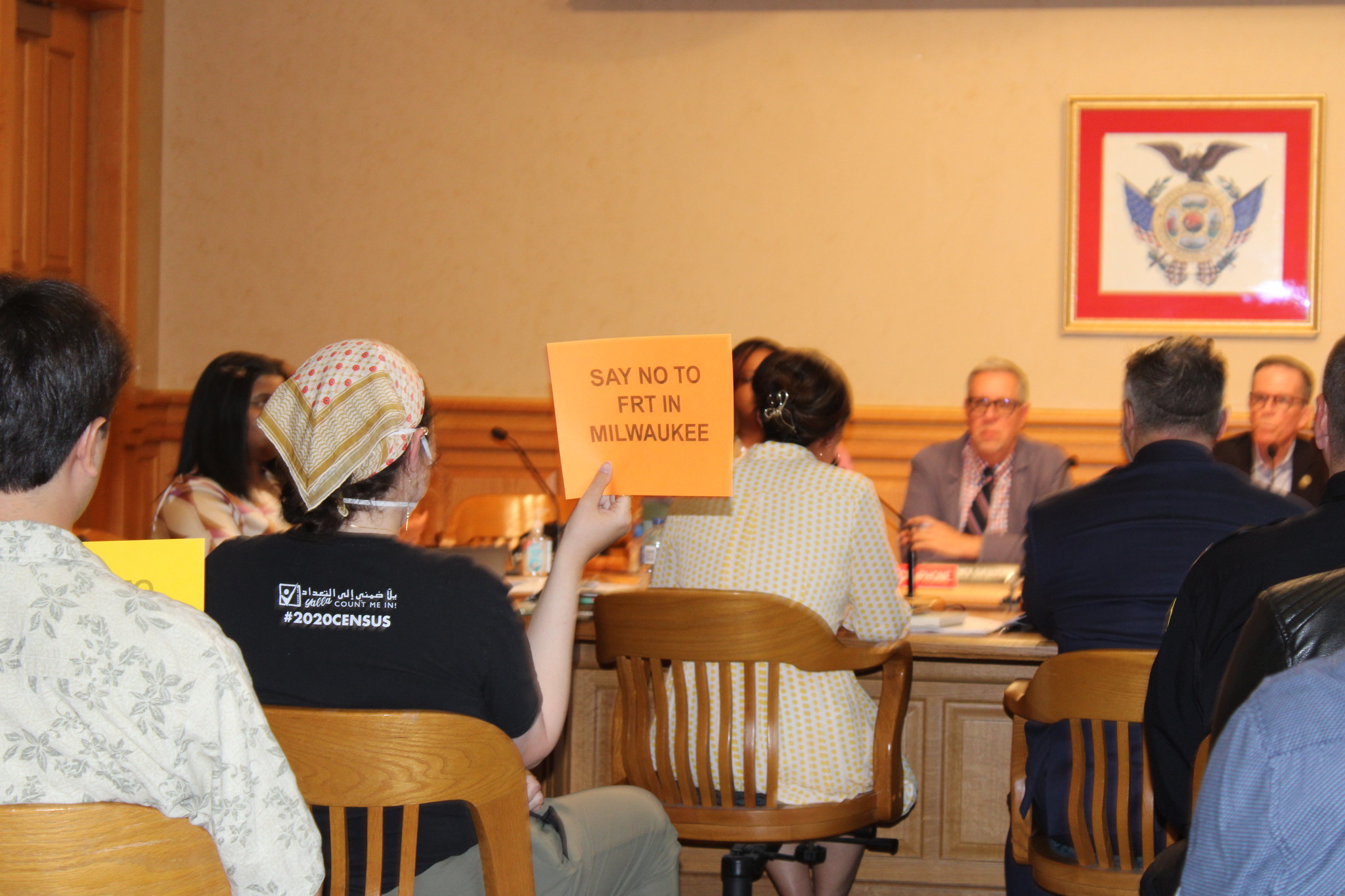
Ongoing Debate Over Facial Recognition Technology in Milwaukee
The Milwaukee Police Department (MPD) is still considering whether to expand its use of facial recognition technology (FRT). A spokesperson for the department stated, “We are in continued conversations with the public related to FRT and have not made any decisions.” This ongoing discussion reflects the growing concerns and debates surrounding the implementation of such technology.
MPD has been engaging with Biometrica, a company that provides facial recognition technology to police agencies and other organizations. However, opposition to the use of this technology continues to grow, with several city bodies and community groups raising concerns about its potential impact.
In July, the Milwaukee Equal Rights Commission unanimously passed a resolution opposing MPD’s use of facial recognition. The commission, which works to promote equality in the city’s institutions and the broader community, cited the risk of error as a major concern. These errors disproportionately affect historically marginalized groups, according to the resolution.
Tony Snell, chair of the commission, sent a letter to Milwaukee Police Chief Jeffrey Norman urging him to reject the technology. The letter was also sent to the Milwaukee Common Council, Mayor Cavalier Johnson, and the Milwaukee Fire and Police Commission. The resolution highlighted the lack of publicly available data on positive outcomes from other cities that have adopted facial recognition technology.
In May, 11 out of 15 members of the Milwaukee Common Council sent a letter to Norman, opposing facial recognition due to the risk of misidentification, particularly for people of color and women. They also expressed concerns about the potential harm to the community’s trust in law enforcement.
Additional concerns raised during public testimony included the possibility of sharing immigration-related data with federal agencies and the targeting of individuals and groups exercising their First Amendment rights.
MPD's Perspective
MPD has consistently emphasized that a carefully developed policy could help reduce the risks associated with facial recognition technology. A department spokesperson said, “Should MPD move forward with acquiring FRT, a policy will be drafted based upon best practices and public input.”
Heather Hough, MPD’s chief of staff, described facial recognition as a powerful investigative tool that can quickly generate leads. During a meeting with the Equal Rights Commission, she noted that the technology is just one of many tools used by the department. She stressed that the real work involves human analysis and additional investigation by detectives and officers.
Hough presented case studies, including a March 2024 homicide where facial recognition from a neighboring jurisdiction helped identify suspects. More recently, MPD used facial recognition to identify a suspect in a July 2024 homicide on Milwaukee’s North Side after accessing footage from a residential camera near North 55th Street and West Custer Avenue.
Biometrica's Response
Biometrica, the company MPD is considering partnering with, has addressed concerns about the accuracy of facial recognition technology. Kadambari Wade, Biometrica’s chief privacy officer, said the company is constantly evaluating its processes to ensure greater accuracy. She mentioned that she and her husband, Biometrica CEO Wyly Wade, are aware of concerns about racial bias and are working to address them.
Wade emphasized that they want their services to work equally well for everyone, regardless of race or background. She also denied any current or future plans to cooperate with U.S. Immigration and Customs Enforcement (ICE), stating, “We do not work with ICE. We do not work in immigration.”
What Comes Next?
Since the passage of Wisconsin Act 12, the only official way to amend or reject MPD policy is through a vote of at least two-thirds of the Common Council, or 10 members. However, council members cannot make any decision until MPD actually drafts its policy, often referred to as a “standard operating procedure.”
Ald. Peter Burgelis, one of four council members who did not sign the Common Council letter to Norman, said he is waiting to make a decision until he sees a potential policy from MPD or an official piece of legislation considered by the city’s Public Safety and Health Committee.
Snell’s main concern is for MPD’s decision to be fair and just. He stated, “Regardless … you want to be part of the process in order to eliminate, or to the extent possible, reduce the risk of discrimination to people.”

Post a Comment for "Milwaukee Police Consider Expanding Facial Recognition Use"
Post a Comment