Mid-Barataria Project Canceled
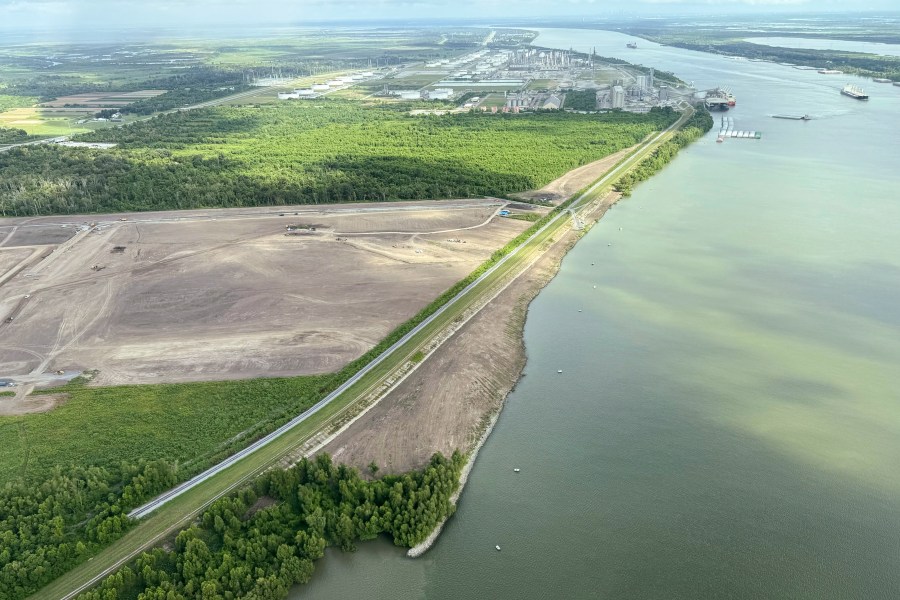
The Cancellation of the Mid-Barataria Sediment Diversion Project
The Mid-Barataria Sediment Diversion Project, a key initiative in Louisiana’s efforts to restore its coastline and protect its natural ecosystems, was officially canceled on July 17. This decision came from the Louisiana Trustee Implementation Group, which oversees environmental restoration projects in the region. The project aimed to reconnect the Mississippi River with the Barataria Basin, a critical area for wetland restoration and coastal resilience.
Amanda Moore, Senior Director of the Gulf Program for the National Wildlife Federation, emphasized the importance of the project. She noted that the initiative was designed to rebuild wetlands, which serve as a natural buffer against storm surges, while also restoring the ecological functions of the estuary. The project was expected to create approximately 5,000 acres of new land within 10 years and up to 17,000 acres over 30 years. It had already received $618 million in funding and was projected to cost nearly $3 billion.
Moore highlighted that the project's benefits extended beyond just land creation. “It’s not just about rebuilding wetlands,” she said. “It’s also about restoring the health of the entire ecosystem, which includes protecting biodiversity and maintaining water quality.”
The project faced several challenges, including legal and regulatory hurdles. One of the main reasons cited for its cancellation was the suspension of a federal permit by the Army Corps of Engineers. Additionally, there were ongoing lawsuits related to the project. Lt. Gov. Billy Nungesser pointed out that the project’s cost had increased dramatically, from an initial estimate of $250 million to $3 billion. He also raised concerns about potential harm to local wildlife, including dolphins, and the impact on the oyster and shrimp industries.
Haily Gentry, assistant director at the Tulane Institute on Water Law and Policy, explained that litigation was a significant factor in the project’s cancellation. Plaquemines Parish claimed the state lacked proper permits for flood risk management, but Gentry believed the lawsuit would have likely favored the state. Another lawsuit was filed by the Earth Island Institute, which argued that the project’s environmental impacts on local species had not been adequately assessed. According to the institute, the project could introduce freshwater into a saline environment, disrupt existing wetlands, and release toxic contaminants into the basin.
Despite these concerns, Moore maintained that the project would have provided long-term benefits to the ecosystem and the communities that rely on it. She noted that mitigation strategies were already being developed to address potential negative impacts on dolphins and the fishing industry. “There were hundreds of millions of dollars allocated for mitigation plans, and they were working closely with local communities to ensure these efforts were effective,” she said.
The cancellation of the project has raised questions about the future of Louisiana’s Coastal Master Plan. As a major component of this plan, the project’s cancellation may affect other restoration efforts that were based on its assumptions. Gentry pointed out that it remains unclear what will happen to the funds already allocated for the project, which were sourced from penalties related to the Deepwater Horizon oil spill.
While the project’s cancellation marks a setback for coastal restoration efforts, it also highlights the complex balance between environmental protection, economic interests, and regulatory compliance. As Louisiana continues to face the challenges of climate change and coastal erosion, the need for sustainable and well-planned solutions remains more urgent than ever.

Post a Comment for "Mid-Barataria Project Canceled"
Post a Comment