Miami's Election Date Shift 'May Cause Chaos,' Court Warns
Miami Mayoral Candidate's Lawsuit Challenges City's Election Postponement
A legal battle is unfolding in Florida as a Miami mayoral candidate challenges the city’s decision to postpone the November 2025 election to 2026. The case has drawn significant attention, with Florida’s Third District Court of Appeal showing skepticism toward the city’s justification for the change. The dispute centers on whether the city can alter the election schedule without voter approval, a move that could have far-reaching implications for local governance and democratic processes.
Emilio González, a mayoral candidate and former city manager, filed a lawsuit last month after the Miami City Commission voted 3-2 to delay the election through an ordinance rather than a ballot referendum. The decision has sparked controversy, with critics arguing it undermines the democratic process by allowing current officials to remain in power longer without public input.
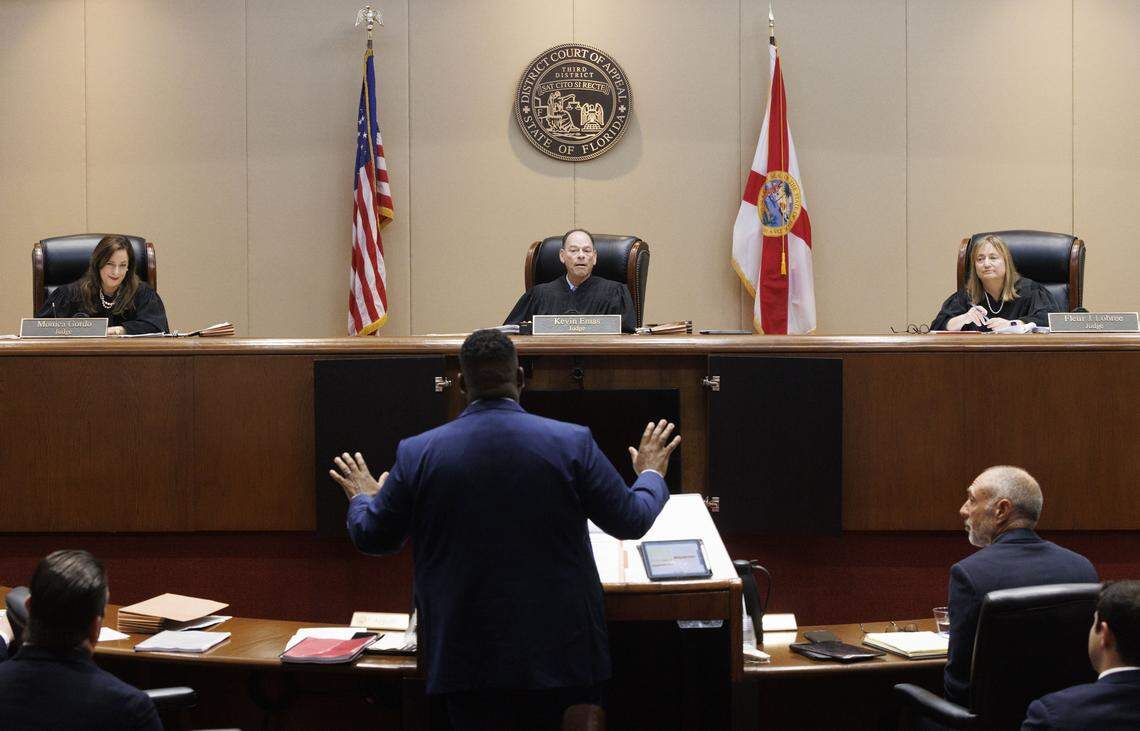
During a recent hearing, a three-judge panel questioned the city’s arguments, suggesting they may align with a previous ruling by Miami-Dade Circuit Court Judge Valerie Manno Schurr. She had determined that the city’s ordinance was unlawful and unconstitutional, prompting the city to appeal her decision. The judges appeared unconvinced by the city’s claim that the ordinance did not amend the charter but instead modified the city code.
Legal Arguments and Charter Conflicts
The city’s argument hinges on the distinction between city codes and charters. According to the city’s attorney, Dwayne Robinson, there was no actual change to the charter itself. He presented two versions of the city charter—one before and one after the vote—arguing that the language remained unchanged. However, the new ordinance directly conflicts with the charter, which specifies that elections should be held in odd-numbered years.
González’s attorney, Alan Lawson, criticized this approach, calling it a "semantic sleight of hand." He referenced Abraham Lincoln’s famous quote about calling a tail a leg, emphasizing that changing the election date does not alter the underlying rules. Judge Kevin Emas echoed this sentiment, warning that if the city prevails, it would create a conflict between the charter and the code, potentially leading to confusion and chaos.
Home Rule Authority and State Statutes
The city has also relied on three Florida statutes to justify its actions, claiming they allow municipalities to adjust election schedules without voter approval. However, González’s team argues that Miami-Dade County’s Home Rule authority, outlined in the Florida Constitution, takes precedence over general state laws. Assistant county attorney Michael Valdes emphasized that the county charter serves as a "Constitution" for the region, highlighting its unique status within the state.
This debate raises broader questions about the balance between local autonomy and state law. While the city maintains that its actions are legally sound, opponents argue that bypassing voter input undermines the principles of representative democracy.
Controversial Term Limits Proposal
In addition to the election postponement, the Miami City Commission has proposed a special election in November to address several ballot referendums. One key issue is a proposal to implement lifetime term limits for elected officials. This measure aims to restrict mayors and commissioners to two terms each, regardless of their tenure.
Commissioner Damian Pardo, who supported both the term limits proposal and the election postponement, argued that delaying the election would resolve potential conflicts. For instance, Frank Carollo, the younger brother of Commissioner Joe Carollo, is running for a seat that he previously held for two terms. If the election proceeds in 2025, he could face a ballot question that might prevent him from serving again.
Frank Carollo, who has expressed concerns about the election delay, stated that voters should have the right to choose their leaders in 2025. He declined to comment on whether he has been coordinating with his brother, who opposes the change.
Implications for Democracy and Voter Rights
González has framed the lawsuit as a pivotal moment for democracy in Miami. He emphasized that the case is not just about legal technicalities but about ensuring that voters have a say in their government. "This isn't about semantics," he said. "This is about voting. This is about democracy."
The outcome of the case could set a precedent for how cities handle election schedules and charter changes. If the court sides with González, it may reinforce the importance of voter approval for significant policy shifts. Conversely, if the city’s position is upheld, it could open the door for other municipalities to make similar decisions without public input.
As the court prepares to issue a ruling, the stakes are high for residents and officials alike. The case underscores the delicate balance between administrative efficiency and democratic accountability, raising important questions about the future of local governance in Miami and beyond.

Post a Comment for "Miami's Election Date Shift 'May Cause Chaos,' Court Warns"
Post a Comment