Meghan McCain Demands Harsh Punishment for Kaitlan Collins' Reporting Crimes
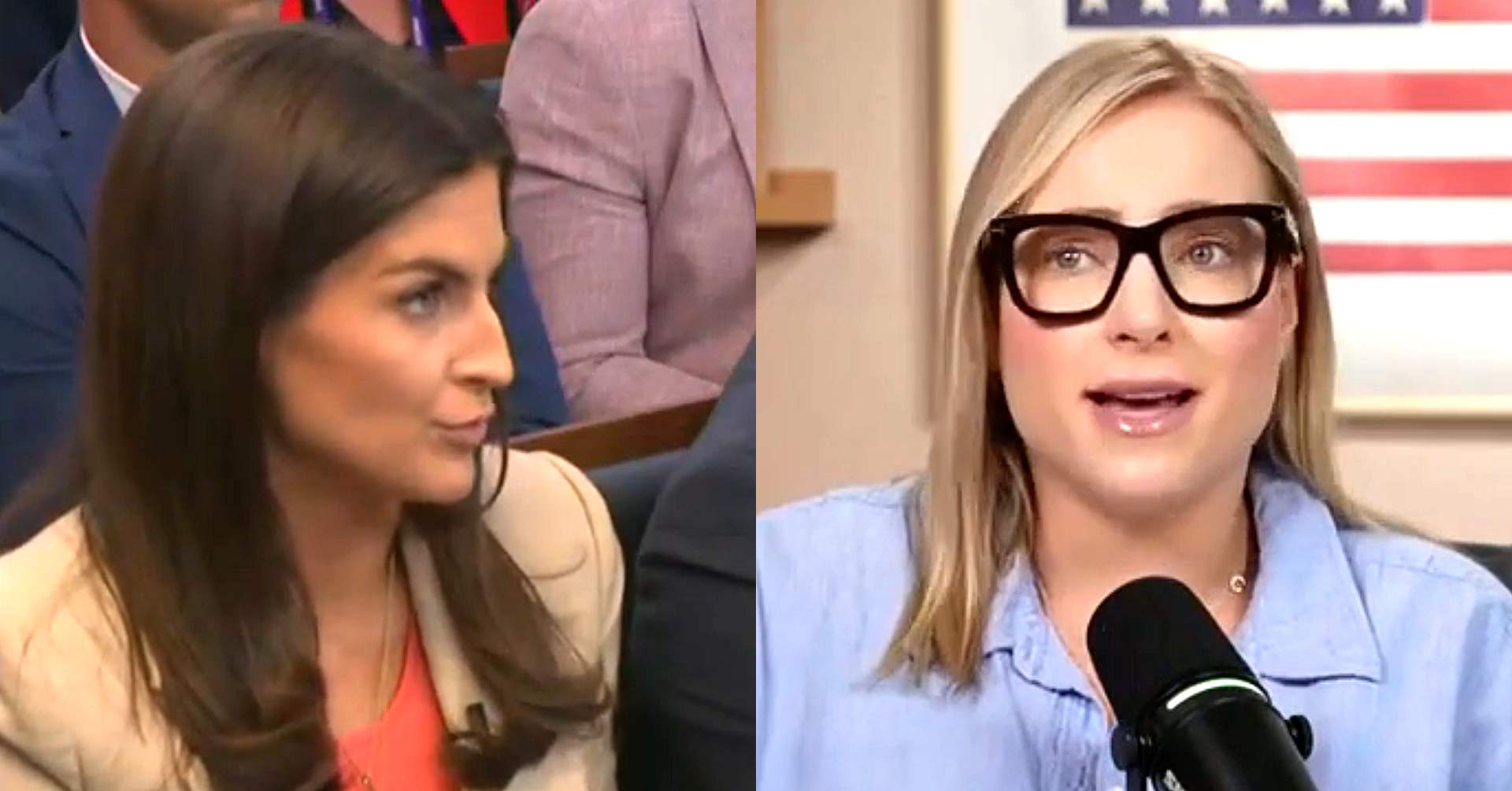
A Controversial Exchange at the White House Press Briefing
During a recent White House press briefing, a heated exchange unfolded between CNN’s Chief White House correspondent Kaitlan Collins and officials from the administration. The discussion centered around a document dump released by Director of National Intelligence Tulsi Gabbard, which aimed to support former President Donald Trump's baseless claims of "treason" against former President Barack Obama and his top officials.
Gabbard, who served as the opening act for White House Press Secretary Karoline Leavitt, presented the documents as evidence of what she described as significant intelligence findings. However, the presentation did not go unchallenged. Collins, known for her rigorous questioning, pressed Gabbard with two pointed questions, one of which questioned the timing of the document release and whether it was an attempt to bolster Gabbard’s standing with the current president after he had previously criticized her intelligence assessments.
Leavitt responded defensively to Collins’ question, but the journalist remained steadfast in her inquiry. This exchange drew sharp criticism from Meghan McCain, a prominent podcast host and former critic of Gabbard. McCain, who had once considered Gabbard an apologist for a dictator, now viewed her as a close friend. Despite this shift, McCain took issue with Collins’ approach, calling her an “absolute imbecile” and a “pure partisan hack.”
McCain’s public condemnation included a call for the White House to revoke Collins’ credentials, suggesting that she lacked respect for the officials present and their efforts to expose lies and corruption. The incident sparked widespread debate over journalistic ethics, the role of the press in holding power accountable, and the political dynamics within the administration.
The Full Exchange
Kaitlan Collins began the exchange by addressing Gabbard directly, referencing past intelligence reports and the 2017 Senate Intelligence Committee report signed off by Republican members, including then-acting chair Marco Rubio. She asked whether Gabbard believed Rubio was wrong in his statement about the lack of evidence of Russian collusion, and whether the timing of the document release was motivated by a desire to improve Gabbard’s standing with the president.
Gabbard corrected Collins on a technical point, clarifying the distinction between the Senate Intelligence Committee and the Office of the Director of National Intelligence. She emphasized that the declassified evidence was irrefutable and directed Leavitt to address Rubio’s comments.
Leavitt responded by defending the administration’s position, highlighting the troubling actions taken by the FBI under Comey and the reliance on the Steele dossier. She also dismissed the notion that Gabbard’s document release was an attempt to gain favor with the president, accusing critics of sowing distrust among the administration.
Collins then cited the president’s public criticism of Gabbard, stating that he had told her she didn’t know what she was talking about during a trip on Air Force One. Leavitt refuted this claim, asserting that the president has full confidence in Gabbard and all members of his cabinet.
Broader Implications
The exchange highlighted the tensions between journalists and government officials, particularly in the context of political reporting. It also raised questions about the credibility of intelligence assessments and the role of the media in scrutinizing such information. As the debate continues, the incident serves as a reminder of the complex relationship between the press and those in power, and the challenges faced by reporters in navigating these dynamics.

Post a Comment for "Meghan McCain Demands Harsh Punishment for Kaitlan Collins' Reporting Crimes"
Post a Comment