Meal Deal Linked to Higher Lung Cancer Risk, Study Says
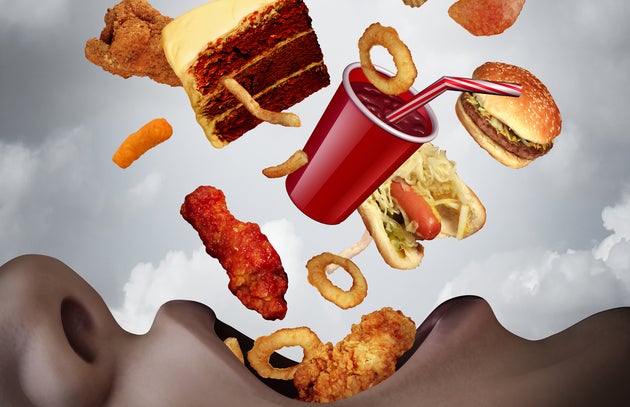
Understanding Ultra-Processed Foods and Their Health Impacts
Ultra-processed food (UPF) has been increasingly linked to a wide range of negative health outcomes, including an elevated risk of type 2 diabetes, heart disease, and even early death. Now, a new study adds another concern: the potential link between high UPF consumption and an increased risk of lung cancer. This development raises important questions about what these foods are, how they affect our bodies, and what we can do to mitigate their risks.
Lung cancer is one of the most common cancers globally and ranks as the third most prevalent in the UK, with approximately 49,000 new cases diagnosed each year. While smoking remains the primary cause of lung cancer, researchers are exploring other factors that may contribute to its development. Previous studies have already found a significant association between UPF intake and several types of cancer, such as colorectal, breast, and pancreatic cancer. The latest research expands this conversation to include lung cancer.
What Are Ultra-Processed Foods?
Ultra-processed foods typically go through multiple stages of processing and often contain a long list of additives, preservatives, and artificial ingredients. These foods are usually ready-to-eat or require minimal preparation. Examples include processed meats like ham, mass-produced bread, cereals, crisps, and biscuits. In the UK, it's estimated that more than half of the daily diet consists of ultra-processed foods. However, not all of these items are inherently harmful—some, like plain yogurt and high-fibre cereals, can be part of a balanced diet.
Despite this, there is a growing body of evidence suggesting that diets high in UPFs are associated with adverse health outcomes. The Food Standards Agency (FSA) notes that while the exact mechanisms are not fully understood, it is likely that the high levels of calories, saturated fat, salt, and sugar in many UPFs play a role in these negative effects.
The New Study on Lung Cancer and UPF
A recent study analyzed data from the Prostate, Lung, Colorectal and Ovarian (PLCO) Cancer Screening Trials, which involved over 155,000 participants aged 55 to 74. Researchers tracked cancer diagnoses until the end of 2009 and cancer deaths until 2018. A subset of 101,732 participants who completed a dietary questionnaire were included in the analysis. Foods were categorized into four groups: unprocessed or minimally processed, processed with culinary ingredients, processed, and ultra-processed.
The study found that the three most commonly consumed UPFs were lunch meat, diet or caffeinated soft drinks, and decaffeinated soft drinks. Over 12 years, 1,706 new cases of lung cancer were diagnosed, including 1,473 cases of non-small cell lung cancer and 233 cases of small cell lung cancer.
After adjusting for factors such as smoking and overall diet quality, the researchers discovered that individuals with high UPF intake were 41% more likely to be diagnosed with lung cancer compared to those with the lowest UPF consumption. Specifically, they were 37% more likely to develop non-small cell lung cancer and 44% more likely to develop small cell lung cancer. The findings were published in the journal Thorax.
Limitations and Expert Perspectives
While the study provides valuable insights, it is observational, meaning it cannot establish a direct cause-and-effect relationship between UPF consumption and lung cancer. Additionally, the study did not account for the intensity of smoking, which is a major risk factor for lung cancer. Dietary information was also collected only once, making it difficult to track changes over time.
Experts like Professor Sam Hare, a consultant chest radiologist, emphasize the need for further research to explore whether other factors besides smoking could contribute to lung cancer. He also points out that dietary habits can change significantly over long-term studies, complicating the interpretation of results.
Professor Tom Sanders, a nutrition expert at King’s College London, highlights the complex interplay between unhealthy diets, smoking, and socioeconomic status. He notes that there is currently no clear biological mechanism explaining how UPFs might directly increase lung cancer risk.
Should You Reduce Your UPF Intake?
The study suggests that limiting UPF consumption may help reduce the global burden of lung cancer. However, cutting out all ultra-processed foods entirely can be challenging, especially given their affordability and convenience. Instead of focusing on elimination, experts recommend balancing your diet with minimally processed foods, such as fruits, vegetables, and whole grains.
The British Heart Foundation advises incorporating more fresh produce and drinking water instead of sugary beverages. Adding these elements to your diet can support overall health and potentially lower cancer risk.
In conclusion, while the link between UPF and lung cancer is still being explored, the broader evidence suggests that reducing ultra-processed food intake can have positive impacts on health. Making informed choices about what you eat is a crucial step toward better well-being.

Post a Comment for "Meal Deal Linked to Higher Lung Cancer Risk, Study Says"
Post a Comment