Mayor Johnson Considers Corporate and Social Media Taxes to Balance Chicago Budget
Chicago Faces a Major Budget Challenge
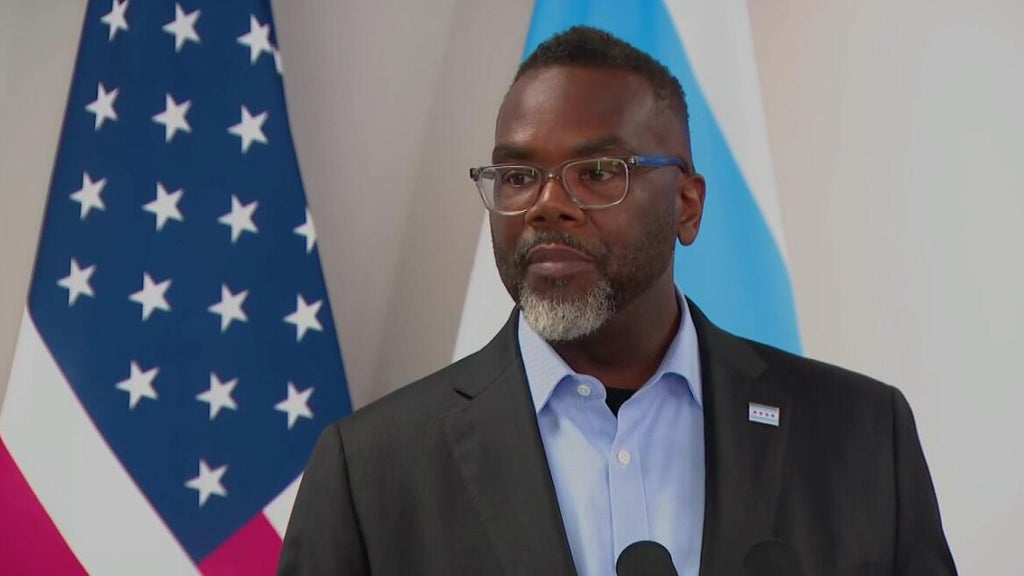
Chicago is facing a significant financial hurdle as it prepares for the 2026 budget year. The city has a $1.1 billion budget gap that needs to be filled, and Mayor Brandon Johnson is exploring innovative ways to generate additional revenue without resorting to a property tax hike. This approach comes after the City Council unanimously rejected a proposed property tax increase for 2025.
Johnson emphasized that "everything has to be on the table" when considering new revenue sources. His focus is on leveraging the wealth of Chicago's affluent residents, including the 127,000 millionaires and 25 billionaires who reside in the city. He believes that tapping into these resources will help maintain the positive trend of declining violence and support continued investments in public safety.
Addressing Concerns About Wealthy Residents Leaving
Some worry that increasing taxes on the wealthy might prompt them to move out of Chicago. However, Johnson is confident that this won't happen. He stated, "they're not leaving Chicago," and argued that the notion of scaring away millionaires is unfounded. According to him, the wealthiest residents are more concerned with community safety than taxes. As violence continues to decline, he believes this creates an environment conducive to economic growth.
The number of millionaires in Chicago has increased by 24% in recent years, highlighting the potential for new revenue sources from this group.
Reinstating the Corporate Head Tax
As budget season approaches, Johnson is considering reinstating Chicago’s corporate head tax. This tax, which was in place from 1973 to 2014, required companies with over 50 Chicago-based employees to pay $4 per employee per month. In its final year under Mayor Rahm Emanuel, the tax generated $35 million. However, Emanuel phased it out starting in 2012, citing concerns about its impact on jobs.
Johnson sees this as an opportunity to implement progressive measures that can support the city’s ongoing efforts. However, some critics argue that reinstating the head tax could send a negative message to employers. Samantha Breslow, an attorney specializing in Chicago's corporate tax structure, warned that such a move could encourage companies to relocate their employees outside the city.
Exploring New Revenue Streams
In addition to the corporate head tax, Johnson is also considering a new tax on social media advertising. He pointed out that companies have made billions from the digital industry, and this form of free advertisement occurs consistently. This idea has been on his radar since 2018.
Chicago would not be the first to attempt taxing social media advertising. However, Breslow cautioned that implementing such a tax could face legal challenges and may not yield significant results. She suggested that the city should instead focus on generating more tax revenue through sales and service receipts.
Expanding the city’s sales tax to include services would require approval from the Illinois General Assembly and Governor JB Pritzker.
Assessing Progressive Revenue Options
Johnson has established working groups to evaluate various forms of "progressive revenue" and determine which options should move forward. These groups are assessing a range of potential tax initiatives, including those targeting the wealthy and new industries.
Taxpayers will learn which of these proposals might be included in the 2026 budget plan when the mayor presents his budget address this fall. The City Council will then have the final say on whether these measures are approved.

Post a Comment for "Mayor Johnson Considers Corporate and Social Media Taxes to Balance Chicago Budget"
Post a Comment