Maxwell Demands Trump's Help to Expose Secrets to Congress
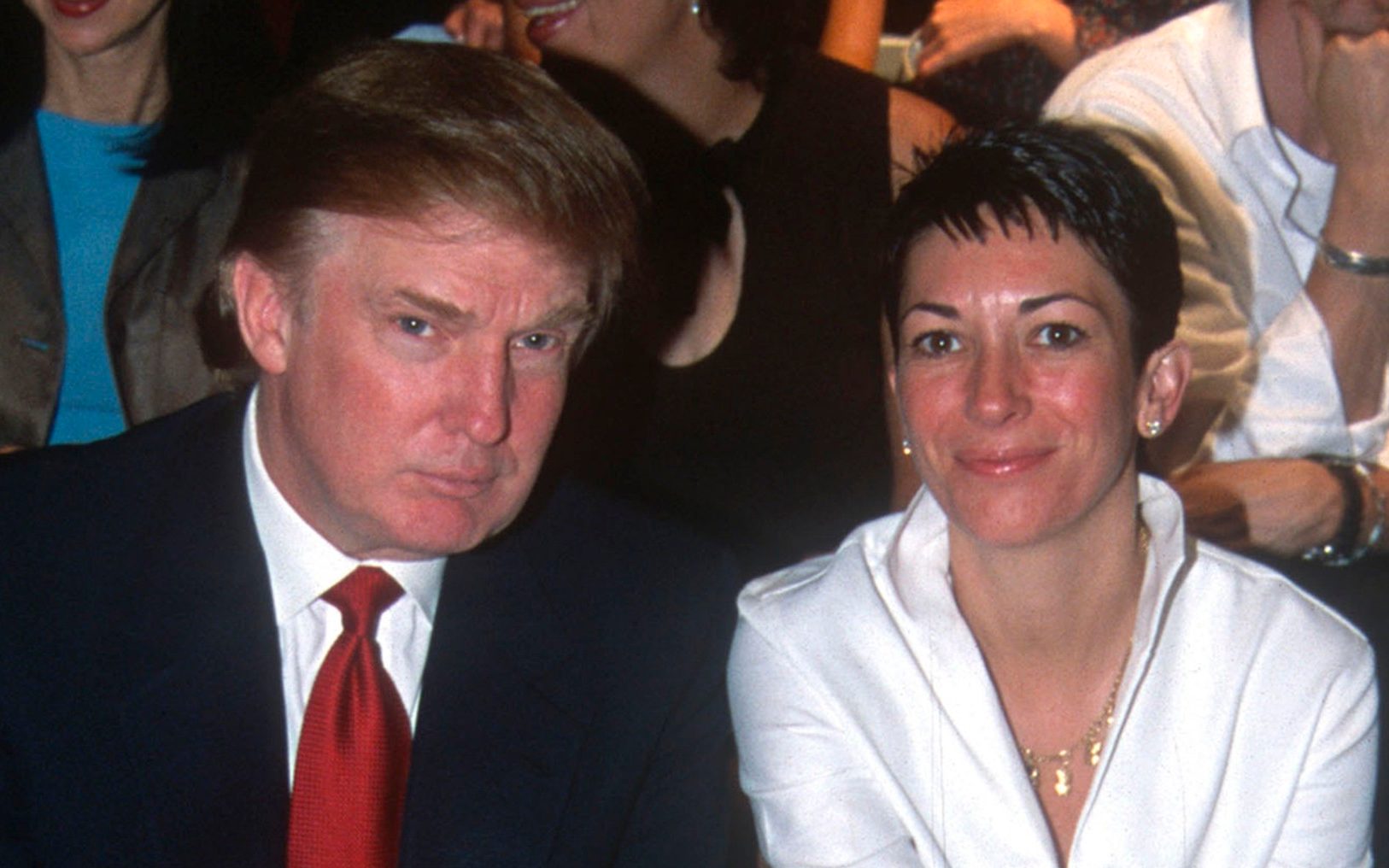
Ghislaine Maxwell's Potential Testimony and the Political Implications
Ghislaine Maxwell, a woman known for her association with the late financier Jeffrey Epstein, has expressed a willingness to testify before Congress if certain conditions are met. Specifically, she has indicated that she would be open to appearing before the House Oversight Committee, provided that she receives legal immunity for any future convictions and is given advance notice of the questions she will face. This statement comes as part of a broader effort by her legal team to navigate the complex legal and political landscape surrounding her case.
Maxwell’s lawyers have agreed to her appearance before the committee, but only under specific circumstances. They have requested that the questions posed to her be shared in advance, allowing her to prepare adequately for the deposition. Additionally, they have emphasized the need for a "fair and safe path forward" to avoid further criminal exposure in what they describe as a politically charged environment.
The legal team has also raised the possibility that Maxwell could testify freely and openly if President Donald Trump grants her clemency. This condition has sparked significant interest and speculation, especially given the ongoing legal battles and public scrutiny surrounding her case.
The Legal and Political Context
Maxwell was recently subpoenaed to appear before Congress regarding her late boyfriend, Jeffrey Epstein, who was convicted of sex trafficking underage girls. Her testimony would have been required in the coming months regardless of the current situation. However, her legal team initially considered invoking her Fifth Amendment rights to avoid testifying at this time.
In a letter addressed to James Comer, the chairman of the House Oversight Committee, David Oscar Markus, Maxwell’s attorney, explained that after further reflection, his client is open to cooperating with Congress if the necessary safeguards are in place. He stressed that without formal immunity, Maxwell cannot risk further legal exposure in an environment that he describes as politically charged.
Markus has also urged the Supreme Court to review Maxwell’s 2021 conviction on sex trafficking charges. His argument centers on a non-prosecution agreement from 2008 involving Epstein, which he claims should have prevented her subsequent prosecution. This legal maneuver highlights the complexities of federal cases and the potential implications of plea agreements.
The Legacy of Jeffrey Epstein
Jeffrey Epstein’s death in 2019 while in custody awaiting trial on sex-trafficking charges has left a lasting impact on the legal and political landscape. His case has continued to generate controversy, particularly among supporters of former President Donald Trump, who had promised to release any outstanding evidence related to the case.
Many believed that the investigation into Epstein would reveal connections to senior Democrats and other powerful individuals involved in a child sex trafficking ring. However, recent developments, such as the Department of Justice’s announcement that there is no client list and the FBI’s recommendation against further material release, have led to frustration among some groups.
Trump, who was one of Epstein’s many high-profile associates, has stated that he ended contact with Epstein 20 years ago. Despite this, reports of his association with Epstein have persisted, including a controversial note from Trump to Epstein for his 50th birthday, which the president denied and claimed to be suing over.
The Role of Clemency and Public Reaction
Recent interviews, including one conducted by Todd Blanche, the deputy attorney general and former private lawyer for Trump, have added another layer of complexity to the situation. These interviews have fueled speculation about the possibility of a pardon for Maxwell, a move that has drawn criticism from some of Epstein’s victims.
When asked about the potential for a pardon, Trump acknowledged that he has the authority to grant one but noted that no one has formally requested it. He emphasized that discussing the matter publicly would be inappropriate at this time.
The ongoing legal and political discussions surrounding Maxwell and Epstein continue to capture public attention, highlighting the intersection of law, politics, and personal accountability in high-profile cases.

Post a Comment for "Maxwell Demands Trump's Help to Expose Secrets to Congress"
Post a Comment