Mary Sheffield and Solomon Kinloch Vie for Detroit Mayor in General Election
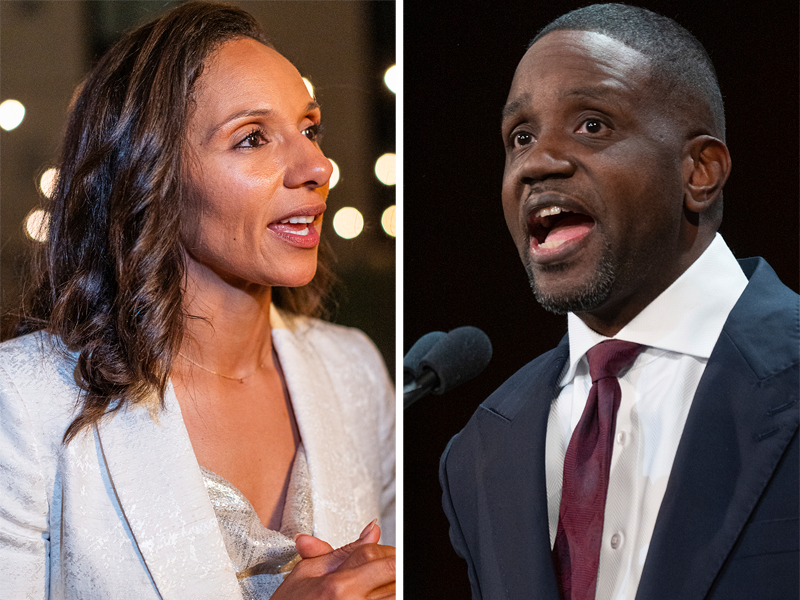
Detroit Mayor Race Heads to November Election
Detroit City Council President Mary Sheffield and the Rev. Solomon Kinloch have advanced to the November general election in the race to replace outgoing Mayor Mike Duggan. The two candidates will now compete for the opportunity to lead the city, with the final decision coming in the upcoming months.
In the August 5 primary, Kinloch narrowly defeated former THAW CEO Saunteel Jenkins, securing his place in the general election. According to unofficial vote results, Sheffield received approximately 51% of the vote, Kinloch earned 17%, and Jenkins secured 16%. The results reflect a competitive race that saw multiple candidates vying for the top two spots.
At a victory party held at the Cielo Rooftop on the Cambria Hotel in downtown Detroit, Sheffield expressed her gratitude and emotion as she addressed a large crowd. She was joined by her grandmother and TV judge Greg Mathis, and spoke about the support she received from residents across the city. "Every day I was in the street, and they were saying 'We got you Mary.' And guess what? I got you," she said. She emphasized that the victory was not just hers but belonged to the entire community.
Kinloch, who also celebrated his win, took to social media to share the news. "We are headed to the general election," he wrote in a post published around 1 a.m. on August 6. He highlighted the importance of the election, stating, "Detroit is not just choosing a mayor. We are choosing a direction."
The primary race featured nine candidates, including City Councilman Fred Durhal III, former Detroit Police Chief James Craig, attorney Todd Perkins, businessman Joel Haashiim, entrepreneur John Barlow, and DaNetta Simpson. Jenkins, who conceded the race early in the morning, acknowledged the efforts of all the candidates and focused on the future of the city. "This isn’t just about our campaign, it’s about our city’s future," she said in an emailed statement.
Voter turnout in Detroit was projected to be up to 18%, with nearly 86,000 residents casting their ballots. Most of these voters cast their ballots through absentee or early voting. Sheffield emphasized the importance of experience and leadership, stating that she would focus on affordable housing, public transit, and continued population growth. She also pledged to address the disparities between the prosperous downtown area and the struggling neighborhoods.
Kinloch, on the other hand, criticized the current political landscape and suggested that his opponents were trying to undermine his campaign. Reports of a domestic violence conviction from 30 years ago surfaced against him in late July, which he attributed to strategic timing. He admitted to making a mistake in his youth and stated that the incident had been resolved.
Both candidates faced challenges in their campaigns, with Sheffield benefiting from her position as a City Council member and Kinloch drawing on his strong following through his church. Jenkins, who made thousands of calls and knocked on doors during the final days of the campaign, expressed her admiration for the city and its people.
As the race moves forward, both Sheffield and Kinloch will continue to engage with voters and build support for their respective platforms. Their campaigns highlight the importance of leadership, community involvement, and the need for meaningful change in Detroit.
Sheffield's focus on practical governance and Kinloch's emphasis on community-driven leadership represent two distinct visions for the city's future. As the November election approaches, voters will have the opportunity to choose the direction they believe Detroit should take.

Post a Comment for "Mary Sheffield and Solomon Kinloch Vie for Detroit Mayor in General Election"
Post a Comment