Markwayne Mullin Advises Scott Jennings on GOP Strategies to Beat Democratic Blockade on Trump Nominations
Senate Republicans Consider Canceling August Recess to Confirm Trump Nominees
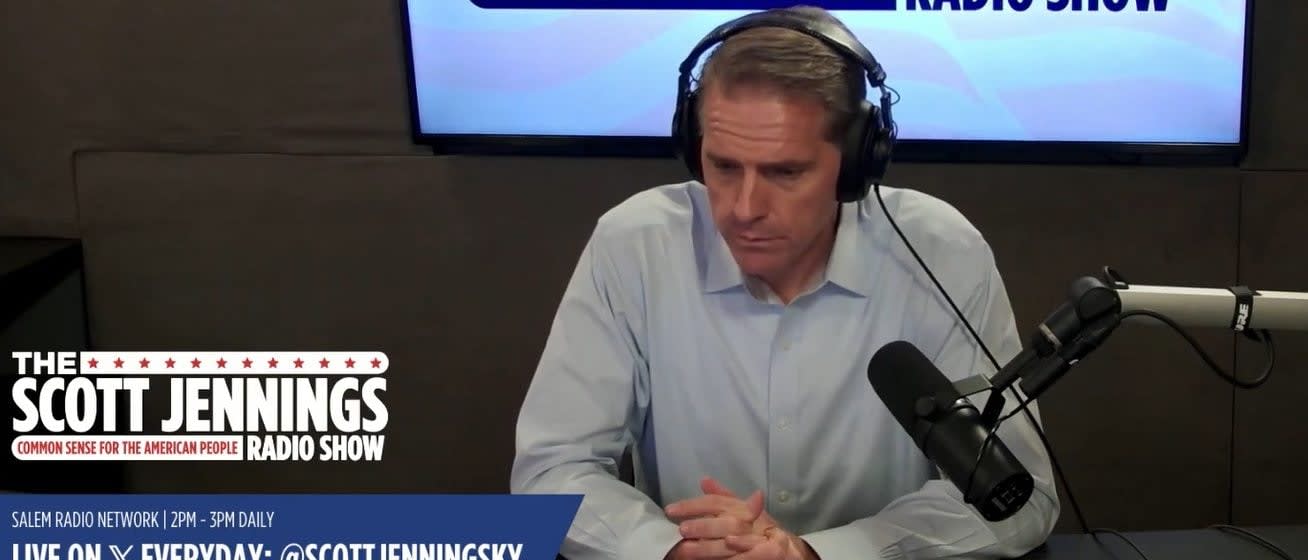
Republican Senator Markwayne Mullin of Oklahoma recently discussed the possibility of canceling or shortening the August recess with Salem radio talk show host Scott Jennings. Mullin emphasized that while the idea is not off the table, it remains a complex and challenging decision.
Mullin stated that Senate Republicans have been working diligently to confirm President Donald Trump’s nominees, but they face significant opposition from Senate Democrats. According to reports, no Trump nominee has been confirmed through a voice vote or unanimous consent during his second term. This level of obstruction has led to frustration among Republican lawmakers.
During the conversation, Mullin shared some statistics about the number of nominees who have faced filibusters. He explained that in 2017, only 55 confirmations were made for President Trump, compared to 110 as of the time of the interview. This increase highlights the efforts being made by Republicans to push through appointments despite Democratic resistance.
Mullin also noted that this situation is unprecedented in U.S. history. President Trump is the first president whose nominees have all been filibustered, except for the very first one, Marco Rubio. This unique challenge has forced Republicans to explore alternative methods to complete their confirmation process.
Strategies to Address the Logjam
Mullin outlined three potential strategies to break the deadlock. The first option involves reaching a bipartisan agreement on nonpartisan nominees that have already passed through committees. If such an agreement can be reached, these nominees could be confirmed before the recess.
The second option is to extend the session and avoid a recess altogether. This would allow more time for Republicans to work on confirming nominees without the interruption of a break. However, this approach requires all Republican senators to remain present, which poses logistical challenges.
The third option involves a forced recess, where the president calls Congress into recess. While this method could clear the slate for all remaining nominees, it comes with its own set of complications. Mullin admitted that this process might seem “wonky” to some, but it is a viable option.
One major drawback of a forced recess is that nominees would not receive pay during this period. They would only be nominated until the end of the current Congress and would not be eligible for security clearances. Although not ideal, this option provides a way to move forward if other methods fail.
The Role of Senate Minority Leader Chuck Schumer
Senate Minority Leader Chuck Schumer has faced criticism from left-wing media figures and some Democrats over his decision to support a GOP-backed spending bill to prevent a government shutdown in March. This move has sparked debate within the Democratic party, with some questioning the rationale behind supporting Republican initiatives.
Mullin pointed out that Republicans have had to secure cloture on over 100 nominees, highlighting the difficulty of the confirmation process. He also referenced remarks made by Senate Majority Leader John Thune, who previously warned that Democrats had chosen the “hard way” of obstructing appointments. As a result, Republicans have had to take more votes than any Senate in 35 years and have remained in session longer than any Senate in 15 years.
Historical Context and Future Outlook
Mullin noted that non-controversial nominees were often confirmed through voice votes or unanimous consent before Schumer became the leader of the Senate Democrats. This shift in strategy has contributed to the current impasse.
As the August recess approaches, Republicans are weighing their options carefully. The decision to cancel or shorten the recess could have significant implications for the confirmation process and the overall functioning of the Senate. With the stakes high, the outcome of these discussions will be closely watched by both parties and the public.

Post a Comment for "Markwayne Mullin Advises Scott Jennings on GOP Strategies to Beat Democratic Blockade on Trump Nominations"
Post a Comment