Marco Rubio's Flawed Defense of Trump's Putin Meeting
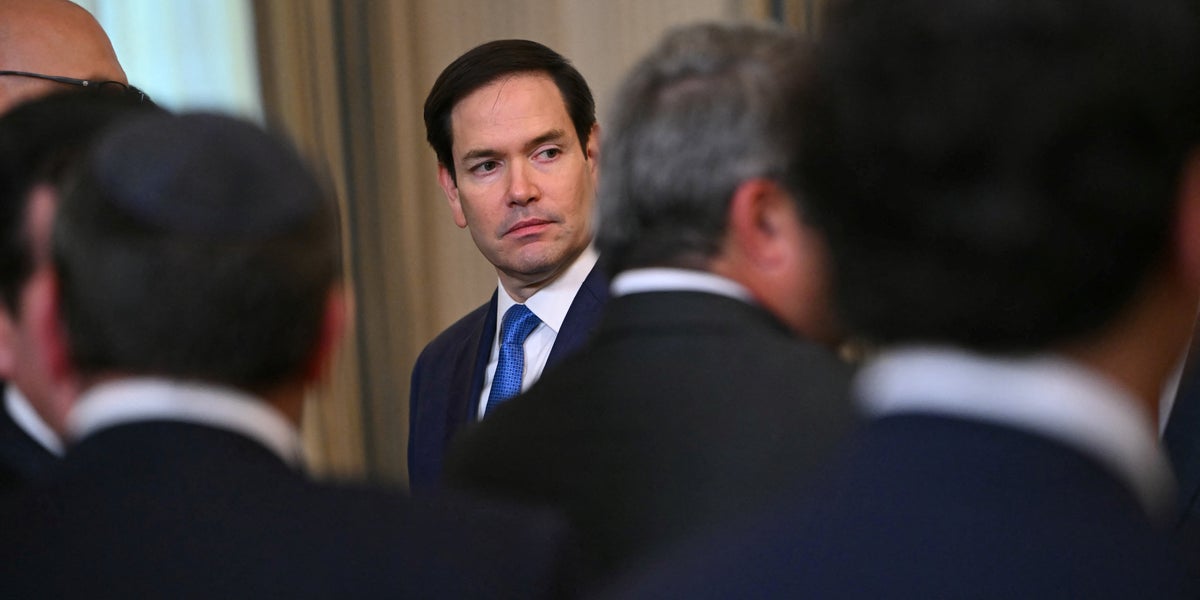
Marco Rubio Defends Trump-Putin Summit Amid Calls for Transparency
During multiple press interviews on Sunday, Secretary of State Marco Rubio highlighted what he described as progress from President Donald Trump’s summit with Russian President Vladimir Putin. However, his statements lacked specific details to substantiate the claims, raising questions about the actual outcomes of the meeting.
Rubio made appearances on NBC’s “Meet the Press” and ABC’s “This Week,” where he emphasized the potential for future agreements but avoided providing concrete examples of any breakthroughs. He did not name any penalties that Putin might face for not agreeing to a ceasefire in Russia’s war with Ukraine, despite earlier comments from Trump suggesting there would be “consequences” if no deal was reached.
In response to questions about the U.S. demands from Russia in a potential peace accord, Rubio declined to provide specifics. He argued that revealing such information publicly could harm ongoing negotiations. When pressed by ABC’s Martha Raddatz, Rubio snapped, “I wouldn’t name them on your program. Why would I do that?” He reiterated this stance in an interview with NBC’s Kristen Welker, stating, “I’m not going to disclose those things.”
These media appearances followed Trump’s summit with Putin in Alaska, which has drawn criticism from Democrats. The event has been labeled an “embarrassment” by some, with critics arguing that it gave Putin a platform without yielding significant results. Senator Chris Murphy (D-Conn.) and other Democratic lawmakers noted that Putin left the meeting with a photo opportunity and a high-profile gathering in the U.S., while making no major commitments.
A State Department spokesperson did not immediately respond to requests for comment on the matter.
Rubio maintained that some progress had been made during the summit, though he provided few details. He mentioned that both sides identified “potential areas of agreement,” but emphasized that there were still “big areas of disagreement.” On ABC, he stated, “We’re not at the precipice of a peace agreement. We’re not at the edge of one.”
He also suggested that imposing additional sanctions on Russia could derail peace talks, even though Trump had previously threatened more repercussions if a ceasefire wasn’t achieved. “I don’t think new sanctions on Russia are going to force him to accept the ceasefire,” Rubio said during his NBC appearance. “The minute he takes those steps, all talks stop.”
Rubio indicated that any agreement would need to address long-term security for Ukraine and define the borders between Russia and Ukraine. Steve Witkoff, Trump’s special envoy to Russia, claimed to CNN that the U.S. secured “robust security guarantees,” including the possibility of collective defense from American and European allies if Ukraine were invaded again.
When Raddatz asked, “So at this point … no sanctions, no ceasefire, and no deadlines?” Rubio responded, “Well… the deadline is as soon as possible.” He noted that Trump could consider penalties later if Putin fails to act as a reliable negotiator.
Despite the lack of clear outcomes, Rubio continued to frame the summit as a step toward resolving the conflict, even as critics question its effectiveness and transparency.

Post a Comment for "Marco Rubio's Flawed Defense of Trump's Putin Meeting"
Post a Comment